








A new year offers a natural pause and a chance to look closely at how you feel, how you move, and the habits that support your health. Many people set goals connected to strength, mobility, or returning to routines that slipped away during busy seasons. Whether you are building endurance for your favorite activity, preparing for an active winter, or hoping to maintain daily independence, strength plays a central role in how you experience life.
Physical therapists are licensed medical professionals with a deep understanding of the musculoskeletal system. They study how the body moves, how joints and soft tissues respond to stress, and how strength, balance, and coordination work together. This allows them to identify the source of discomfort or limitation and develop a safe, practical plan to help you improve.
Most people already have a familiar medical team, including a primary care provider and dentist. These important relationships support overall health, yet many individuals are missing a professional who can guide them through the physical demands of daily life. A physical therapist fills this gap by addressing movement-specific needs that influence strength, comfort, and long-term function.
While many associate physical therapy with injuries or surgical recovery, the scope of care extends far beyond those situations. Having a physical therapist you know and trust allows you to work on your goals throughout all phases of life, whether you are preventing injury, supporting an active lifestyle, or managing the natural changes that come with age.

Strength is one of the most reliable ways to protect your body from strains, falls, and overuse injuries. Weakness or imbalance can place excessive stress on joints and soft tissues, making daily activities or exercise more difficult.
Physical therapists evaluate patterns such as how you squat, step, lift, and reach. These observations help identify areas that may benefit from targeted strengthening or improved control. A structured plan can enhance your performance and reduce the likelihood of setbacks that interrupt your routine.
For individuals anticipating surgery, a period of guided strengthening and conditioning can improve mobility, stability, and overall readiness. This preparation, often called prehabilitation, may reduce recovery time and improve surgical outcomes.
In many cases, physical therapy may also delay or prevent surgery by addressing the root cause of pain. Through non-invasive techniques that support stronger, more efficient movement, therapists help patients manage symptoms and remain active while making informed decisions about their next steps.

Chronic pain affects millions of adults and can interfere with work, recreation, and quality of life. Unlike acute pain, which follows a predictable healing timeline, chronic pain may continue beyond three months and often requires a different approach.
Physical therapists use hands-on care, gradual loading, and education to help reduce symptoms and improve function. By identifying the specific movement patterns contributing to discomfort, therapists design individualized treatment plans that support steady progress. The goal is not only symptom relief but also restoring confidence in movement and daily activities.
Your physical needs and abilities change throughout life. A physical therapist remains a consistent partner who helps you adapt through each stage.
Your therapist will:
• Create a clear, practical plan that focuses on your goals and targets the source of discomfort or limitation.
• Apply current research and specialized techniques that make your progress more efficient and sustainable.
• Adjust your program over time as your abilities, responsibilities, and daily demands evolve.
Whether you are building strength for sport, household tasks, or healthy aging, a physical therapist guides you toward steady, meaningful improvements.

As you schedule your annual medical visits, consider how physical therapy fits into your broader approach to health. Strengthening your body, improving function, and addressing early signs of discomfort can change the way you move through each season. Time spent in physical therapy is an investment in your mobility, independence, and long-term well-being.
If you would like to enter 2026 with a clearer plan for strength and functional fitness, our team is ready to help you begin.


Winter in the Northeast brings conditions that challenge even the most confident mover. Cold temperatures, changing surfaces, and shorter daylight can affect balance, joint stiffness, and how your body responds to daily tasks. Instead of letting winter limit your routine, consider this season an opportunity to build strength, reinforce balance, and prepare your body for the activity you want to enjoy year-round.
Below are winter-specific tips grounded in physical therapy principles. Each highlights how controlled, intentional movement can reduce injury risk and support better function.
Balance depends on strength, joint control, vision, and the body’s ability to react to sudden changes. Winter conditions can disrupt all three. To move more confidently outdoors:
Simple balance training at home—such as single-leg stance with support or controlled heel-to-toe walking—can reinforce the neuromuscular system that keeps you steady.

Tight muscles, uneven terrain, and reduced warm-ups can place extra stress on the knees. To reduce strain:
If knee pain limits your movement, a physical therapist can assess gait, strength, and mechanics to address the source of discomfort.

Activities like skiing, skating, and snowshoeing require power, balance, and core stability. A focused strengthening routine can reduce early-season injuries. Key areas include:
A physical therapist can design a plan to prepare you for your preferred activity.
Weather changes quickly and staying consistent with activity becomes easier when you have alternatives for days spent inside. Consider:
These movements support functional strength and can be modified for all fitness levels. Physical therapists can help ensure your technique is safe and effective.
Winter tasks and cold temperatures can amplify discomfort. Instead of ignoring symptoms, seek early guidance. Identifying the source of pain helps you stay active while reducing the risk of longer-term limitations. As your partner in health, your MVPT physical therapist is just a call or click away.
Prioritize your health today by completing the form below to request your evaluation!



Snow shoveling is one of the most common winter activities that leads to preventable injuries — especially low-back strains, shoulder pain, and slips or falls. Even though it seems like a simple household chore, shoveling requires a combination of strength, mobility, balance, and proper body mechanics. When the body isn’t prepared for that sudden burst of bending, lifting, and twisting, it’s easy for small aches to turn into bigger setbacks.
This month’s exercises, provided to us by Andrew G, PT, DPT, OCS, Clinic Manager and physical therapist at our MVPT – Biddeford clinic, are designed to help you get ahead of the season by strengthening the muscles that support your back, improving hip and core stability, and practicing the movement patterns that keep you safer when the snow starts to fall. With just a few minutes of preparation each day, you can reduce your risk of injury and make shoveling feel more manageable — and much less taxing on your body.
Whether you’re clearing your driveway after the first snowfall or tackling a heavier storm, these exercises will help you move more efficiently, protect your spine, and feel more confident every time you pick up the shovel.

We’re proud to feature Andrew, Managing Partner of MVPT Biddeford, whose compassion and patient-first approach set the tone for exceptional care in the clinic. Andrew joined MVPT in 2024 after more than a decade treating patients in outpatient orthopedics, and he brings a combination of advanced skill, thoughtful communication, and genuine empathy to every session.
An Orthopedic Clinical Specialist, Certified Strength & Conditioning Specialist, and Certified Myofascial Trigger Point Therapist, Andrew blends hands-on expertise with a deep understanding of movement, anatomy, and functional performance. His patients describe him as attentive, encouraging, and uniquely gifted at helping people feel seen, supported, and confident in their recovery.
As a leader, Andrew fosters a positive, collaborative environment where his team consistently delivers outstanding outcomes. Whether he’s guiding patients through complex injuries or helping them return to the activities they love, Andrew’s dedication to personalized, high-quality care shines through in everything he does.
A brief warm-up increases circulation, wakes up your core and legs, and prepares your joints for the task ahead. Spend a few minutes practicing slow, controlled movements such as marching in place, gentle squats, or hip swings. A warm body responds more safely to the force and repetition of shoveling.
Below are Andrew’s recommended exercises to support mobility and strength in key muscle groups used during shoveling.

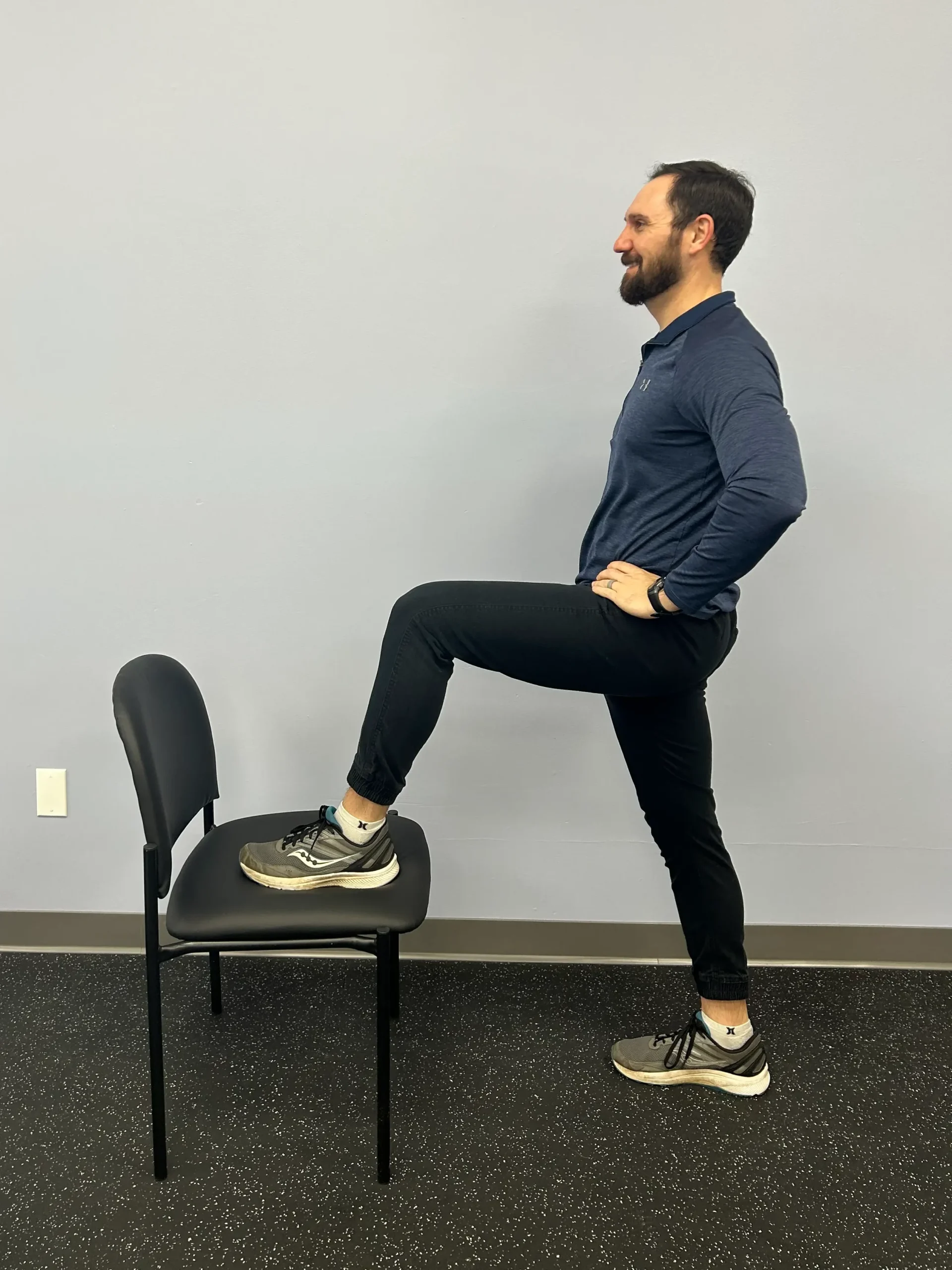
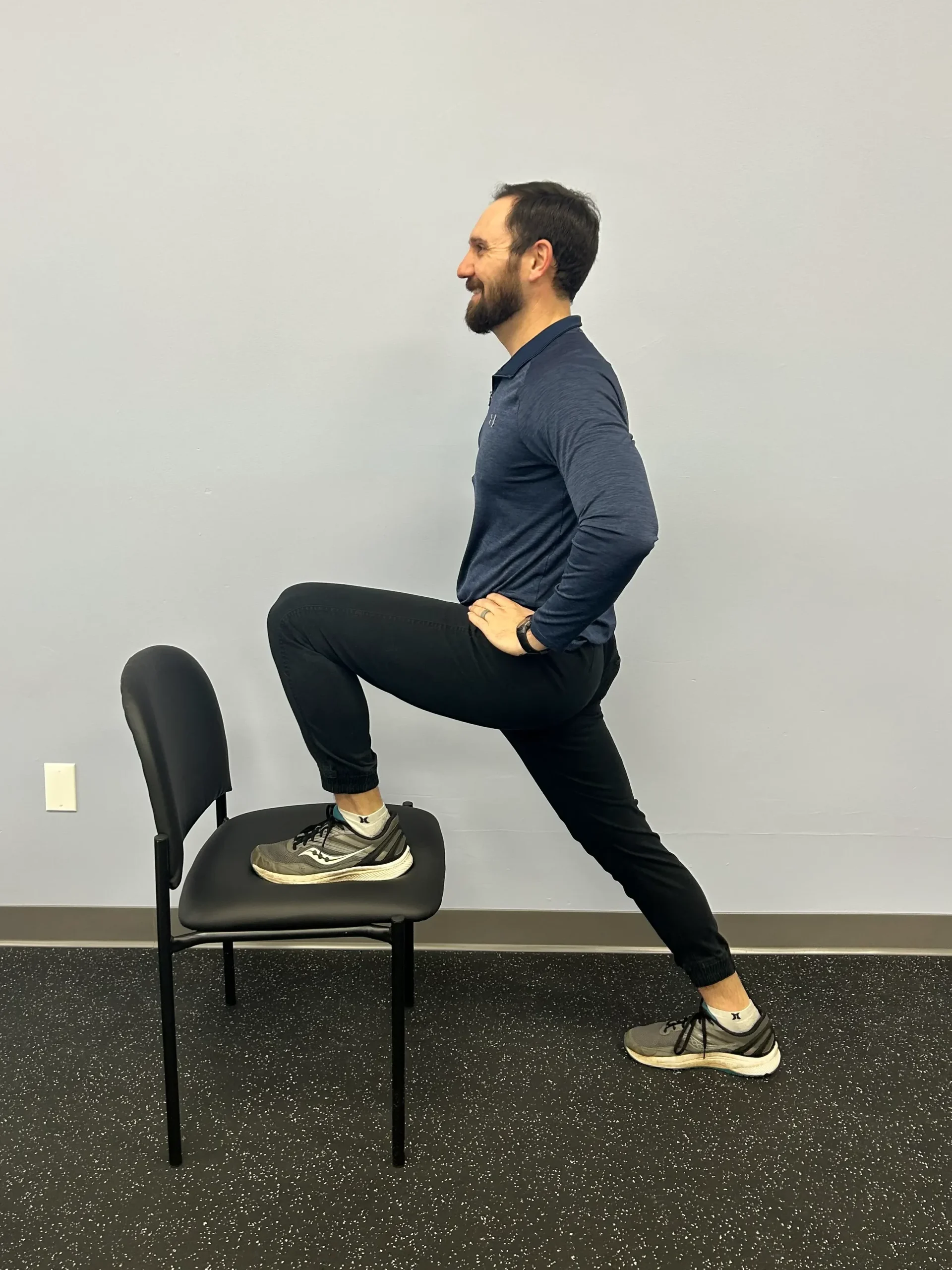
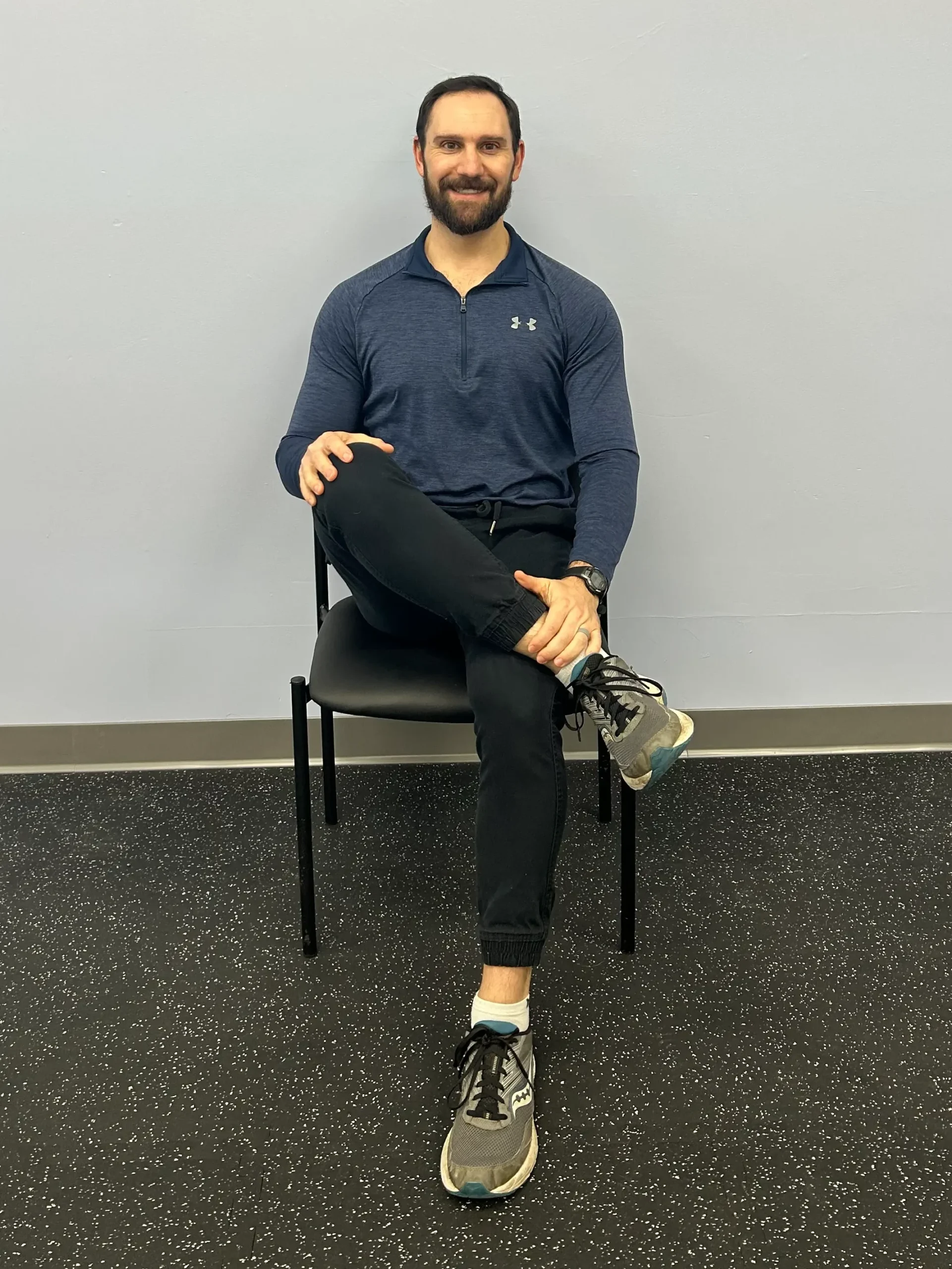
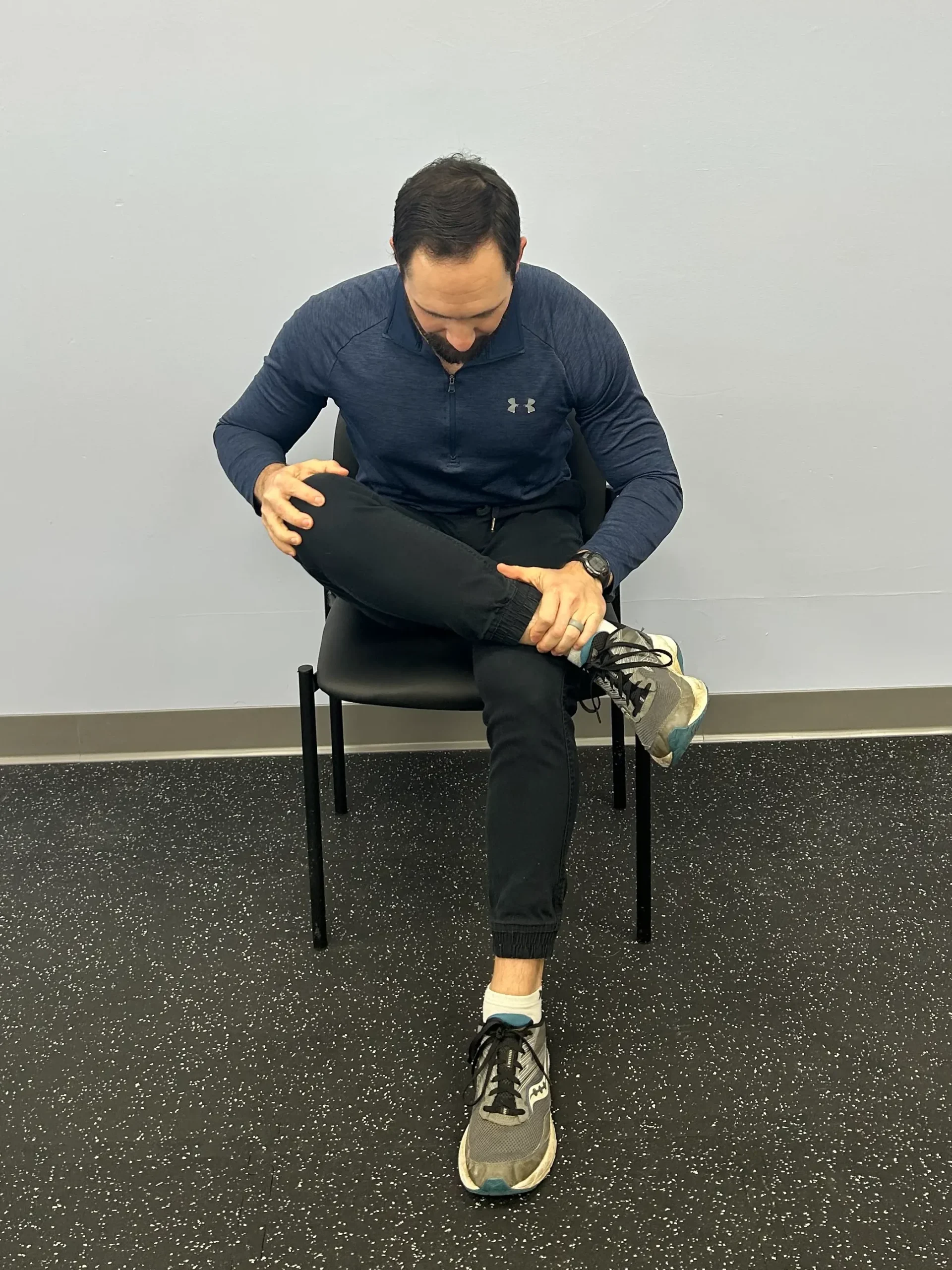
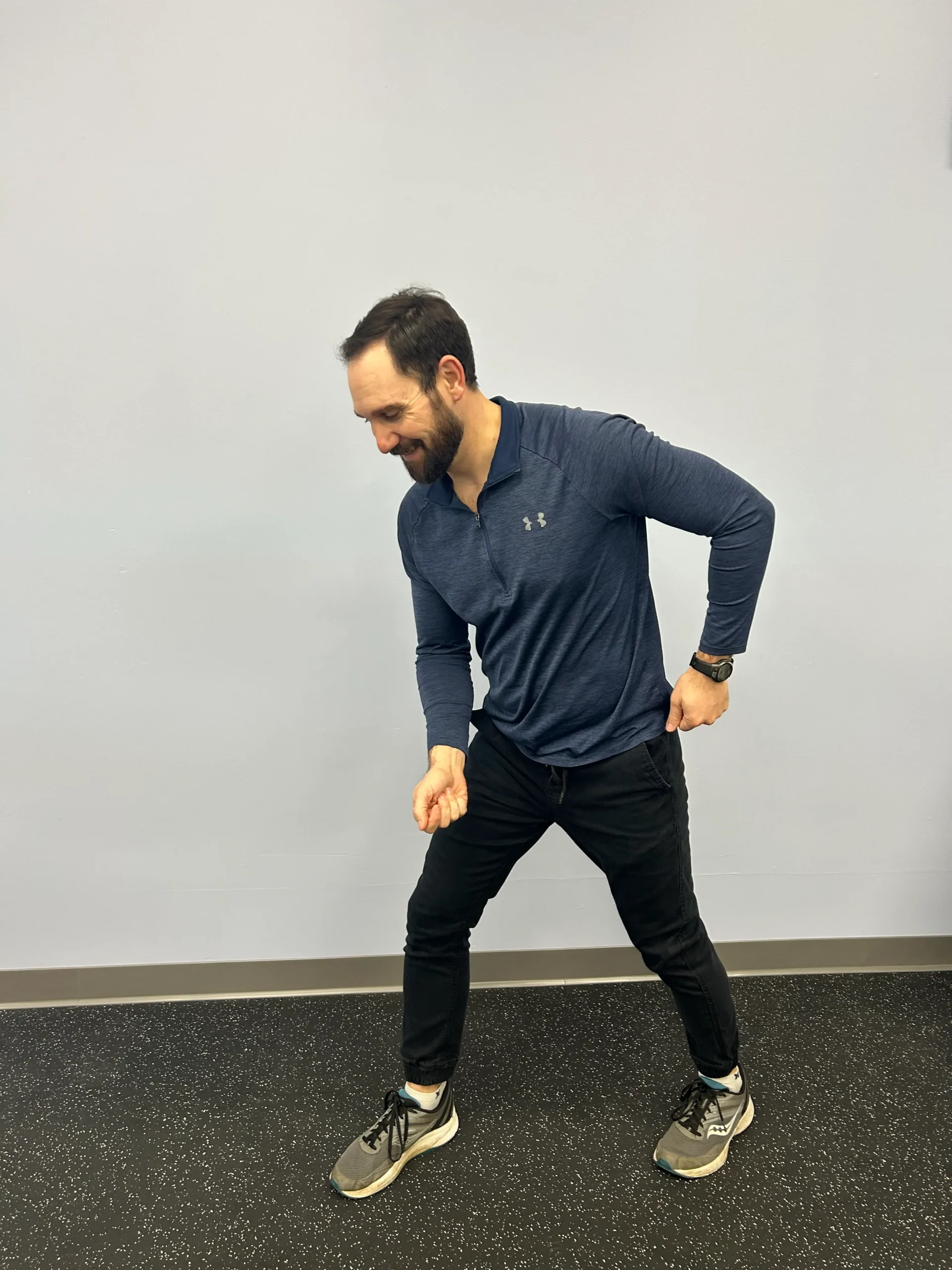
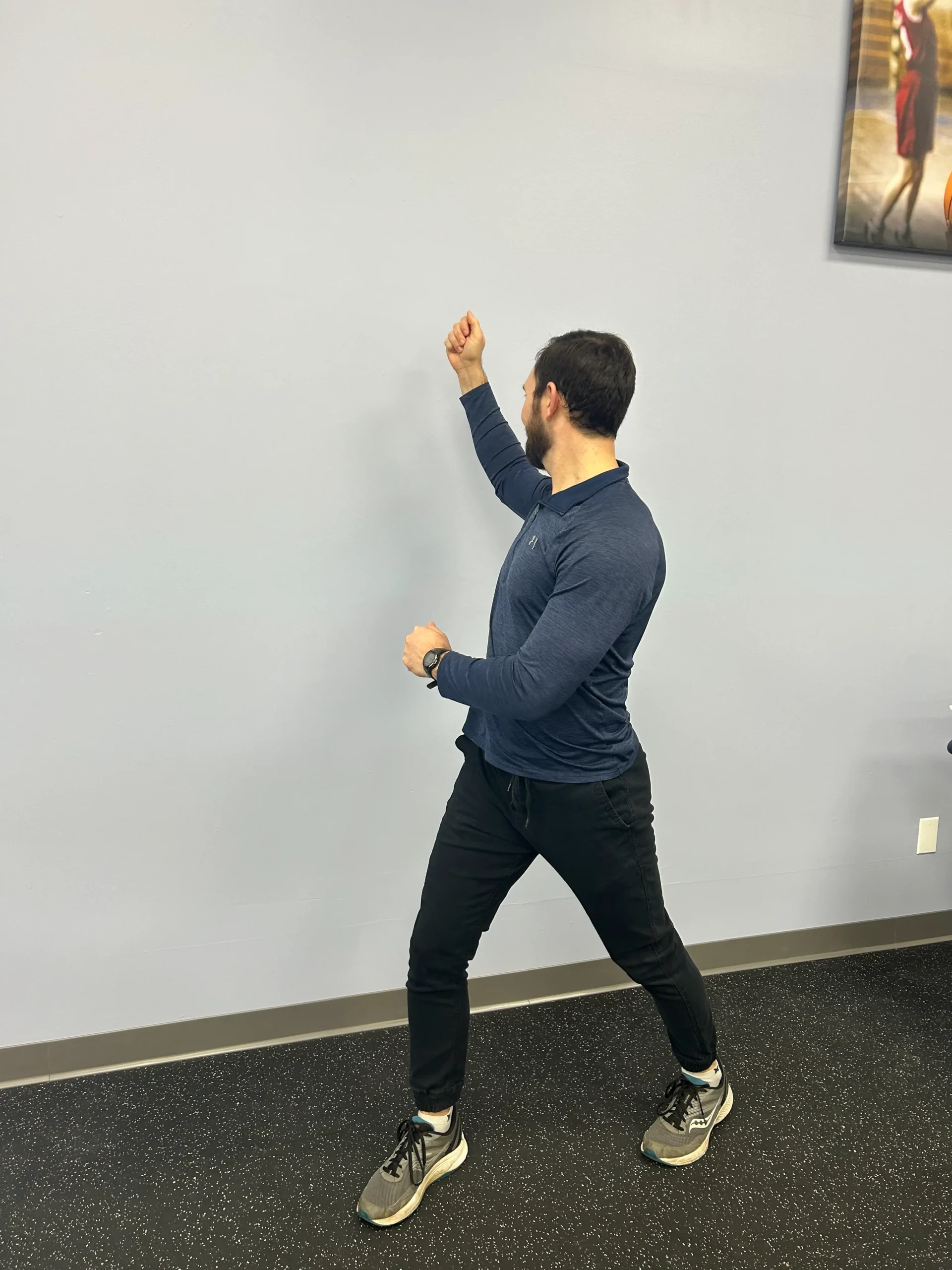
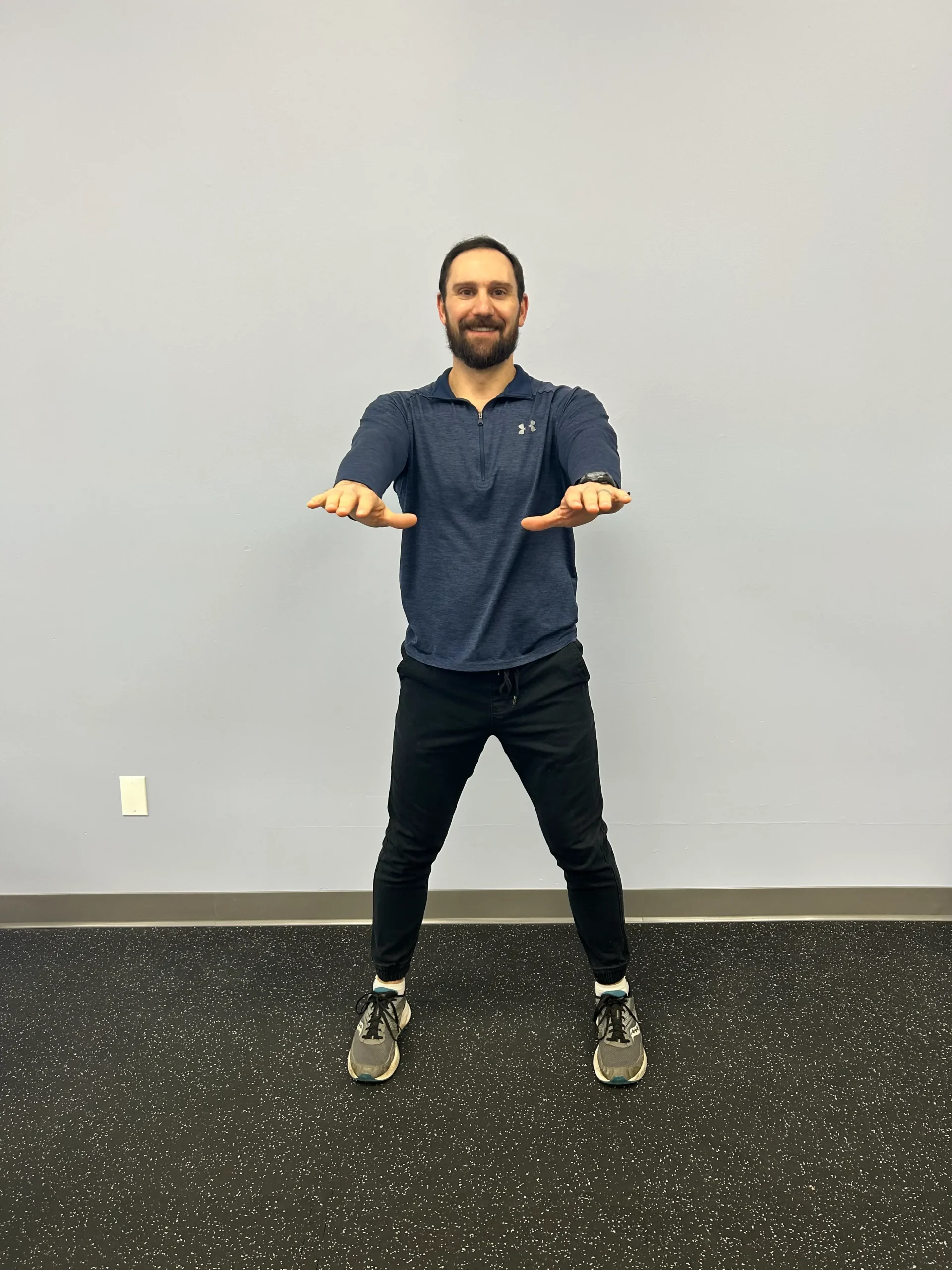
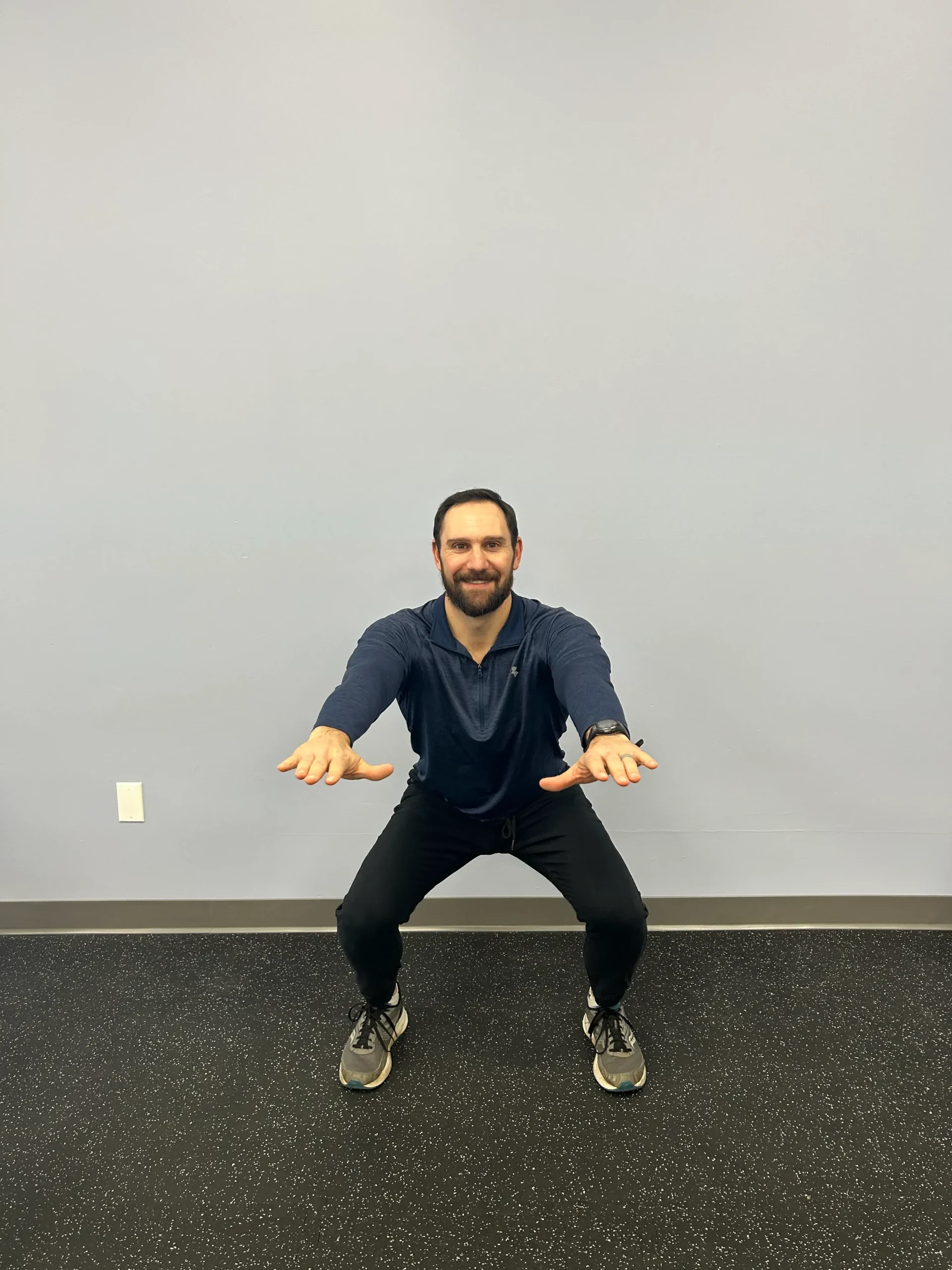
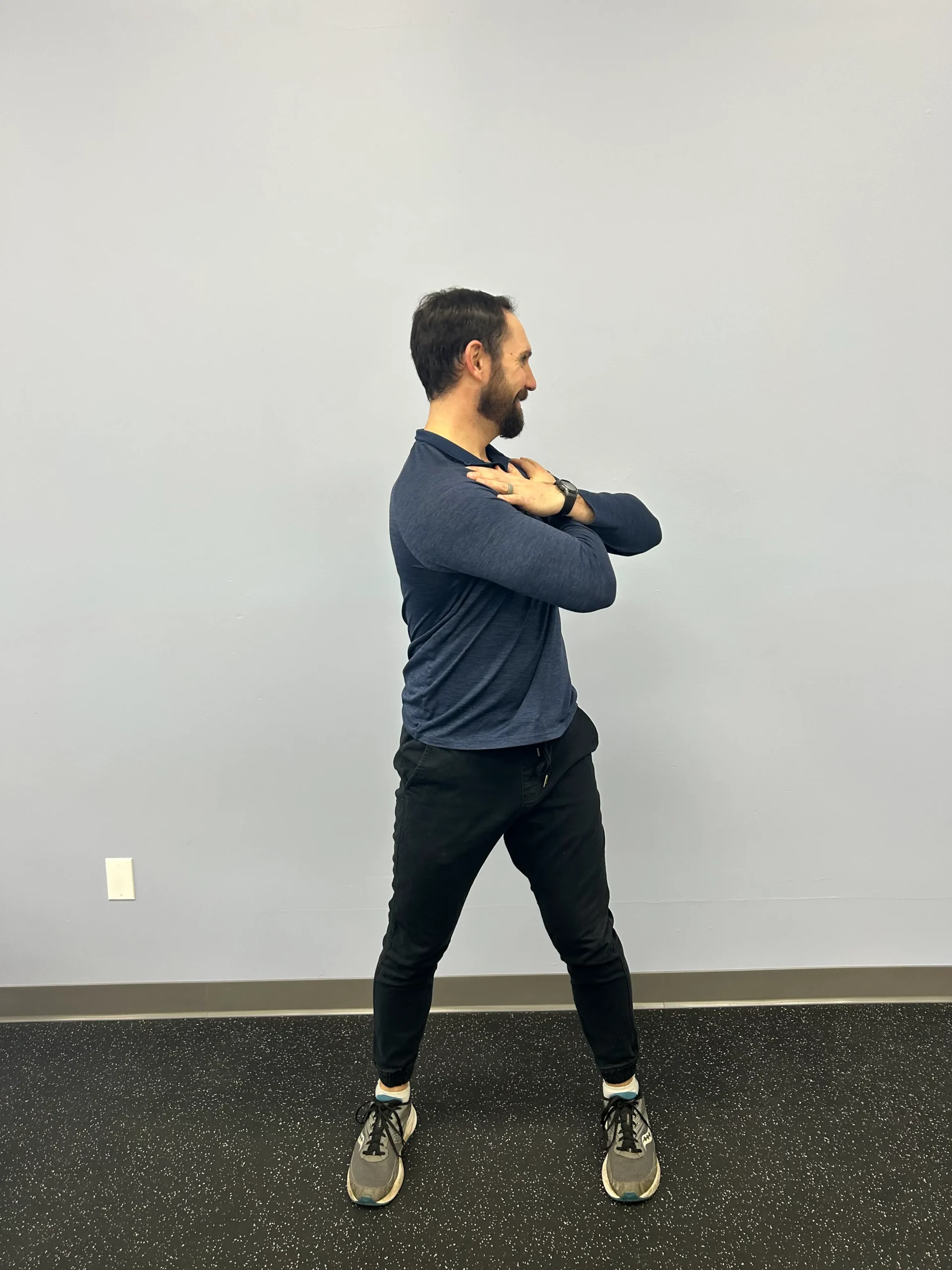
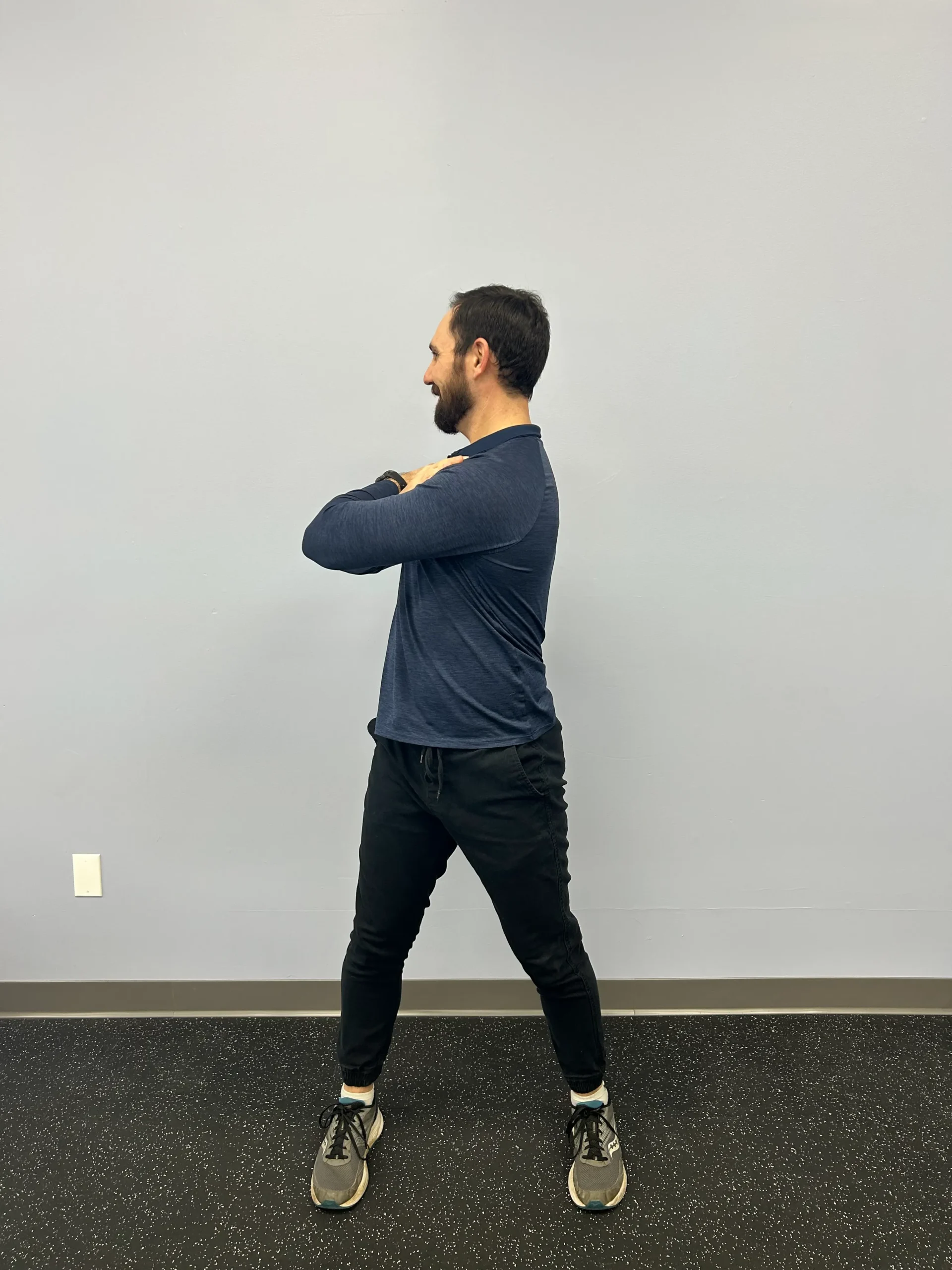
A few simple precautions can make snow removal safer and more manageable. Consider the following tips to support your back, shoulders, and knees while you work.
If discomfort occurs during or after shoveling, a physical therapist can evaluate your mechanics and recommend targeted strategies to support safe, efficient movement.
If you would like guidance with these exercises or have concerns about pain or mobility during winter chores, our MVPT Physical Therapy clinicians are here to help. Schedule an evaluation at your nearest clinic to learn how physical therapy can help you move comfortably and confidently throughout the season.


Winter is often the time when many patients meet with their orthopedic providers to discuss joint replacement or other surgical options. Because some surgeons prefer to schedule these procedures in spring, patients frequently face a period of waiting. This waiting period is an important opportunity to begin strengthening, improving mobility, and preparing the body for the best possible outcome.
Physical therapy before surgery, known as prehabilitation, helps you build the strength, flexibility, and confidence needed for a smoother recovery. At MVPT Physical Therapy, our clinicians work closely with referring providers to support you through each stage of your surgical journey.
Prehabilitation prepares your body for the demands of surgery, helping you begin recovery from a stronger foundation. Benefits include:
Studies show that patients who complete prehab often recover faster, spend less time in the hospital, and return to function more efficiently than those who do not.

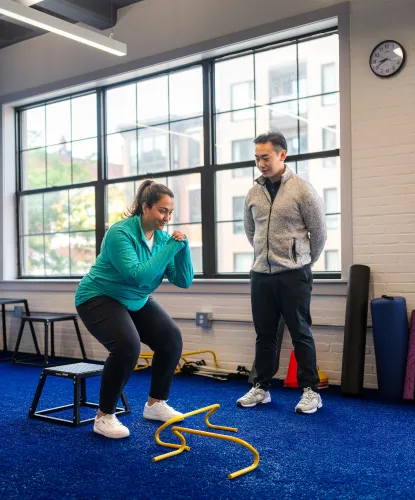
Following surgery, your therapist collaborates with your surgeon and develops a personalized plan to restore movement and confidence.
Preparing for orthopedic surgery is a major step, but you do not need to navigate it alone. Prehabilitation and post-surgical physical therapy help you build strength, improve mobility, and recover with greater confidence. If you are considering surgery or planning for a procedure later this year, we are here to support you.
Schedule an evaluation at your nearest MVPT location to begin your plan.