


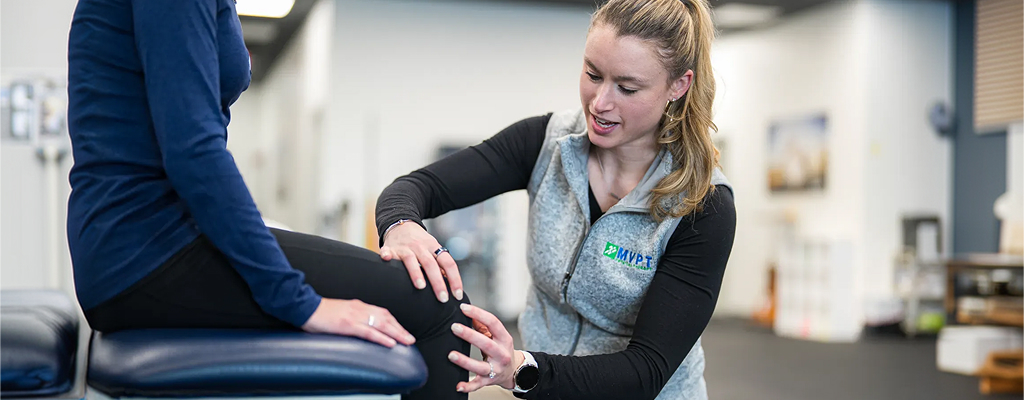




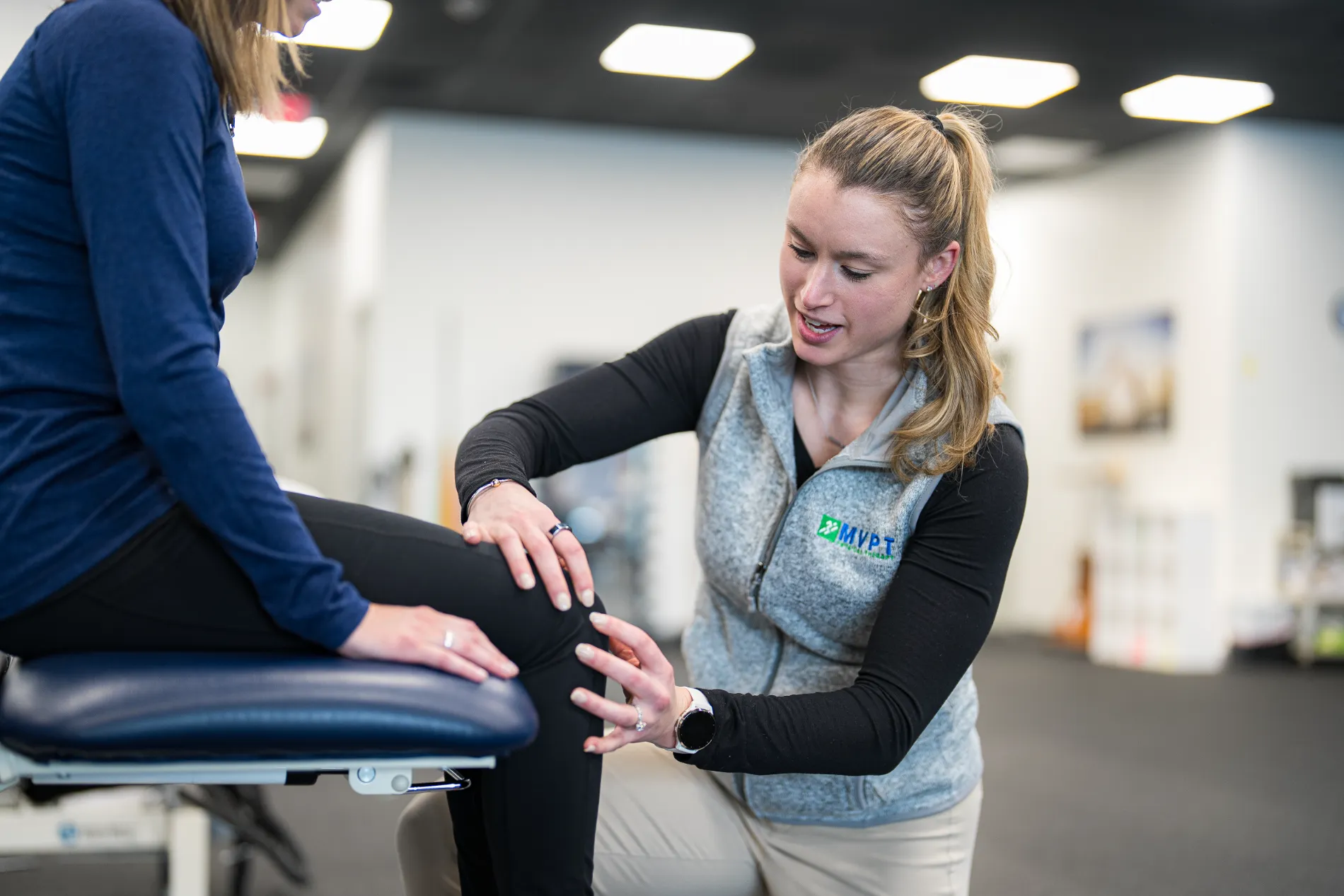
Winter in New England is a season of slower routines, packed schedules, and delayed healthcare. Many people wait until spring to move forward with orthopedic procedures, which makes now the ideal time to prepare your body — and your plan — for the best possible outcome.
Whether you’re considering surgery in a few months or managing ongoing pain, preparing early with a physical therapist can make a meaningful difference. The American Physical Therapy Association (APTA) notes that strong pre-surgical rehabilitation (“prehab”) can improve mobility, reduce pain, and support a smoother recovery after surgery. The choices you make now can set the tone for your entire year of health and movement.
Orthopedic surgery places new demands on your body. Preparing your muscles, joints, and movement patterns can make recovery shorter, safer, and less stressful.
Here’s how early physical therapy helps:
Many studies referenced by APTA show that patients who complete prehab experience better early post-operative function and fewer complications compared to those who don’t prepare.
Winter is an ideal time to start: fewer outdoor activities, more structured routines, and a chance to proactively invest in your long-term health.


When spring arrives, orthopedic surgeries increase… and so does demand for appointments.
Planning ahead means you won’t have to scramble to find openings when you’re already focused on healing.
By scheduling early, you can:
Physical therapy is not just part of surgical recovery — it’s a continuation of the relationship you’ve built with a provider who understands your goals, your history, and your progress.
Many patients feel pressured or intimidated when a surgeon directs them to a specific rehab facility. But it is important to know:
You have the right to choose your physical therapy provider. Always.
Surgeons may recommend therapy within their own system, but you are not required to attend those clinics. There is no penalty, no insurance issue, and no restriction that prevents you from selecting the provider who feels right for you.
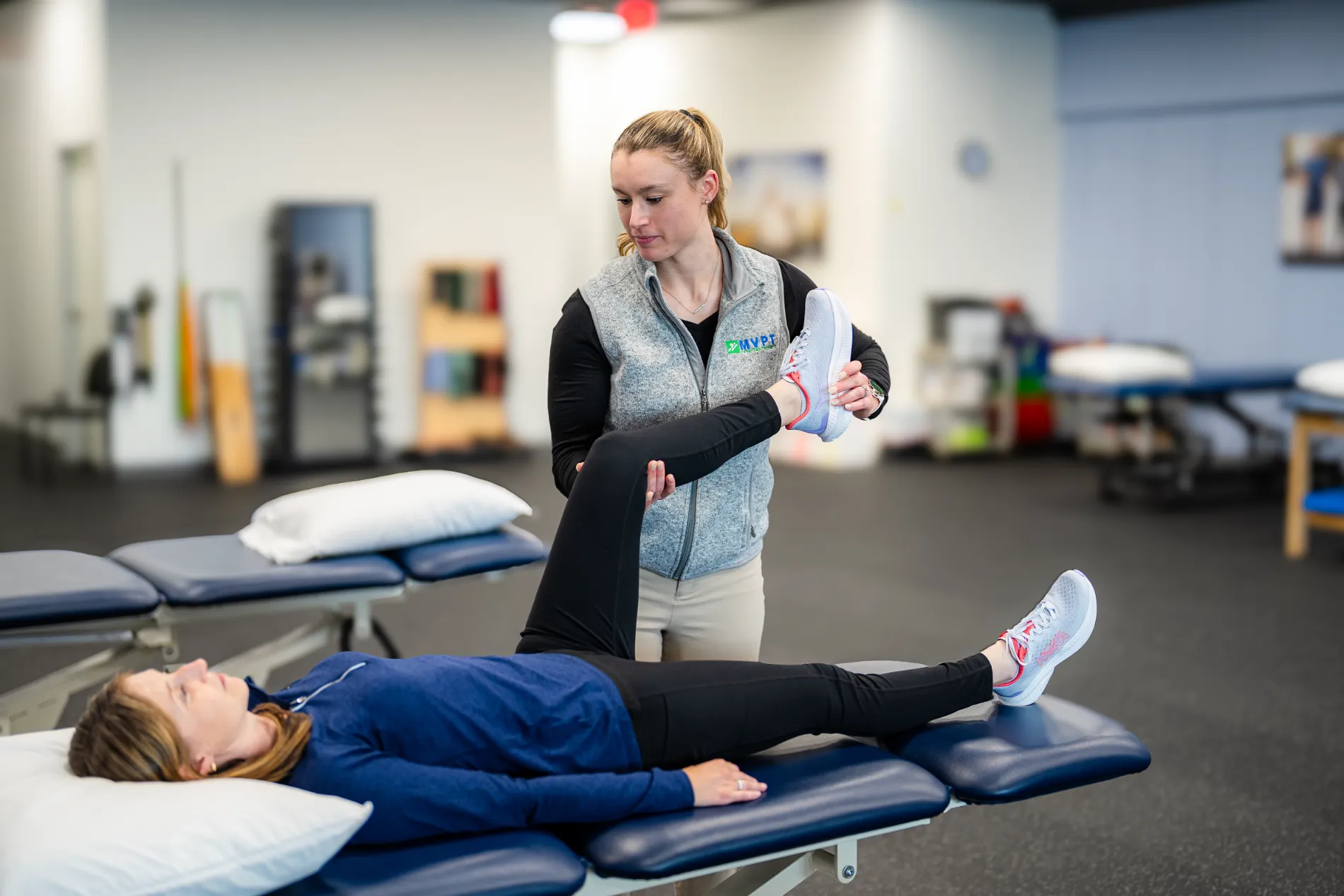
Choosing MVPT Physical Therapy means partnering with a clinician who:
You deserve care that feels comfortable, accessible, and aligned with your needs — not someone else’s preference.
Staying active in the weeks and months before surgery supports your strength, balance, and endurance — all crucial for your recovery timeline.
Physical therapy helps you:
Movement creates momentum. If you begin now, spring surgery will feel like a planned step rather than an obstacle.
Whether you’re managing pain, preparing for a procedure, or simply wanting to stay moving through winter, our team is here for you. At MVPT Physical Therapy, we help you build strength, reduce pain, increase confidence, and create the foundation for a successful surgical experience.
If surgery is in your future, let’s start planning today.


Ski season is in full swing across New England, and whether you’re a seasoned skier or heading out for your first run of the year, winter sports place unique demands on your muscles and joints. The thrill of the mountain comes with increased risk of strains, sprains, falls, and overuse injuries — especially when the body isn’t fully prepared for the physical challenge.
A little planning and physical readiness can go a long way. With the right approach, you can keep yourself safe, enjoy the slopes with confidence, and reduce your risk of preventable injuries.
Skiing involves quick changes in direction, uneven terrain, and occasional unpredictable falls. Because of that, several areas of the body are especially vulnerable:
Physical therapists evaluate and treat all musculoskeletal injuries, and many are also trained to support patients recovering from concussions. If pain or symptoms linger after a day on the slopes, a PT evaluation is always a smart next step.

A safe ski season starts before you even clip into your bindings. Here are simple, evidence-informed habits that help prepare your body and reduce injury risk:
1. Build Strength and Flexibility: Strong legs, hips, and core muscles help you maintain form, react to uneven terrain, and absorb impact. Balance and flexibility work improves your ability to recover quickly from off-center movements.
2. Warm Up Before Your First Run: A dynamic warm-up helps activate muscles and reduce stiffness. Try light jogging in place, high knees, leg swings, arm circles, and short mobility drills.
3. Wear Equipment That Fits Well: A properly fitted helmet, well-tuned skis, and supportive boots can significantly reduce your risk of falls and impact injuries. Don’t overlook wrist and thumb protection if you’re prone to falls with poles.
4. Pace Yourself: Cold temperatures and elevation can fatigue your muscles faster than expected. Taking short breaks to stretch and hydrate helps prevent mistakes caused by tired legs or decreased focus.
5. Listen to Early Warning Signs: Soreness that limits movement, swelling that doesn’t settle, or pain that worsens with activity are signs to stop, rest, and consider a PT assessment.

A ski injury can interrupt your season, but early physical therapy can help you return to activity safely and confidently. During a physical therapy evaluation, your clinician will:
Treatments may include manual therapy, joint mobilization, soft tissue techniques, strengthening, balance training, dry needling, cupping, and other evidence-based approaches.
Winter should be a season of activity, not hesitation. With smart preparation and the right support, you can enjoy every run with fewer aches, better control, and greater confidence.
If you want help building strength for ski season — or you’re recovering from an injury — the team at MVPT Physical Therapy is here to support you.


Many of us spend long hours looking down at phones, laptops, or tablets — and over time, this takes a toll on the neck and upper back. Stiffness, headaches, and poor posture often build gradually, making everyday movement feel harder than it should.
Neck discomfort can develop for many reasons, including weak supporting muscles, limited mobility in the upper spine, or less-than-ideal workstation habits. Physical therapy helps address these root causes by restoring proper alignment, improving strength, and teaching movement patterns that support a healthier posture.
This month, Eric B., PT, DPT, AT, MA, Clinic Manager at Bay State Physical Therapy – North Providence, has selected a series of simple, effective exercises designed to stretch tight muscles, strengthen the areas that support your neck, and encourage upright, comfortable movement.
These exercises are easy to add to your daily routine and can make a meaningful difference in the way you feel. Let’s get started and help your body move with greater ease, strength, and balance.

Eric B. is the Clinic Manager at Bay State Physical Therapy – North Providence, bringing years of expertise in orthopedic rehabilitation, sports medicine, and manual therapy. His patient-centered approach combines advanced clinical skills with compassionate care, helping individuals of all ages restore function, reduce pain, and achieve their movement goals.
Eric’s commitment to evidence-based practice and personalized treatment plans has made him a trusted resource for patients seeking lasting relief from neck pain, postural dysfunction, and musculoskeletal injuries.
Below are Eric’s recommended exercises to support mobility and strength in key muscle groups that influence neck position and upper body alignment.
Below, Brianna B., PTA in North Providence, demonstrates Eric’s recommended exercises to support mobility and strength in key muscle groups used during daily activities.


If you would like guidance with these exercises or have concerns about pain or mobility, our team is here to help. Schedule an evaluation at your nearest clinic to learn how physical therapy can help you move comfortably and confidently.


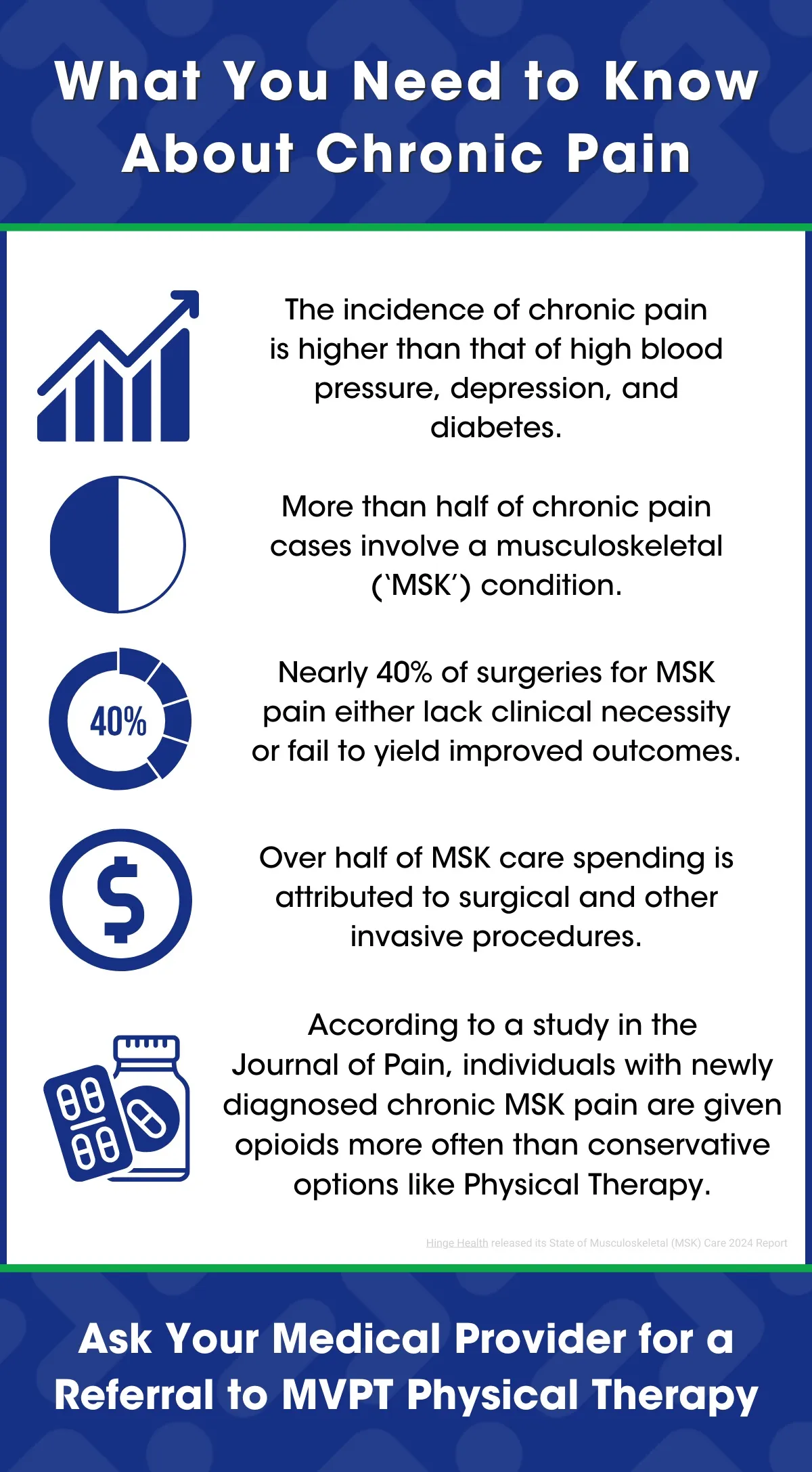
Chronic pain affects millions of people in the United States and is one of the most common reasons individuals seek healthcare. While acute pain typically fades as the body heals, chronic pain persists for three to six months or longer, disrupting daily routines, limiting independence, and impacting emotional well-being.
The National Spine & Pain Center defines chronic pain as “pain that outlasts what is considered a normal time course for healing.” This longer duration changes how the body responds to movement, stress, and rest — making everyday activities feel significantly harder.
Three of the most frequently reported chronic pain concerns include:
Understanding what drives chronic pain is the first step in managing it effectively.

Acute Pain: Short-term discomfort caused by a specific event such as a fall, sprain, or minor injury. It usually improves once tissues heal.
Chronic Pain: Pain lasting beyond normal healing time — sometimes even after the original injury has resolved. Chronic pain can affect mobility, increase reliance on medication, contribute to fatigue, and influence mental health. Fortunately, physical therapy offers evidence-based strategies to help reduce symptoms and restore function.
Chronic pain often stems from the musculoskeletal system, which includes the body’s muscles, joints, ligaments, nerves, and connective tissues. Some of the most common contributors include:
Overuse and Repetitive Stress: Work tasks, exercise routines, and everyday movements can overload tissues when performed with poor mechanics or insufficient strength. Physical therapists identify these patterns and guide you toward safer, more effective movement strategies.
Accidents or Injuries: Car accidents, workplace incidents, and falls may lead to lingering pain if the body doesn’t fully recover. Research shows nearly 1 in 5 people involved in motor vehicle accidents develop chronic symptoms without treatment. PT can help reduce long-term discomfort by restoring mobility and strength after injury.
Post-Surgical Changes: While surgery may correct a structural issue, recovery can introduce new challenges — stiffness, weakness, or compensatory movement patterns. Post-surgical physical therapy is essential to prevent these issues from turning into chronic pain.
Disease-Related Conditions: Arthritis, fibromyalgia, diabetic neuropathy, and neurological conditions can all produce ongoing pain. PT offers targeted strengthening, mobility work, and symptom-management strategies tailored to each condition.

Chronic pain can lead to reduced movement, which in turn causes muscles to weaken and joints to stiffen. Over time, this creates a cycle that reinforces discomfort and makes daily tasks feel overwhelming.
Physical therapy helps break this cycle by focusing on:
Our goal is to help you regain strength and mobility so you can return to activities you enjoy — with less pain holding you back.
While medication may offer temporary relief, it does not address the root cause of chronic pain. Physical therapy is different. It:
Treatment may include manual therapy, strengthening, flexibility training, balance work, dry needling, and other evidence-based interventions tailored to your needs.

If chronic pain limits your mobility, confidence, or quality of life, physical therapy can help you take control. Our team will work with you to develop a personalized plan that supports healing, improves function, and restores your ability to participate in the activities that matter most.