




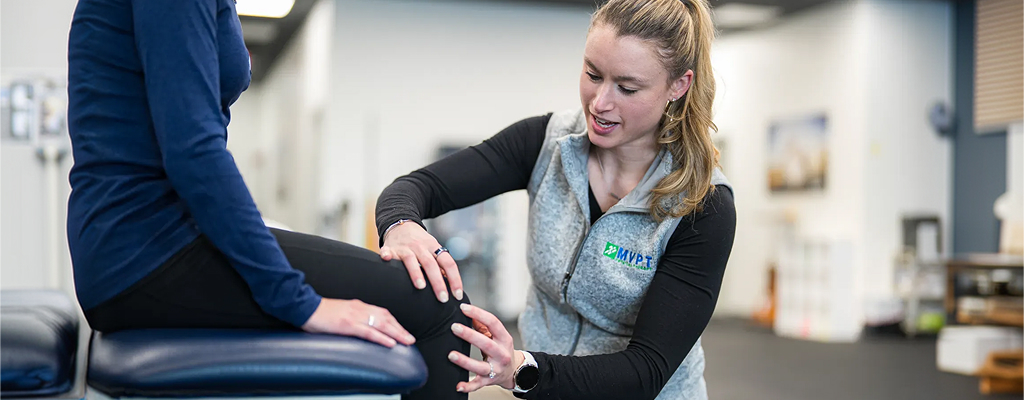





As spring blossoms and outdoor activities resume, it’s the perfect time to revitalize our bodies and embrace movement once again. Tennis courts come alive, pickleball leagues kick off, and gardening projects shift from plans to vibrant action. Longer days beckon us into a season of increased activity and enthusiasm.
With this uptick in movement, it’s common for many of us to notice subtle changes in our bodies. Perhaps your shoulder feels a bit tight when reaching overhead or your elbow is slightly irritated after a match. You might even find your arms feeling heavy or fatigued after a long day of play or work.
However, these changes need not spell the start of a setback. More often than not, they are your body’s way of requesting a little extra attention and care — and that guidance is readily available.
At MVPT Physical Therapy, our mission extends beyond merely addressing pain. We’re dedicated to helping you maintain strength, mobility, and confidence, ensuring you can keep enjoying the activities that matter most to you.
The shoulder, arm, elbow, and neck work together as a seamless integrated system. It’s crucial to remember that discomfort felt in the shoulder or arm may not originate there at all; limitations in neck mobility or mild nerve irritation from the cervical spine can manifest as aches that seem to stem from an arm strain.
Through a comprehensive physical therapy evaluation, we accurately identify the root of the issue. Our approaches include:
By addressing the underlying source, we often see quicker improvement and lasting relief. Healing is not just about treating localized pain; it’s about understanding the functional connection between different parts of the body.

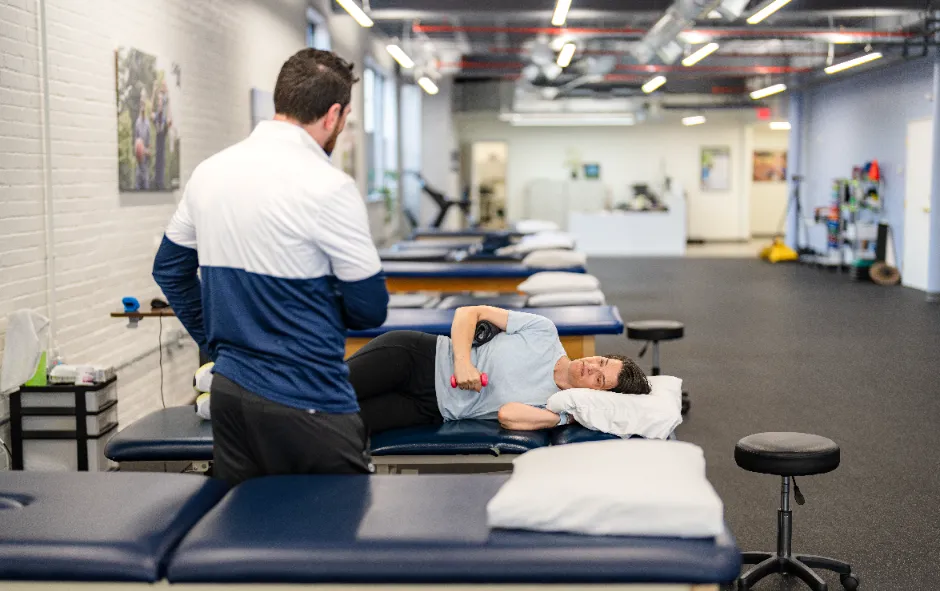

As you gear up for spring sports and activities, preparation is key to ensuring your body is ready for the challenges ahead. Before diving into full-intensity tennis, pickleball, or throwing activities, consider focusing on three essential areas:
Physical therapy can help enhance your shoulder and upper back mobility, paving the way for smoother overhead movements and reducing strain.
Engaging in targeted strengthening of the rotator cuff and shoulder blade muscles boosts joint stability and endurance.
Physical therapists design tailored plans for a progressive return to activity, allowing you to build tolerance safely, especially for repetitive movements like serving or throwing.
Investing time in preparation translates to a more enjoyable season, with fewer interruptions and a greater sense of accomplishment.
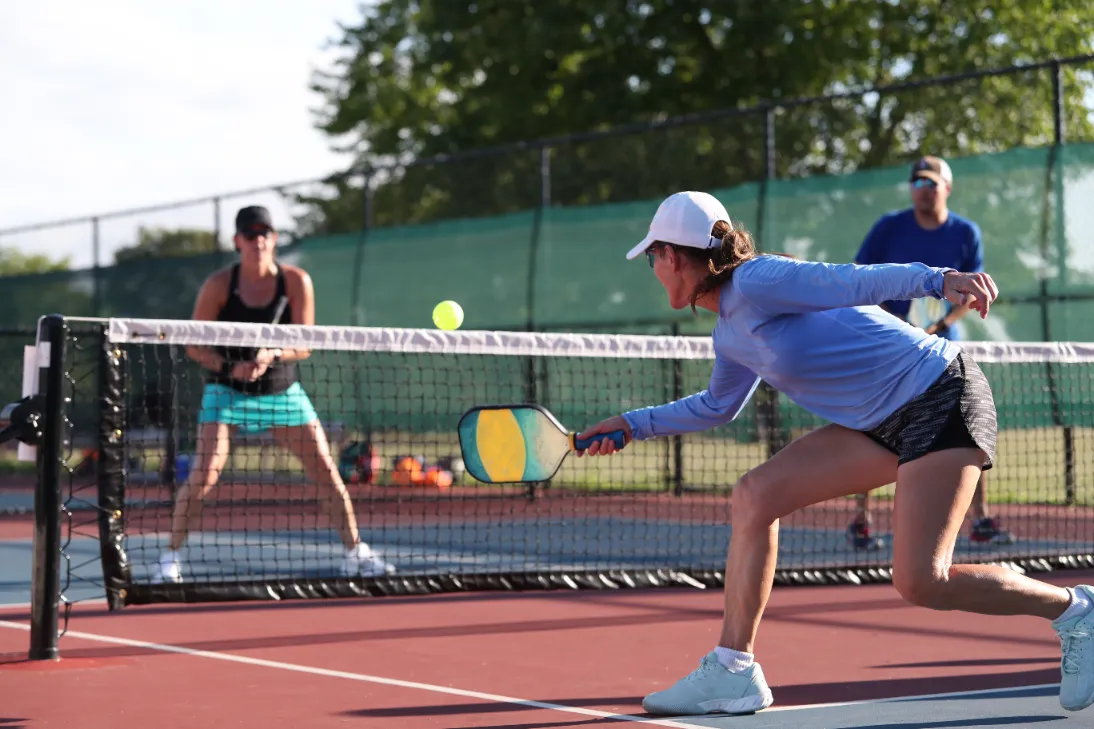
Conditions like tennis elbow and golfer’s elbow rarely come on suddenly; they often develop gradually due to repetitive stress without adequate recovery or strengthening support.
Physical therapy aids in:
When we tackle these challenges early, many conditions can improve without lengthy interruptions to your activities.
Minor symptoms don’t necessarily indicate a serious issue, but they can be early indicators that something in your body could use some optimization.
Through physical therapy, we can:
Opting for early care isn’t solely about preventing worsening symptoms; it’s about maintaining the flow of life and movement. When you feel good moving, daily chores become more manageable, and your enjoyment of sports is amplified.


Many tend to believe that shoulder stiffness or arm fatigue is a natural part of aging. While tissues indeed change over time, strength and mobility can remain highly adaptable. Extensive research backs the positive effects of progressive strengthening and mobility training at any age.
Through physical therapy, we empower you by:
Strengthening yourself gives the best chance to keep lifting, reaching, carrying, and participating fully in what you cherish. Aging well isn’t about slowing down — it’s about moving purposefully and intentionally.
If you’ve noticed subtle shoulder tightness, arm fatigue, elbow irritation, or neck discomfort as activity increases, you don’t need to navigate it alone, and you shouldn’t wait for it to become severe.
This spring, take the proactive step that helps you continue doing what you enjoy. Schedule your physical therapy evaluation today and experience how we help you!



As the birds begin to chirp and the sun rises earlier each day, the invigorating scent of spring fills the air. With warmer temperatures and longer days, we often feel compelled to transition from indoor activities to outdoor adventures on nature trails and athletic fields. However, in our eagerness to enjoy the season, many of us may make the mistake of diving right back into our activities as if the winter hiatus never happened.
This approach, unfortunately, can lead to pain and injury. To minimize the risk of injury associated with recreational activities, it’s essential to prioritize preparation and adopt a smarter training routine.
The key to preventing injuries lies in understanding what causes them. By evaluating movement patterns and educating ourselves, medical professionals, such as physical therapists, can create tailored preventive care plans that mitigate risk. Many injuries arise from overuse, muscle imbalances, inadequate mobility, and lack of preparation. Remember, physical therapy isn’t just for recovery; it can also be a proactive measure to identify and address potential injury precursors before they develop.


Every movement places stress on our muscles, tendons, and joints. As forces accumulate, our bodies generate power through high-speed muscle contractions, necessitating a balance of strength to meet the demands placed on us as athletes. Whether you’re running the bases, navigating steep trails, or sprinting on the field, your body’s complex structure requires diligent care to function optimally.
As we age, our bodies change, but the challenges we face in executing athletic movements remain consistent. To prevent injuries, it’s crucial to maintain strength and coordination throughout our lives, and that’s where a trusted physical therapist can make a significant difference.
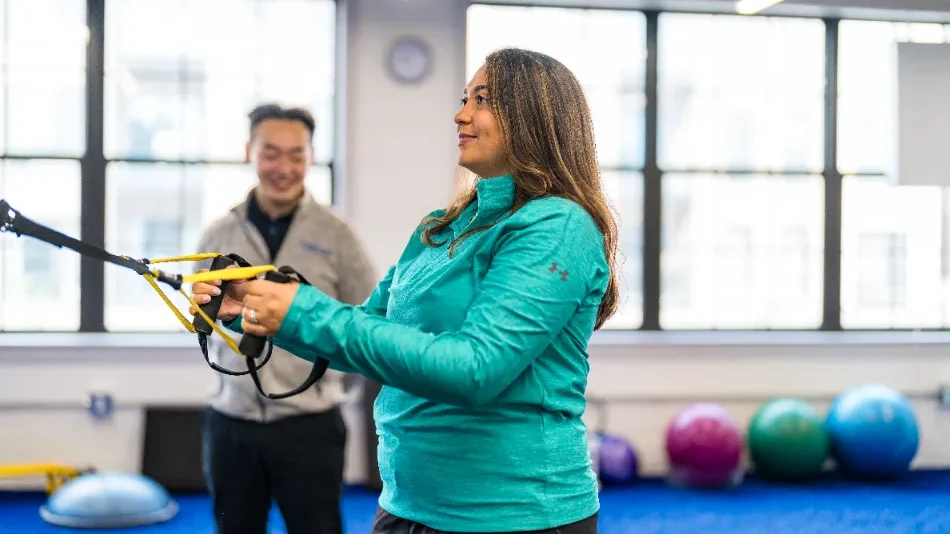
Injury prevention should be a priority not just for athletes, but for parents and coaches too. From weekend warriors to seasonal players, without proper preparation, all participants risk injury. Whether addressing muscle imbalances or managing the lingering effects of previous aches and pains, your physical therapist can guide you toward optimal performance.
Consider focusing on:
Preventive activities should always precede competition, allowing you to engage in targeted exercises and functional movements specifically designed to reduce the risk of sport-specific injuries. A physical therapist will conduct a thorough assessment to identify individual predispositions and create a customized care plan that addresses these vulnerabilities.
If you experience an injury, your physical therapist is your best ally. With their expertise, you’ll receive a comprehensive assessment, pain management guidance, and a tailored recovery program. When you’re ready, they’ll also help facilitate a safe return to your preferred activities, whether for leisure or competition.
With the support of your MVPT Physical Therapy team, you can fully enjoy your favored activities by preparing your body for the demands of movement and competition. As specialists in sport and movement, we are uniquely qualified to help you get ready for the activities you love. From golf to running, if you’re active, MVPT Physical Therapy is your perfect partner in achieving optimal health.
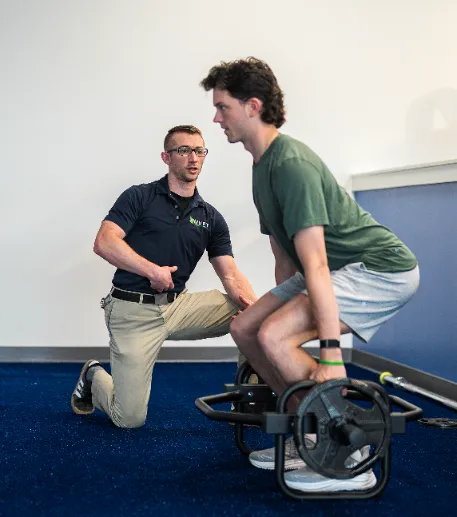


A strong, well-balanced upper body is essential for everyday movements. Think about all the things we do — reaching for something on a high shelf, lifting heavy bags, or even pushing the door open. These actions rely on the teamwork of our shoulder, upper back, and arm muscles. As spring rolls in and we get more active, whether it’s playing tennis or golf, gardening, traveling, or tackling home projects, those shoulder movements become even more frequent.
Having healthy shoulder function is about more than just being strong; it’s also about having balanced strength across the different shoulder muscles. The larger muscles give us the power to lift and reach, while the smaller stabilizing muscles, especially the rotator cuff, help guide and control our shoulder movements. When these muscle groups work together seamlessly, our shoulders move effortlessly. But if one side gets stronger than the other, or if the stabilizer muscles get tired, our movements can feel off, and we might strain our shoulders more than necessary.
Now is a great time to focus on shoulder strength and mobility to prepare your body for the busier season ahead. Building strength before your activity levels ramp up means your shoulder muscles will be ready to support you during repeated movements, helping you avoid fatigue and discomfort.
Vidhi, a Clinic Manager and physical therapist from Bay State Physical Therapy, has some fantastic exercises to share. These moves are designed to boost both your shoulder stability and mobility, targeting both the large muscles that help you move and the smaller ones that keep your joints in check. They provide a fun and practical way to build strength and keep you moving comfortably all season long!

Clinic Manager at Bay State Physical Therapy – Randolph
Vidhi is passionate about helping people move and feel their best. She holds a Master’s in Rehabilitation Science (Musculoskeletal) from the University of Pittsburgh and an MBA from the University of the Cumberlands. With a special interest in musculoskeletal and sports injuries, pre- and post-operative rehab, and vestibular therapy, she takes a hands-on, holistic approach to care.
Vidhi uses a hands-on approach and tailors treatments to restore movement and function. She stays current with evidence-based practices and has advanced training in MSK and sports taping, myofascial trigger release, and neurodynamic solutions. Committed to lifelong learning, she continually enhances her skills to provide the best possible care for her patients.
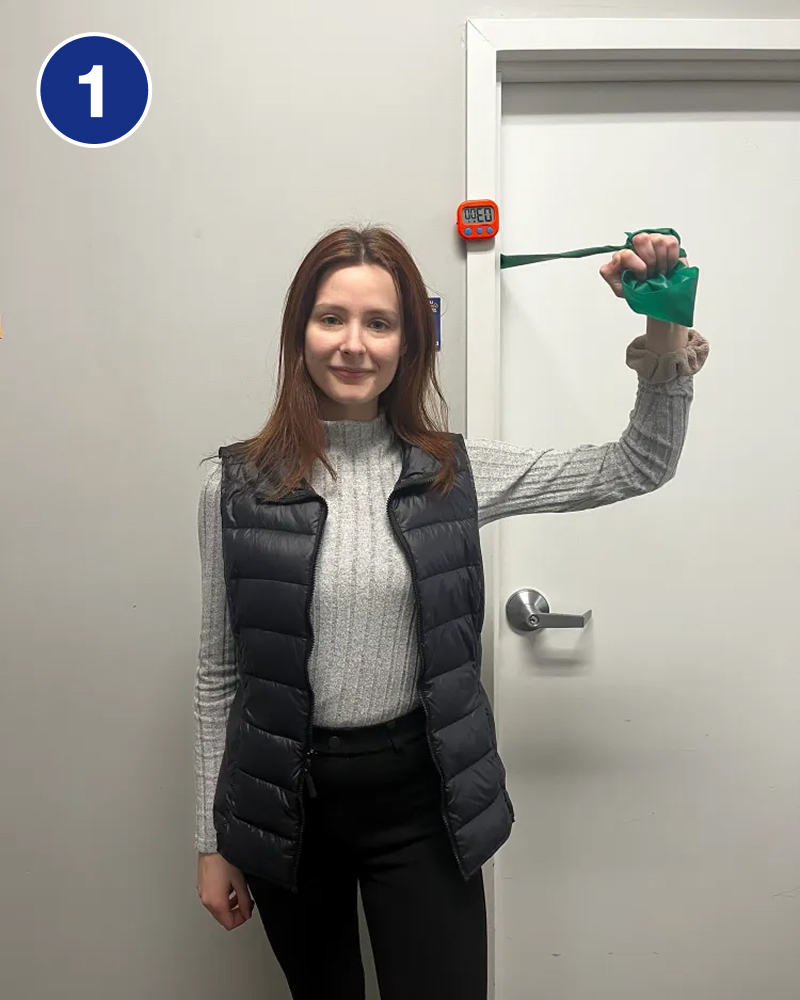
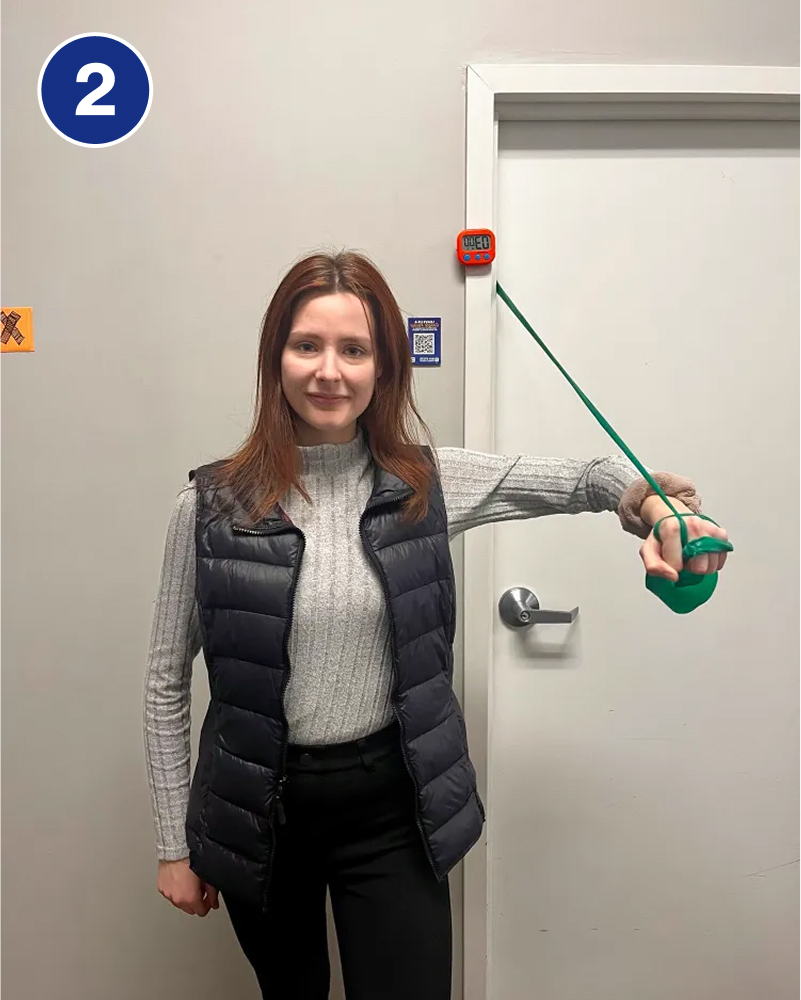
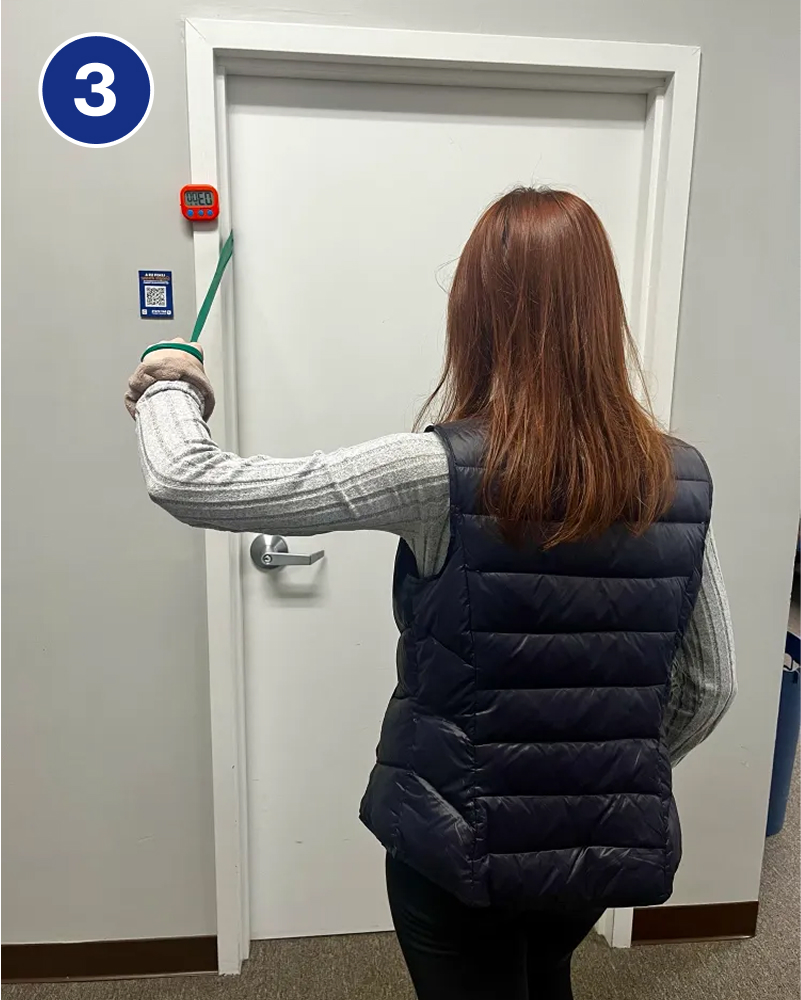
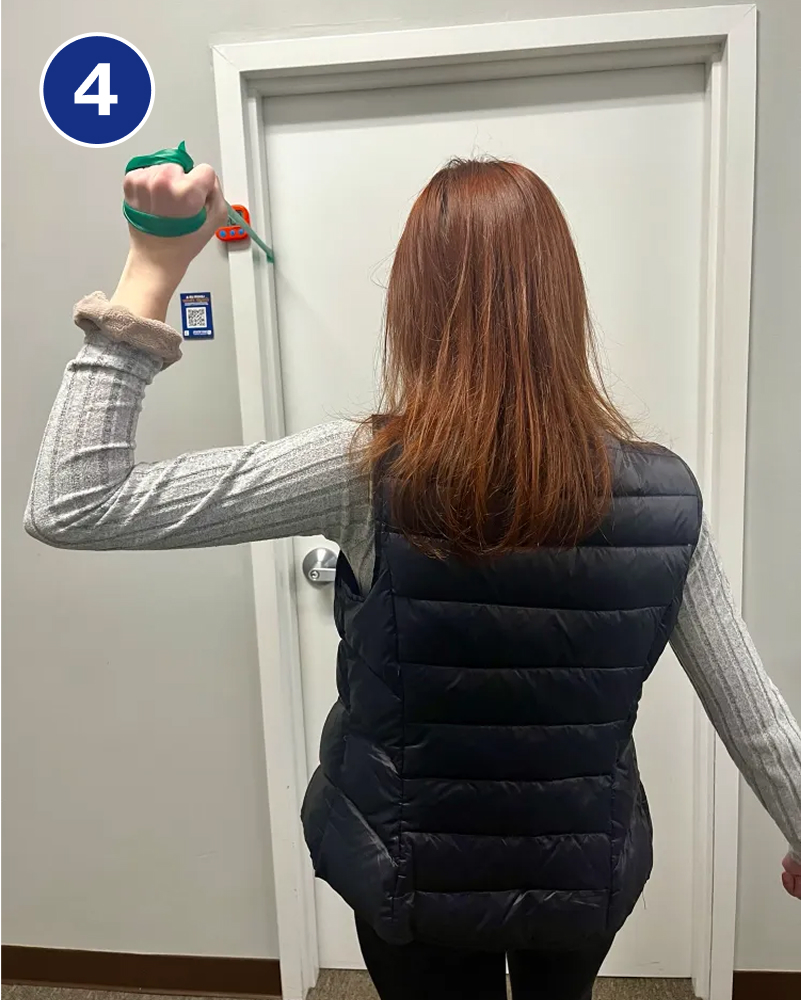

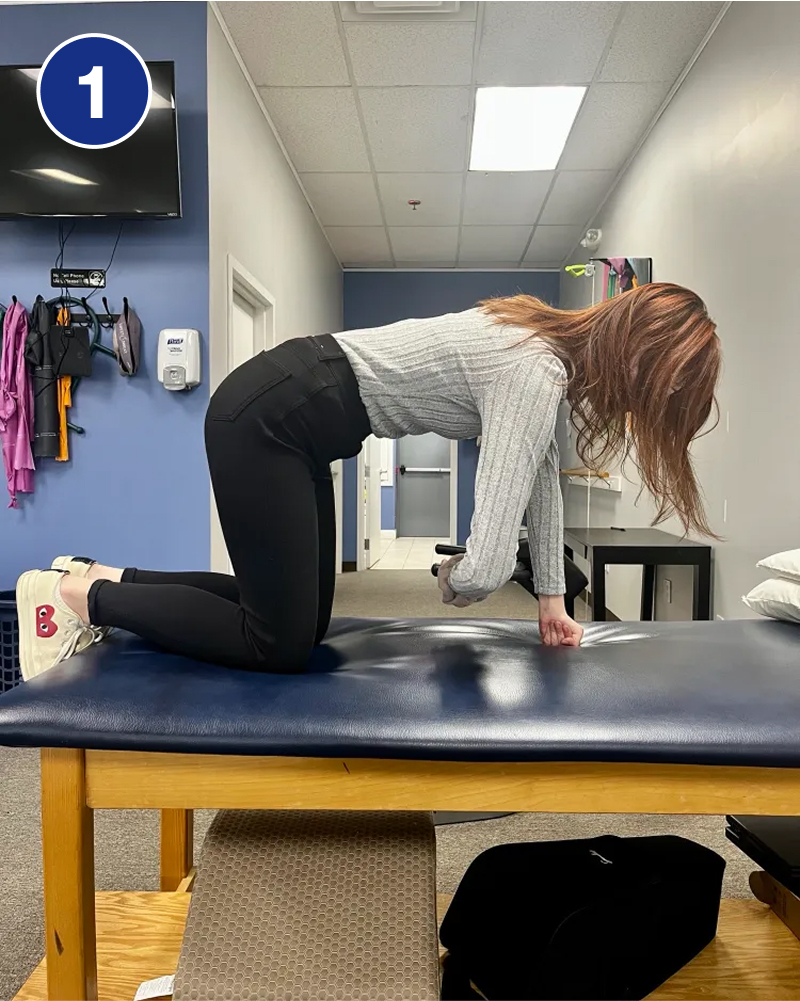
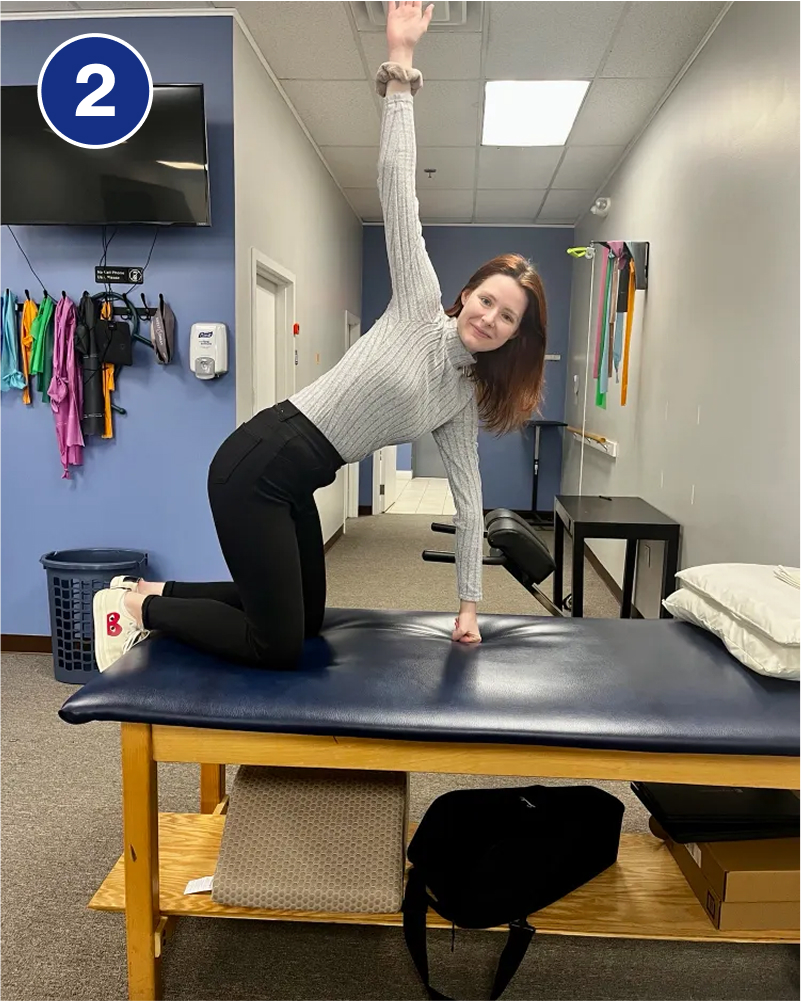
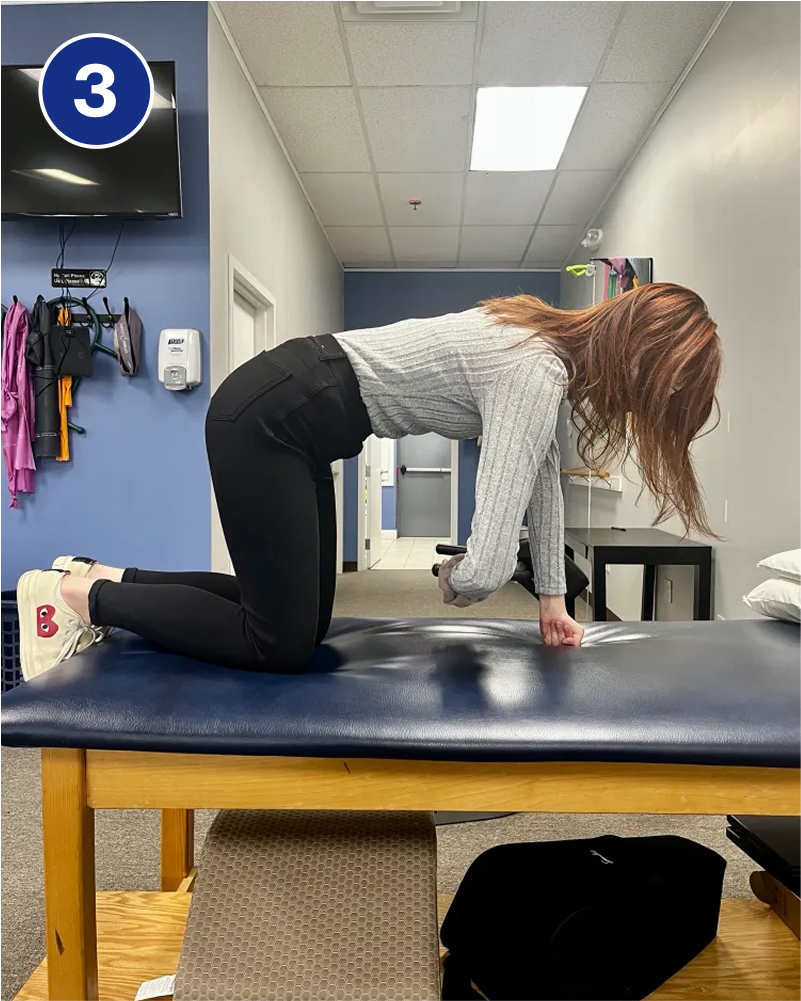
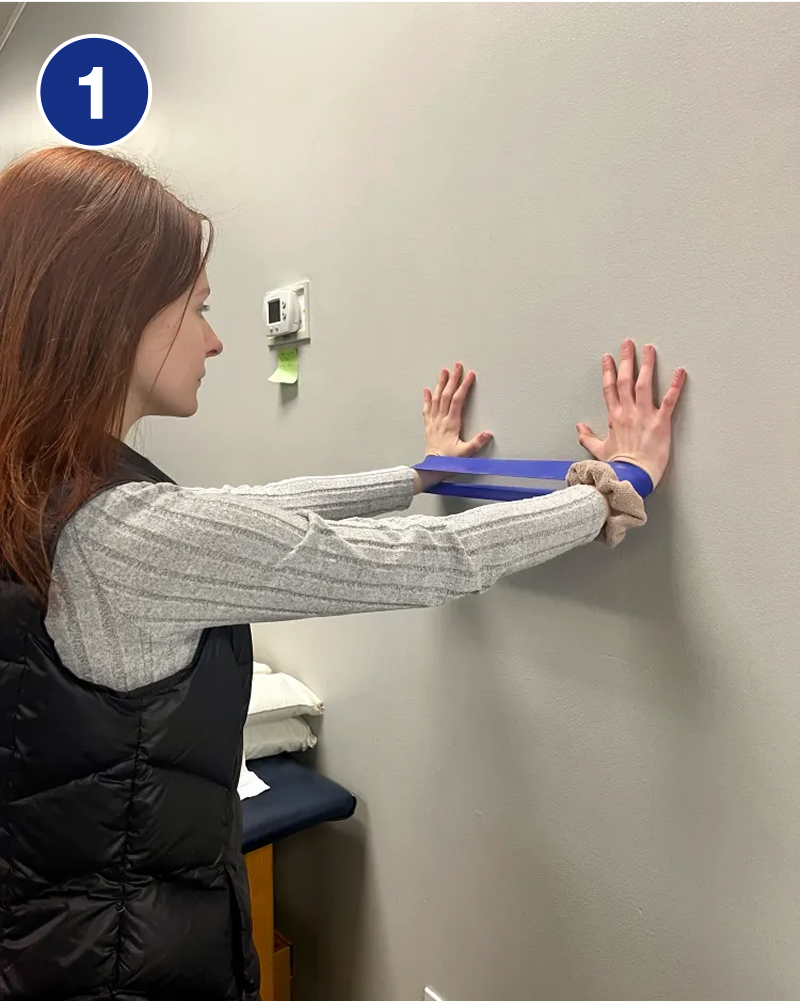
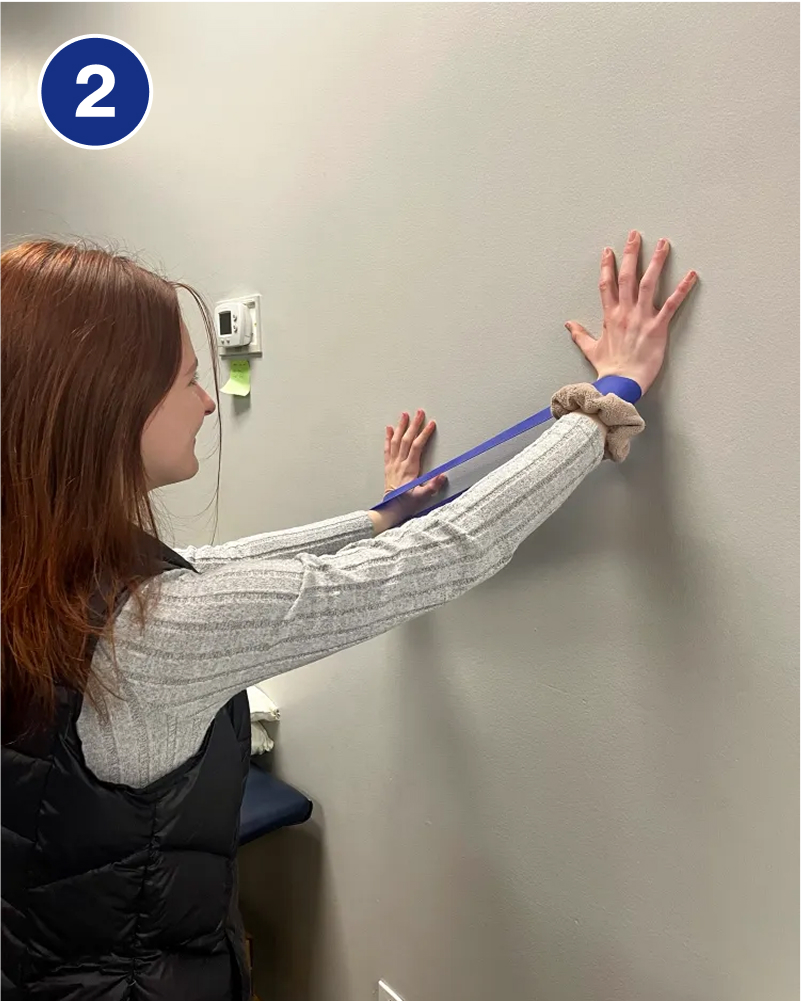
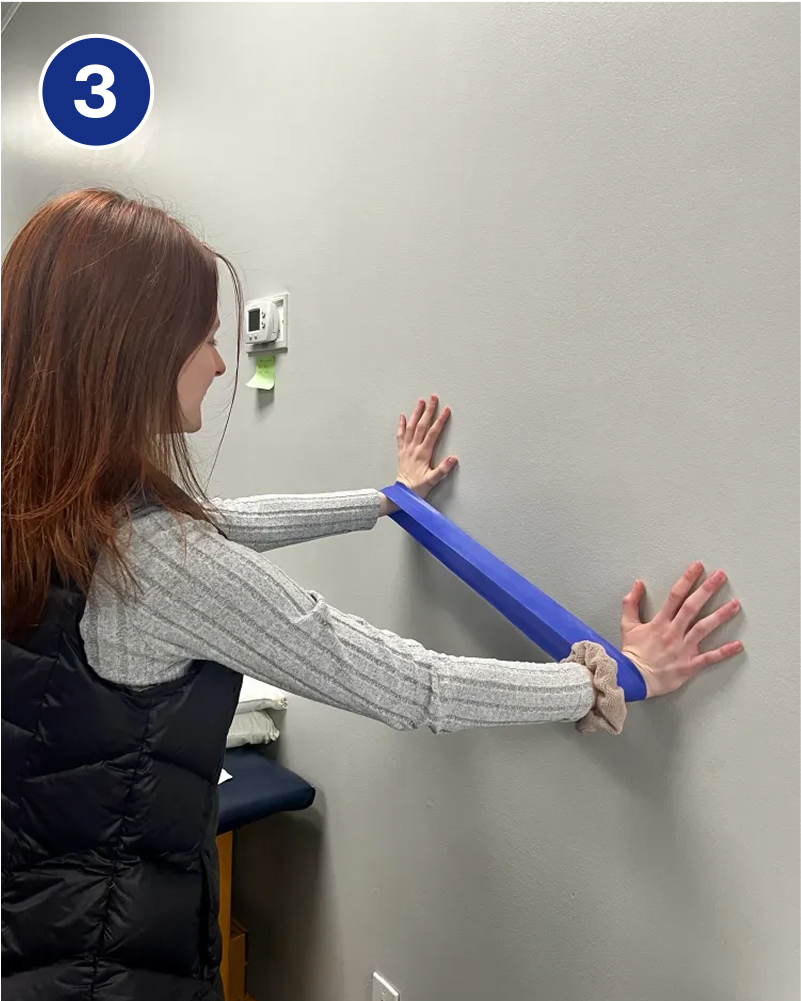
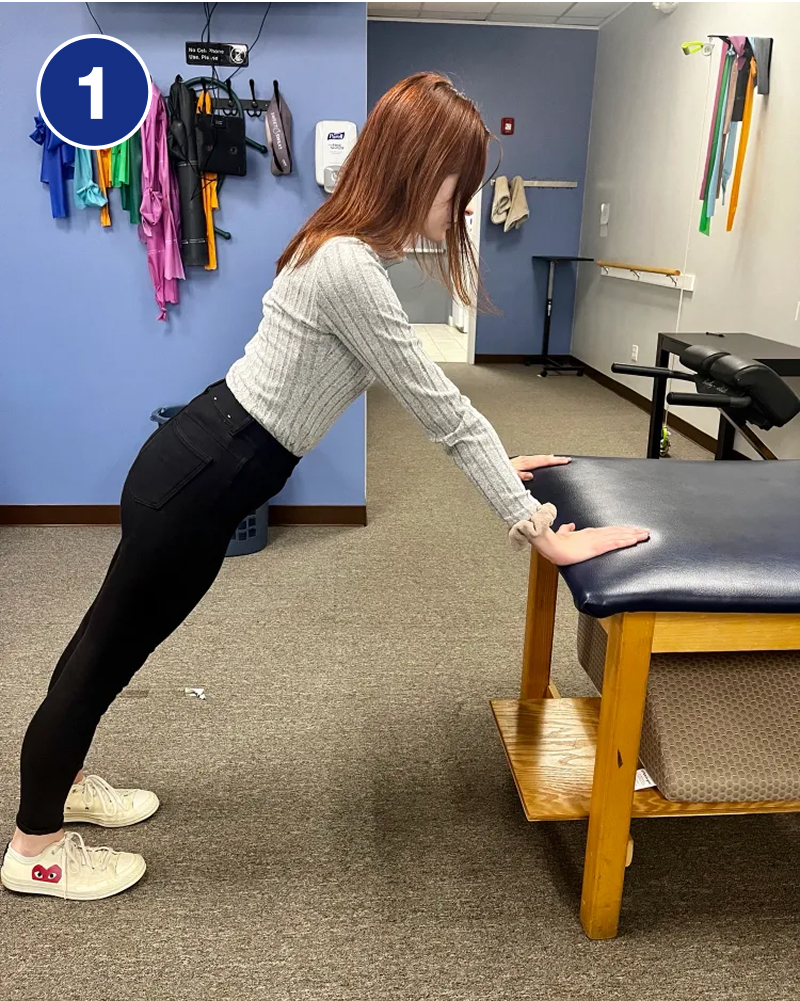
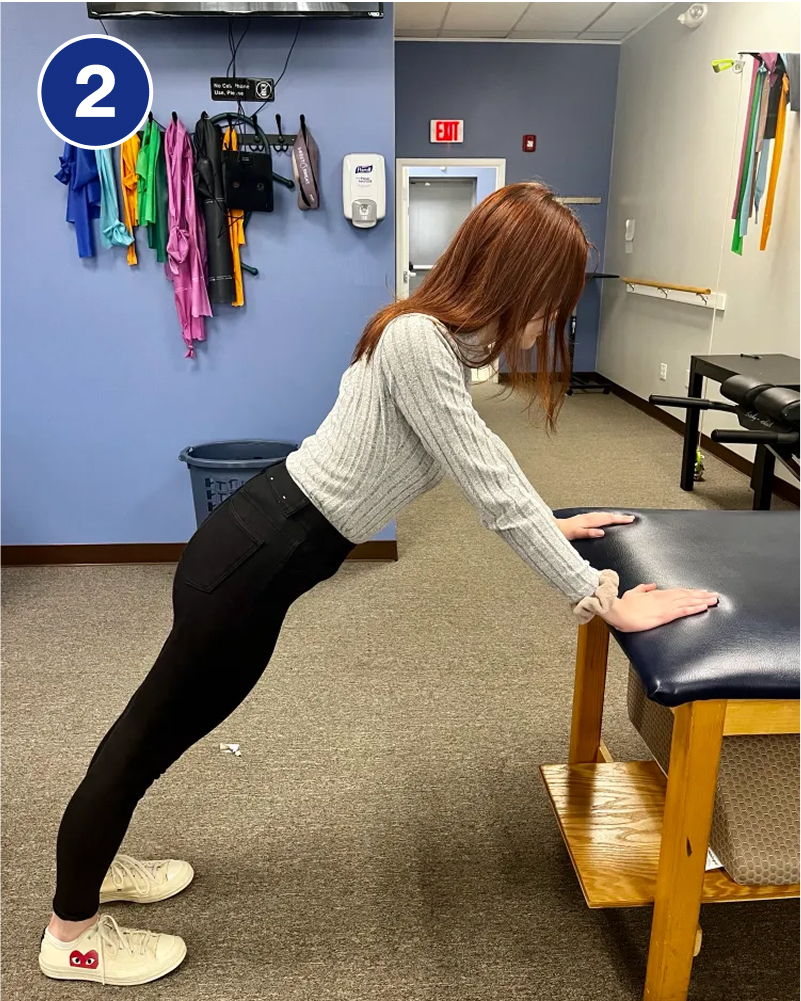
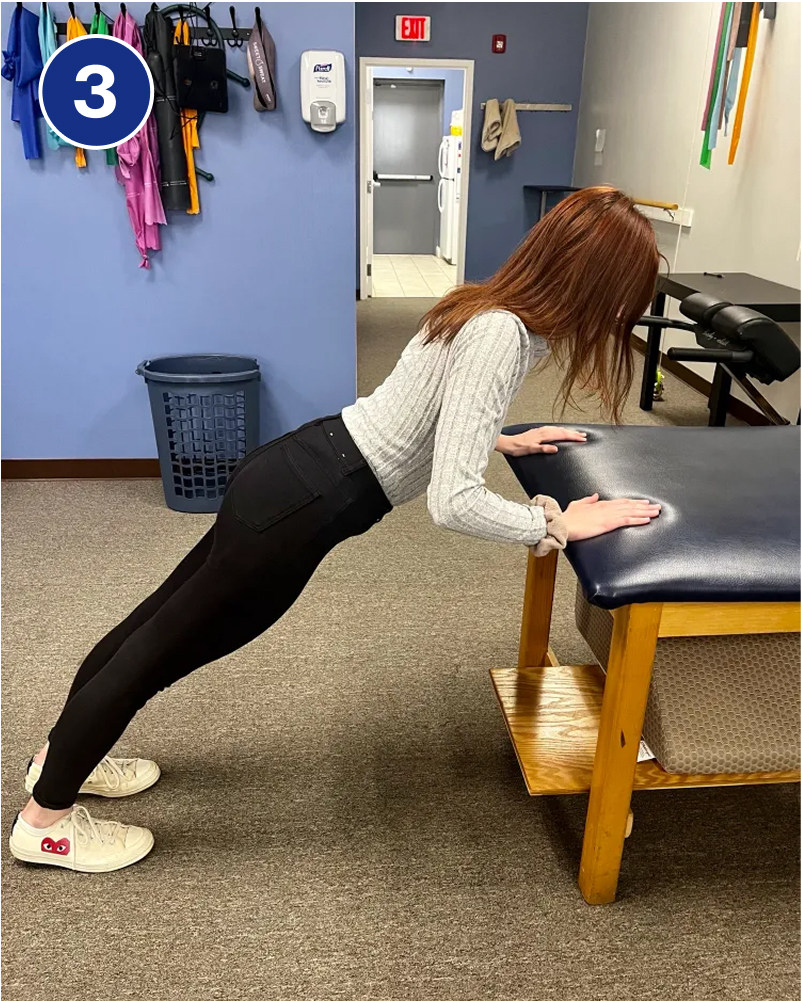
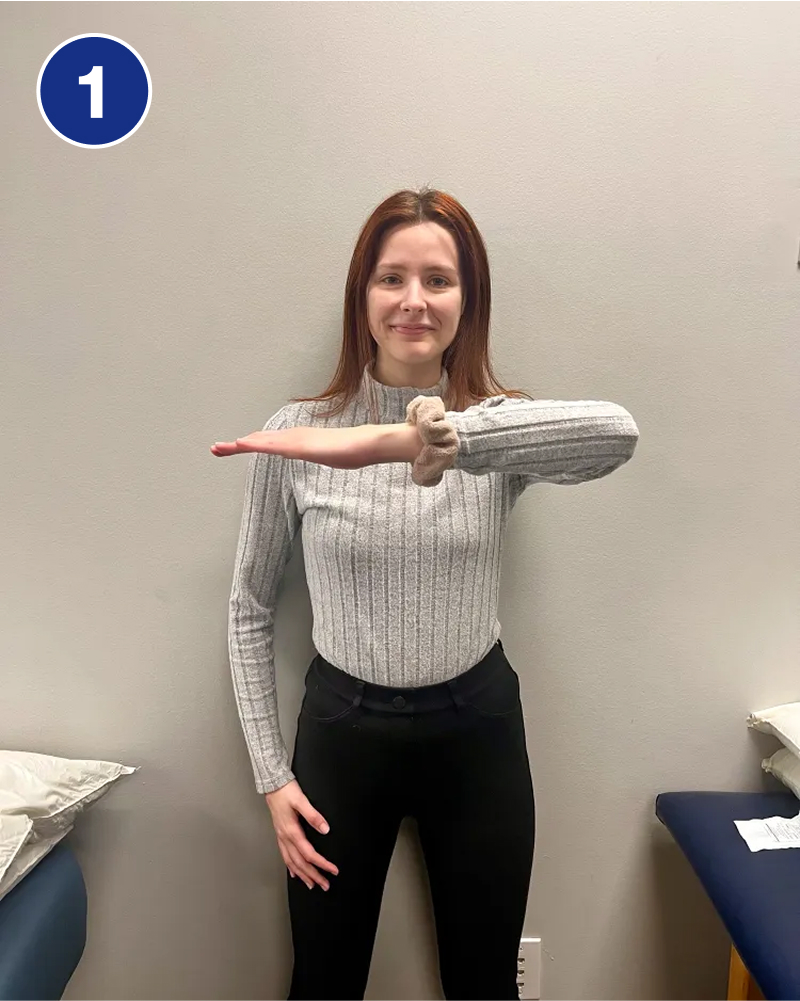
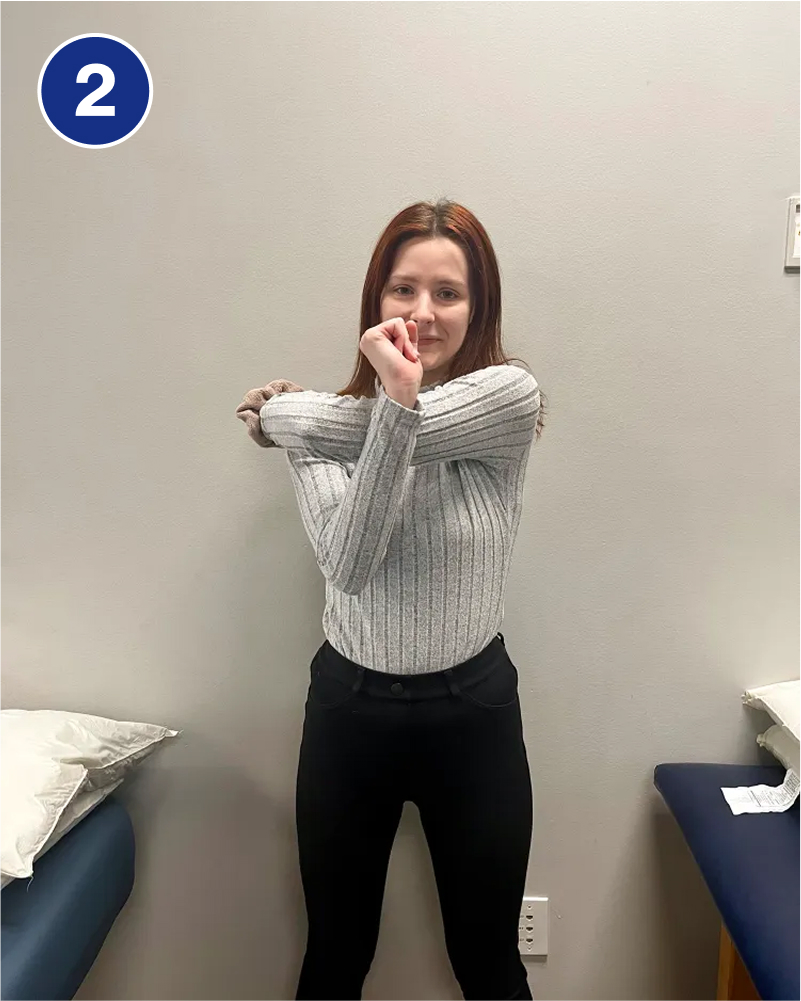


It often starts subtly — shoulder tightness at the end of a long day at your desk, neck stiffness after a weekend drive, or a dull ache between your shoulder blades after an evening on the couch.
These sensations may not feel like injuries, but they are signals that your body has been holding steady positions for hours at a time. Sometimes they fade with rest. Other times, they return and gradually begin to affect how you move, sleep, or concentrate.
Many of these nagging aches are connected to sustained positioning and muscle endurance. The solution is not rigid posture or forcing yourself to sit perfectly straight, but thoughtful support, balanced strength, and restoring movement where it has become limited.
Physical therapy helps you understand how daily habits — at work, in the car, and at home — influence how your shoulders and neck feel. With the right guidance, small adjustments can lead to meaningful improvement. Relief is not far away, and often, it begins with awareness.
Here are practical ways to reduce strain and support healthy movement, along with how physical therapy helps reinforce these habits.
Posture is not about rigid positioning. It is about creating an environment where your body can function efficiently. When neck, shoulder, or arm discomfort begins to surface, physical therapy provides:
Often, the difference between lingering discomfort and restored confidence is simply the right guidance at the right time. And that guidance is available with the team you already know and trust at MVPT Physical Therapy. Ready to focus on reducing pain and improving your posture and function? Schedule your evaluation today!