
Instrument-Assisted Soft Tissue Mobilization
What is Instrument-Assisted Soft Tissue Mobilization (IASTM)?
Are you suffering from a soft tissue injury? Do you have a sports injury or injury from a car accident? Do you have scars or adhesions that are causing pain and limiting your movement?
The Graston technique is another form of instrument assisted soft tissue mobilization (IASTM). It is a type of manual therapy that incorporates special ergonomic tools that are used to gently massage and scrape parts of the skin. These stainless steel instruments are used to heal injuries to the soft tissues, such as sprains, strains, subluxations, and repetitive use injuries.
It can also be used to treat numerous other conditions, including lower back pain, carpal tunnel syndrome, rotator cuff tears, quadricep pain, tennis elbow, plantar fasciitis, and headaches. To learn more about how the Graston Technique can benefit you, contact MVPT Physical Therapy today!
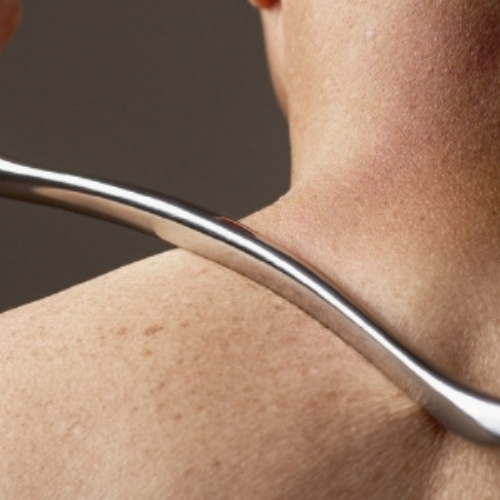
How can the Graston Technique help me?
Scar tissue is a type of fibrous connective tissue that receives less blood than normal tissue and stretches much less. It tends to be thick and may build up around the ligaments, tendons, and muscles after an injury. The buildup of soft tissue is referred to as adhesions. Injuries that may result in adhesions include shin splints, pulled hamstrings, meniscal tears and much more. When an individual is injured, adhesions and scar tissue may occur either in the tissues or in the skin.
It is believed that scar tissue and adhesions prevent the underneath body structures from moving properly. This is because ligaments, tendons, and muscles are unable to move freely. It’s problematic because scar tissue and adhesions may bend to fascia and cause a condition known as fascial restriction. Adhesions and scar tissue can also occur on a smaller scale as a result of a cross-linking of muscle fibers. Over time, even the wear and tear of everyday life can cause muscle fibers to adhere to each other irregularly. With the Graston technique, the treatment causes a muscle fiber separation, which reduces pain and increases functional mobility.
How is the Graston Technique performed?
At the beginning of a Graston Technique treatment, the areas of the soft tissue fibrosis will be moved to make the scar tissue more receptive. One of our stainless steel tools will be used to follow the affected soft tissue by gliding across the edge of the tool slowly across the skin surface until it comes in contact with an adhesion.
Our physical therapist will then rub over the adhesion to elicit movement. This friction will help promote the healing process of your soft tissue injury.
The amount of pressure used with the instrument, and the speed in which it is done will vary depending on the nature of your condition, and it will be adjusted throughout the treatment. After each treatment, the affected area will be stretched and our physical therapist will provide you with ice packs if you experience any soreness.
Most patients who receive the Graston technique will undergo two treatments a week, over a five-week time frame. You should expect to notice relief by the third or fourth treatment.
Some of the many benefits of the Graston Technique include:
- Reduction in inflammation
- Reduction in pain for better quality of life
- Boost in cellular activity for good health
- Breakdown of collagen cross-links
- Increased mobility and ability to perform daily tasks
- Increased rate of volume and blood flow to affected areas to enhance healing
How will I benefit from the Graston Technique?
Still interested in learning more about the Graston Technique? Here are some helpful facts:
- More than 31,000 clinicians worldwide use it.
- Used by more than 500 professional and amateur sports organizations.
- Used by 16 NBA teams, 18 NFL teams, 16 MLB teams.
- Part of the curriculum at more than 50 colleges and universities.
- Applied at more than 3,600 outpatient facilities.
Frequently Asked Questions About Instrument-Assisted Soft Tissue Mobilization
IASTM does not simply scrape away scar tissue. The mechanical input from the tool may temporarily affect tissue sensitivity or movement. Your licensed physical therapy provider at MVPT Physical Therapy can determine whether that response would support your goals and incorporate the technique into an individualized plan of care when appropriate.
The tool itself is not the focus of your care. Your MVPT physical therapist uses IASTM only when it supports a larger goal, such as making a mobility or strengthening exercise easier to perform. If the technique does not add meaningful value, your MVPT physical therapist can choose another approach that better supports your custom-tailored plan of care.
Temporary redness can occur after treatment. Significant bruising is not required and does not indicate that IASTM was more effective. Tell your physical therapist at MVPT Physical Therapy if you bruise easily, take blood-thinning medication, or have skin or circulation concerns so your MVPT Physical Therapy expert can determine whether IASTM is appropriate for you.
If stiffness after an injury or surgery limits your function, your expert physical therapist at MVPT can determine what contributes to the restriction. Your care plan may include mobility exercises, progressive strengthening, and movement practice. IASTM can complement those treatments when it provides a useful change that helps you progress.
Your expert at MVPT Physical Therapy may reassess your movement or have you exercise after IASTM to determine whether treatment created a useful change. If an ankle initially felt restricted, for example, your provider at MVPT Physical Therapy may reassess mobility and then use exercise to build on that improvement. This connects the hands-on treatment to the functional goals in your individual plan of care.
Your provider at MVPT Physical Therapy can select exercises based on what you want and need to accomplish. Your care plan may progress from basic mobility and strengthening to job, recreational, or sport-specific movements. IASTM may support that process, while active rehabilitation helps you build the physical capacity needed to work toward your potential.
Are you ready to get started on the path toward relief and recovery?
Contact MVPT Physical Therapy today to schedule a consultation with one of our dedicated physical therapists. We are committed to helping you heal and get back to your pain-free life!