
Lymphedema
What is Lymphedema?
The lymphatic system is an integral part of your immune and circulatory systems. If your lymphatic system is blocked, you can experience swelling of your arms, legs, and torso as the lymph fluid cannot drain properly from the body’s extremities.
Lymphedema can be, although not always, a painful and progressive condition that causes tissue, limb, or torso swelling, usually in the upper or lower extremities, from a build-up of protein-rich fluid due to blocked or damaged lymph nodes and obstructed/compressed pathways.
It can be caused by infection, cancer, genetics, obesity, or surgery, such as the removal of lymph nodes. Acute lymphedema can occur following joint replacement surgery, but the affected area should return to normal after a successful course of physical therapy.
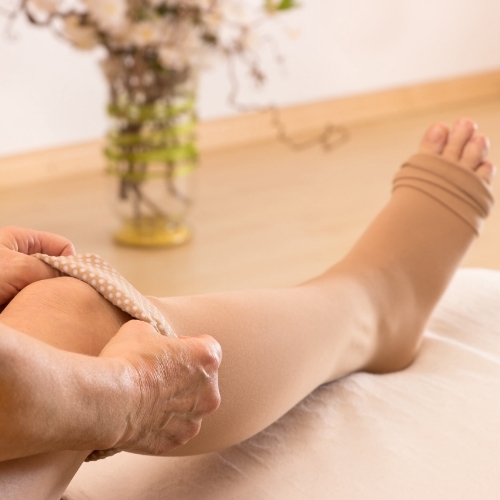
How Physical Therapy Can Help
Lymphedema can affect one’s ability to move the impacted limb and lead to additional medical issues, including skin infections and sepsis. While there is no cure for lymphedema, medical care, such as the services provided by trained physical therapists, can help.
Physical therapists trained in lymphedema management and lymphatic drainage can help patients regain function and control their symptoms. The goal of physical therapy is to help you enjoy the things you love doing without worrying about limitations caused by your condition. At MVPT Physical Therapy, we strive to help our patients manage their symptoms effectively and safely, empowering them to reach optimal health.
Causes and Symptoms of Lymphedema
Improper lymphatic drainage results in the build-up of lymph fluid, which, if left untreated, can pose potential health hazards. If you’re experiencing the following symptoms, speaking with a licensed physical therapist at MVPT Physical Therapy is a great way to learn more about managing your discomfort.
Many patients with lymphedema report feeling like their shirt is bunched up in their armpit or their pants bunched up in their groin when they can see it are not. This is common with chest and lower torso swelling that can occur in advance of swelling in the body’s extremities.
Signs and symptoms that may indicate lymphedema include:
- Restricted range of motion
- Heaviness or tightness of extremities
- Aching/discomfort
- Fibrosis
- Infections
- Swelling or feelings of fullness in upper thighs, armpit, and lateral chest/rib tissues
Physical therapists with special training in lymphedema management recognize these symptoms and will work with your medical team to provide the proper care to help you find relief.
Benefits Of Physical Therapy for Patients with Lymphedema
Physical therapists provide hands-on care for symptoms associated with lymphedema. Some of the manual therapy techniques and modalities that may be utilized include:
- Manual lymphatic drainage mobilization (i.e., therapeutic massage)
- Compression garment recommendations and limb-wrapping techniques
- Therapeutic exercises
- Complete decongestive therapy
- Education for self-management of symptoms
When combined, these services can minimize pain and swelling and improve function and mobility, helping patients live full and active lifestyles.
Frequently Asked Questions About Lymphedema
Some people develop lymphedema after lymph node removal, radiation, cancer treatment, infection, or trauma. Others have differences in their lymphatic system that are present from birth. Because unexplained swelling can also indicate other medical conditions, determining its cause is important before beginning treatment.
These symptoms do not confirm lymphedema because several conditions can cause swelling. An appropriate evaluation considers your medical history, previous surgery or cancer treatment, the location of the swelling, and how the tissues feel. Identifying lymphedema early can help you begin management strategies before swelling becomes more difficult to control.
These interventions can be combined as part of complete decongestive therapy. An important part of treatment is learning what you can do independently because lymphedema usually requires ongoing management. Your MVPT Physical Therapy physical therapist can teach you how to use compression, care for your skin, monitor changes, and incorporate appropriate exercise into your routine so you can take an active role in managing the condition.
The key is progression. If you have recently undergone cancer treatment or have been less active, your program may start at a lower intensity and gradually increase. Your physical therapist can also discuss whether you should wear compression during specific activities. People experiencing additional changes after cancer treatment may benefit from cancer rehabilitation that addresses strength, endurance, mobility, and other functional concerns alongside lymphedema management.
Sudden swelling is different. Rapid swelling accompanied by redness, warmth, fever, significant pain, chest pain, or shortness of breath can be associated with infection, a blood clot, or another urgent medical problem. These symptoms require prompt medical evaluation rather than routine lymphedema treatment.
Contact Us to Get Started
Lymphedema can significantly impact your life, but you don’t have to settle for giving up the activities you love. Contact MVPT today to learn more about our lymphedema services.