








You always focus on everyone else. Driving your friends to the airport. Or helping them move. Getting the kids to soccer practice. Then piano lessons. Then the dance recital. Making sure you buy the perfect gift for everyone on your list.
You love your friends and family, and you love helping them lead healthy, happy lives. But did you ever consider that taking time for yourself can benefit them as well?
You play an important role in the lives of those you love and care for. But, giving them the best version of you means you can’t forget about the importance of addressing your own physical limitations and aches that get in the way of your optimal health.
When detailing the safety procedures on an airplane, what’s one of the first things the pilot tells you? If oxygen masks are needed, always put on your own before helping others.
This sentiment often applies to daily life. If you take the time to fulfill your own needs, you’ll be in a better position to help those you love. But during the holiday season, who has time to engage in a self-care routine?
It’s easier than you think. And your physical therapist can help you develop a self-care plan (accounting for sleep, nutrition, physical exercise, recovery, and relaxation) that works around your schedule—no matter how busy it is!

Mindfulness occurs when you focus all your attention on the present moment. This allows you to become fully engaged in your activities, improves your ability to accept adverse events, and contributes to an overall positive outlook on life.
Mindfulness has been scientifically proven to:
The best part? You can practice mindfulness anywhere and anytime. In the car. At the mall. At the dinner table. Not sure how to get started? Ask your physical therapist for step-by-step instructions on some mindfulness techniques that could work for you or try the suggestions below.

Research has proven that spending a few minutes focusing on your breath can truly relax you. We know, it sounds simple, but have you ever really given it a try?
Can you spare 5 minutes? Good. Sit down and breathe deeply. Fill your lungs fully, exhale slowly, and repeat. Place all your attention on how each inhale and exhale feels. After a few minutes of these breathing exercises, you’ll have more oxygen running through your body, allowing the body’s natural relaxation response to kick in. Feels good, right?

We are all aware of the pressures surrounding “holiday weight gain.” This sometimes makes exercising during the holidays feel like a punishment to “work off” the decadent meals. Sometimes, just that negative connotation can make exercise seem overwhelming.
We’re here to tell you that exercise should never be a punishment. And in reality, you don’t have to do high-intensity workouts to reap all the wonderful benefits of movement!
Go for a walk with your best friend. Toss the football around with your niece during half-time. Build a snowman in the front yard. Movement boosts endorphins and can clear your head—and there are so many enjoyable ways to be active and boost your mood this holiday season.
And if pain or injury prevents you from being active, contact your physical therapist. They’ll get you set up with a tailored treatment plan so you can experience all the benefits of movement.
When you’re just focused on your lengthy to-do list, it’s easy to lose track of the joy of the holiday season. Then, before you know it, it just feels exhausting- but it doesn’t have to be that way. What do you love to do that re-energizes you? Reading? Riding your bike? Taking a bubble bath? Start to think of those things as necessary, rather than special treats if time permits. Remember—caring for yourself allows you to better take care of others.
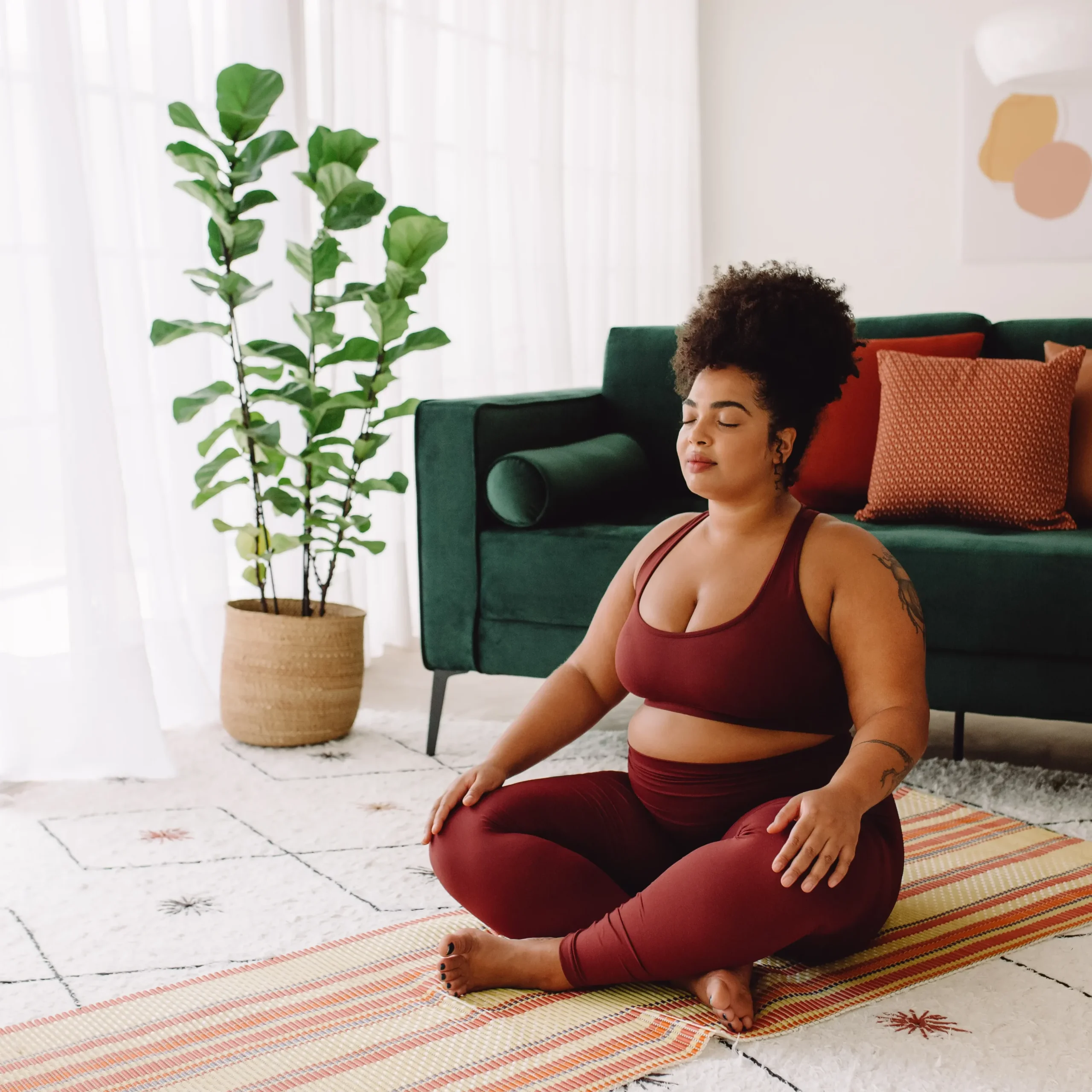
No matter how well-intentioned we aim to be, the hectic pace of the holiday season can make attending to our physical and mental needs a challenge. Restorative yoga encourages physical, mental, and emotional relaxation. Appropriate for all levels, restorative yoga is practiced at a slow pace, focusing on long holds, stillness, and deep breathing. It does not require extensive equipment, can be done in a quiet spot within your house or apartment, and can help slow breathing, reduce blood pressure, and produce a feeling of calm and increased well-being. Just what you need to help you refocus on your health.
During this busy time of year, shake out those tight muscles with some yoga. We’ve compiled a list of restorative yoga poses that encourage physical, mental, and emotional relaxation. One of the key differences between restorative yoga and other forms of yoga is that when practicing restorative yoga, you do not contract your muscles. Your muscles will feel the gentle stretch of the positions, to release tension, focus on breathing, and feel a true sense of calm.
The team at MVPT Physical Therapy is committed to helping you reach your full potential. Using a holistic approach, your physical therapist will help you build a self-care plan tailored to your unique needs.
As your partner in health, we are here to help you combat the stressors of the holidays, refill the tank, and take care of you so you can take care of those you love!
To request an appointment at MVPT, click here or call your nearest location.



2024 is nearly over and now is the time to start planning for what you want to conquer in 2025. So often we open a new year with resolutions for better health and enjoyment in life. What stops many people from achieving success is pain! This year, resolve to solve what limits your life with the help from MVPT Physical Therapy. As your partner in health, we can help you overcome longstanding pain, manage new aches, or prepare you for what might be on your bucket list in the year ahead.
As physical therapists, we are a member of your healthcare team! Our field of knowledge allows us to evaluate your current function, understand your barriers and limitations, and craft a care plan that positions you to achieve your maximum function.

Of course, physical therapists are at the ready should you suffer a sports-related injury. However, while many believe injuries are a natural part of athletics, working with a physical therapist can help reduce injuries that are associated with over-training. If you have overcome an injury, checking in with your physical therapists a few months after your return to sport is the perfect way to limit the chances of a recurrence of your injury in the future. Whether a part of a local youth sports association or a weekend warrior connecting for flag football, a physical therapist is a key teammate on your team.

Workplace injuries are extremely common in employees of all ages and abilities. With countless professions and job designations, each requires a wide range of physical demands, such as strength, endurance, flexibility, and coordination. Job duties, whether performed on an occasional, frequent, or constant basis, have lasting physical implications on the workers performing them.
Workers performing repetitive jobs, such as on an assembly line, may be susceptible to over-use injuries. Workers performing laborious activities may be more prone to musculoskeletal injuries such as strains and sprains. Whereas desk-bound employees may deal with significant hand, neck, or back pain due to improper workstation ergonomics. However you look at it, physical therapists possess special knowledge to keep workers functioning at their best.
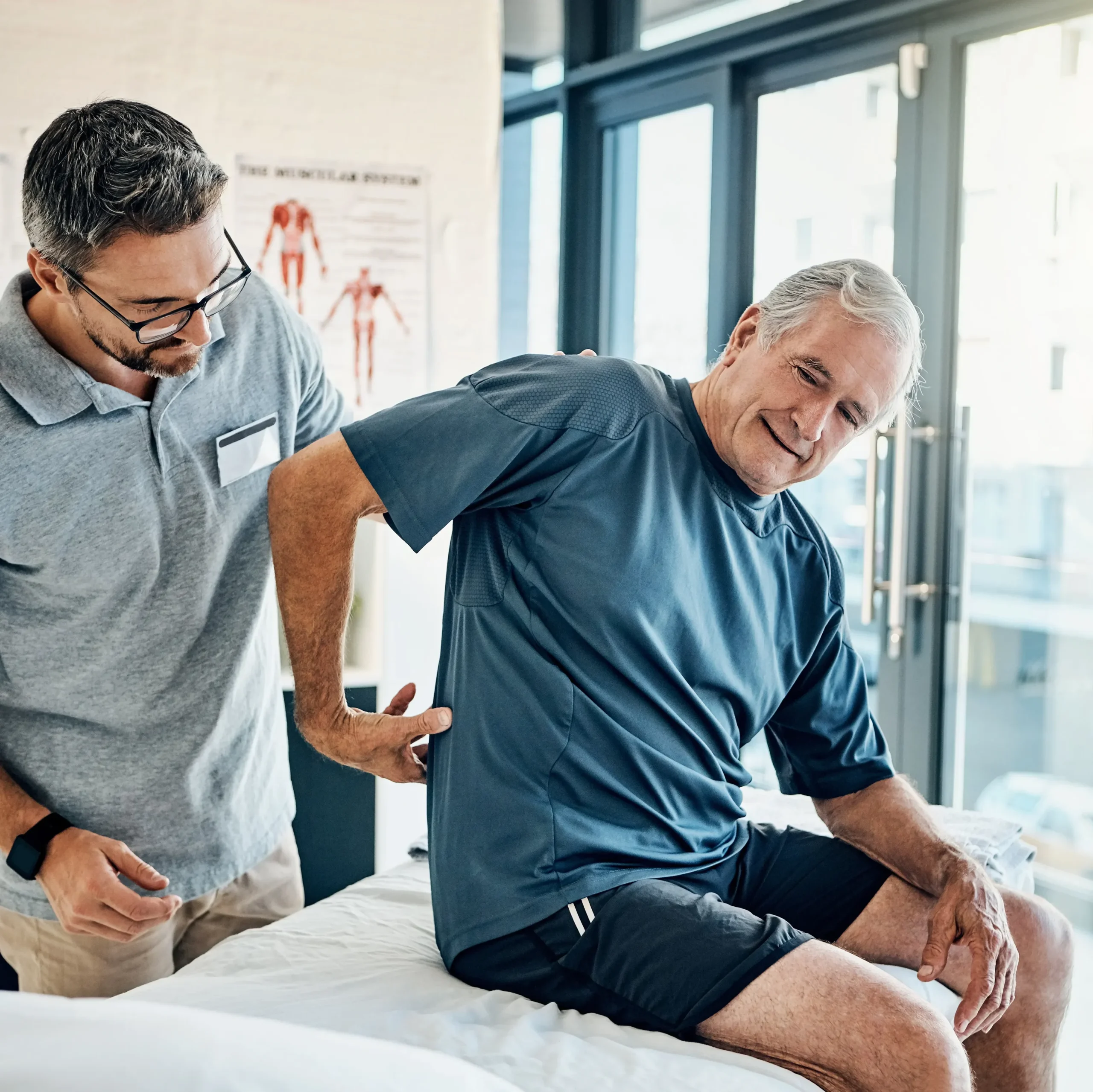
The Centers for Disease Control and Prevention (CDC) reports that falls are the leading cause of injury for this age group. Roughly 36 million adults aged 65 and older fall each year. Approximately 8 million of those individuals suffer significant injuries such as a broken bone or head injury. Outpatient physical therapy programs focused on balance and fall risk are proactive tools to keep you safe. Most insurance plans such as private health insurance, Medicare, or Medicare replacement plans cover these services.
At MVPT Physical Therapy, we utilize the most recent research to identify risks and challenges. With the results, we design a program that is tailored to improving safety and independence and giving our patients the function needed to remain active. Partnering with a physical therapist at the first signs of balance or mobility loss is essential for keeping you and your loved ones safe. We are only a phone call away when questions or needs arise.

If your doctor has suggested that surgery can help to reduce pain and improve function, ask for physical therapy first. Whether you are having a joint replacement surgery or ligament repair, such as an ACL surgery, prehabilitation (pre-operative physical therapy) can help:
At worst, it will help you gain the strength you will need after surgery. In addition, your physical therapist can address any lingering questions about your procedure. At best, it might help you to take a conservative route to a return to improved function and decreased pain. In the event you do have surgery, you’ll already know whom to call once cleared for rehabilitation.
Don’t wait for a small ache or pain to result in a major disruption in your life. Call any MVPT Physical Therapy location to schedule or click here to request an appointment.


As the winter months approach, the change in weather will bring a change in activity levels. Some people may become less active, while others increase their activity to engage in various winter sports and hobbies. There will also be more hazardous conditions that could lead to falling. We want to help prepare you for the upcoming season change, no matter what category you fall into.
Proper balance and strength training can go a long way to prevent injuries, reduce falls, prepare you for winter activities, and combat a more sedentary winter lifestyle. When it comes to fall prevention, you should consider appropriate footwear when traveling out in icy weather. It is also important to consider using an assistive device if you feel too unsteady.
If you plan to expand your activity level with winter sports, please be sure to ramp up the activity slowly, perform a proper warm-up and cool down, stay hydrated before and during, and take rest breaks when needed. Being prepared is monumental.

Below you will find some balance and strength exercises to help you prepare for whatever your winter plans may be. Caitlin L., PT, DPT, our Clinic Manager at Bay State Physical Therapy – Saugus, demonstrates how to perform them with some video clips. If you have questions or concerns about your balance, we urge you to contact your physical therapist.

If you’re unable to be as active as you would like, or you or a loved one may be at risk for falls, contact your nearest MVPT Physical Therapy location or click here to request an appointment.
