








A new year has begun, and with it, is the opportunity to take a fresh look at what you have, how you can improve habits, and pursue new goals or revisit the ones you’ve not quite fully achieved. Many New Year’s resolutions center on health and wellness. However, while you’re considering the everyday changes you can make to improve your health, why not also focus on who on your healthcare team you can count on to help you reach your wellness goals?
Physical therapists are licensed medical professionals that are musculoskeletal experts. That means they understand the mechanics of movement, and use their immense skills to get to the root cause of pain and dysfunction.

Like many people, you probably already have established medical care providers, such as your primary care physician and dentist. These providers and the care they deliver are important, but there’s another medical professional that would be a valuable addition to your team. Add your physical therapist to your healthcare team! Physical therapy is often perceived as medical care you only receive after an accident, injury or surgery, but there are so many other ways we can help too. And, when you have a physical therapist you know and trust, they can help you achieve optimal health and wellness throughout your entire life.
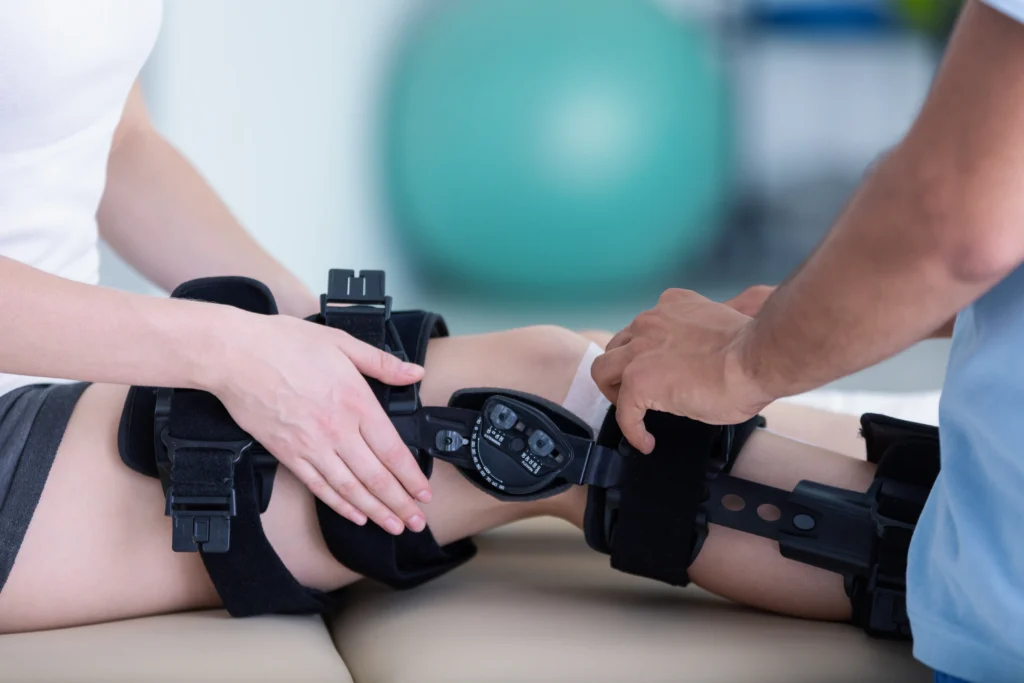
Who really has the time to deal with an injury? Physical therapists can identify imbalances or risk factors in your body that could potentially cause injury or hinder performance. Once identified, they’ll work with you to address these issues to improve your physical performance and give you the tools to avoid injuries that can take you away from your favorite activities.
Research has shown the positive impact physical therapy has on patients prior to surgery (referred to as prehab or prehabilitation). Working together with your surgeon, physical therapists can develop programs tailored to you and the specific surgical procedure you have planned to improve strength, range of motion, flexibility, and balance. These efforts can reduce the need for inpatient rehabilitation after your surgery and speed up recovery time. Furthermore, by using innovative, non-invasive techniques to reduce pain, physical therapy can often prevent the need for surgery or at least delay it to a time in your calendar that best suits your needs.

The Centers for Disease Control and Prevention reports that more than 51 million people have chronic pain. The National Spine & Pain Center describes chronic pain as “pain that outlasts what is considered a normal time course for healing.” While “acute” discomfort is the body’s initial response to an injury with symptoms that decline as the body heals, chronic pain follows a vastly different pattern and lasts three months.
Chronic pain can interfere with your day-to-day work and recreational activities, and it may have a profound effect on your ability to concentrate, relax, and enjoy life. Much like that battery-powered bunny, those symptoms keep going and going and can get worse over time if not treated accordingly.
Physical therapists use hands-on care that is proven to address the root cause of pain. Once the source of your dysfunction is identified, your physical therapist will create a customized treatment plan to target the underlying cause of the issue and reduce pain. With your goals in mind, they will help chart a course of care to get you back to the people and activities that you value most.


Add your physical therapist to your healthcare team to complement the great work done by your other care providers. When you schedule your annual check-up with your primary care doctor, or that twice-yearly cleaning with your dentist, consider thinking about what other ways you can invest in your health. Time spent in physical therapy is time invested in a one-of-a-kind treatment plan to keep you healthy, keep you happy, and keep you moving forward.



Winter in the northeast means freezing temperatures and slippery roads. On top of that, plummeting wind chills and storm advisories can make trips to the gym or get outside for activity even more challenging. Luckily, the stress of the holidays is behind us—freeing up time to focus on achieving the health and fitness goals you’ve established for 2025.
While winter weather can make it difficult to find the motivation to exercise, try to remember all the physical, mental, and emotional benefits of movement: pain management, sharper thinking, and mood-boosting to name a few! All of these are within reach with just a bit of exercise. This year, put a bit of pep in your step by embracing winter weather instead of dreading it. Here are some tips to get you up and keep you moving this season. If you need help getting started, consult with your physical therapist first.
While cold temperatures and whipping winds can make venturing outside less than appealing, take advantage of winter days when the conditions are mild enough to safely get out of your house and exercise. The shorter days of winter and lower temperatures can contribute to Vitamin D deficiencies. In addition to being invigorated by the fresh, crisp winter air, getting outside in the sunlight can improve mood and help you to get some Vitamin D—a vital nutrient for bone health! Exercising outdoors, even if it’s just going for a walk, can serve both the vitamin and fitness boost.
The more you move, the more you will sweat, even in cold weather. Therefore, your base layer should be a fabric that will wick moisture away from your skin. In addition to adding a layer to insulate your body, having multiple layers makes it easy to adjust your attire depending on the conditions and intensity of your exercise. No matter if you’re a runner, cyclist, trail walker, or heading out to shovel a snowy driveway, certain materials like wool, wind-resistant nylon, and fleece lining are designed to withstand the elements and set you up for peak performance, comfort and safety. Just because it’s cold doesn’t mean you need six layers to get through a workout, but rather the right two or three to ensure a comfortable sweat. Don’t forget to add a winter hat and warm gloves to your must-haves before heading out the door.

Fun outdoor activities aren’t reserved for the spring and summer. On a nice winter day, hitting the trails for a hike, giving snowshoeing a try, or digging out your cross-country skis are all ways to get moving. If you’re a novice, start slow and set modest goals for yourself. You could also partner up with a friend or family member who can keep you company and show you the ropes. Don’t forget the importance of a warm-up activity and some gentle stretching after your activities. Need some guidance knowing what to do to prevent injuries? Just ask your physical therapist!

If conditions outside make safety a concern, have a list of some exercise activities that you can use instead. Tune into a virtual yoga class, participate in some mindful meditation, or refer to the exercises in our monthly newsletters and emails to put together a circuit of body-weight exercises. If you’ve never tried yoga or pilates, you might be surprised at how challenging they can be. There are many benefits to expanding your exercise routine to include new activities, including:
Of course, if you need guidance based on your history of injuries, your physical therapist can serve as a resource as well.
If you’ve given up on exercising due to pain or if an injury limits your ability to be as active as you would like, schedule a visit with your physical therapist. MVPT Physical Therapy is your partner in health, and as an expert in movement, your physical therapist will help you identify the root cause of your symptoms. As you progress through your care, we will work together to identify safe exercise options that help you return to your maximum function and achieve your full exercise potential.
While it can be easy to add exercise to your list of things you’ll start tomorrow, seize the day! Your journey to better health can start today, and we’re here to help every step of the way. Call your nearest MVPT location or click here to request an appointment.



We are pleased to share some exercises and tips to help you safely navigate your shoveling duties. Andrew, G, PT, DPT, OCS, our MVPT Physical Therapy – Biddeford (Maine) Managing Partner and Physical Therapist provides us with some exercises to help you stay safe.

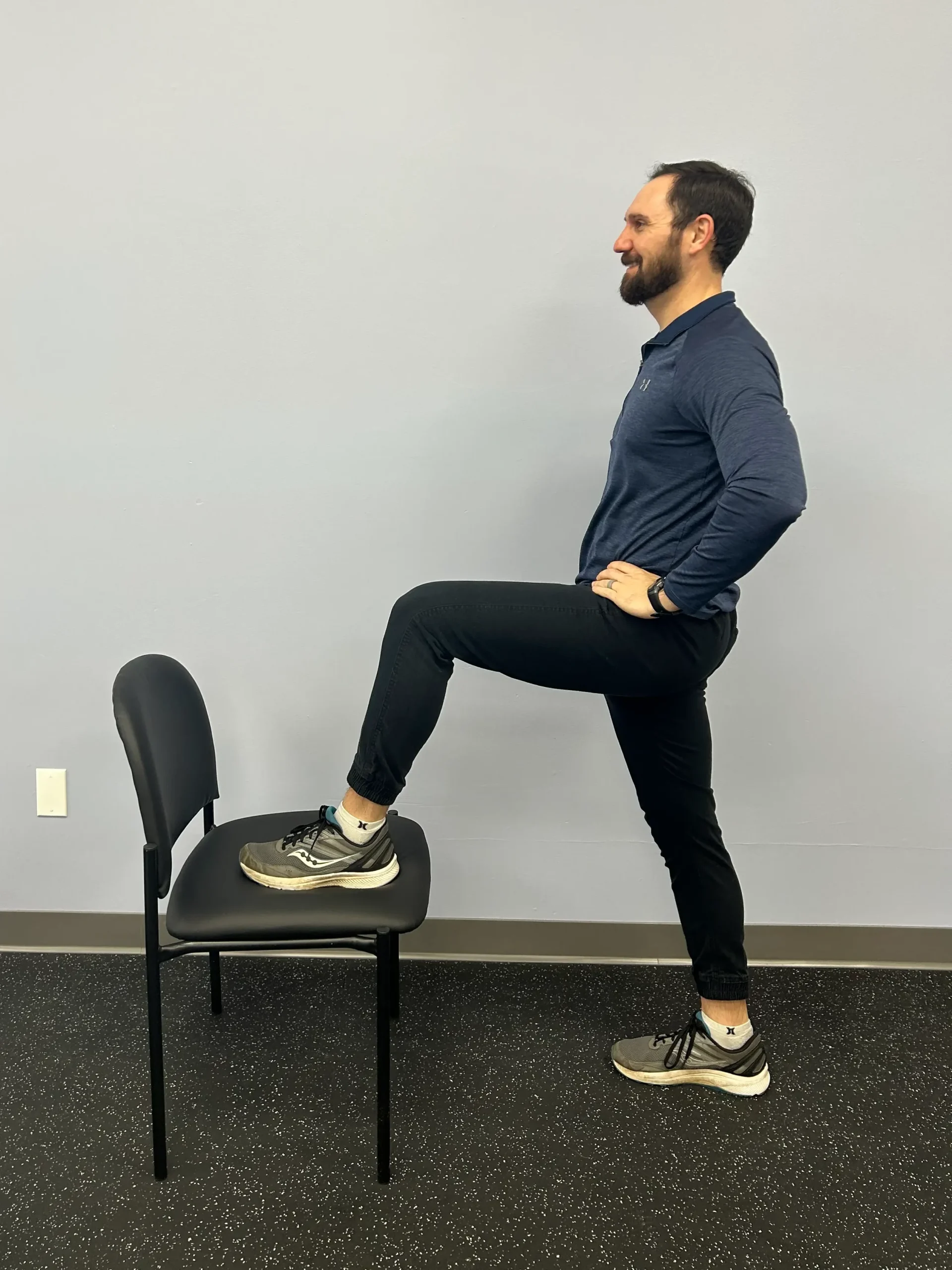
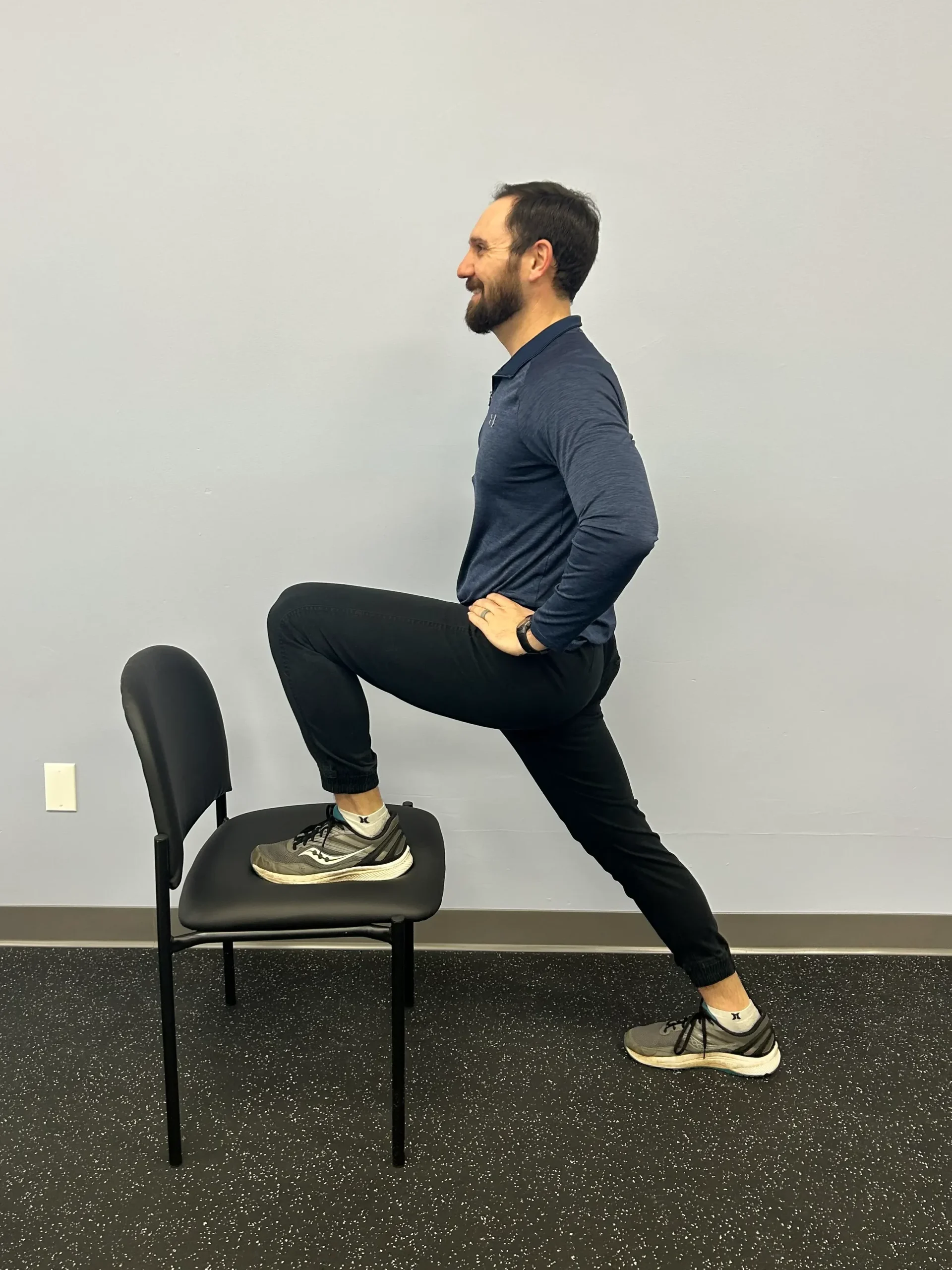
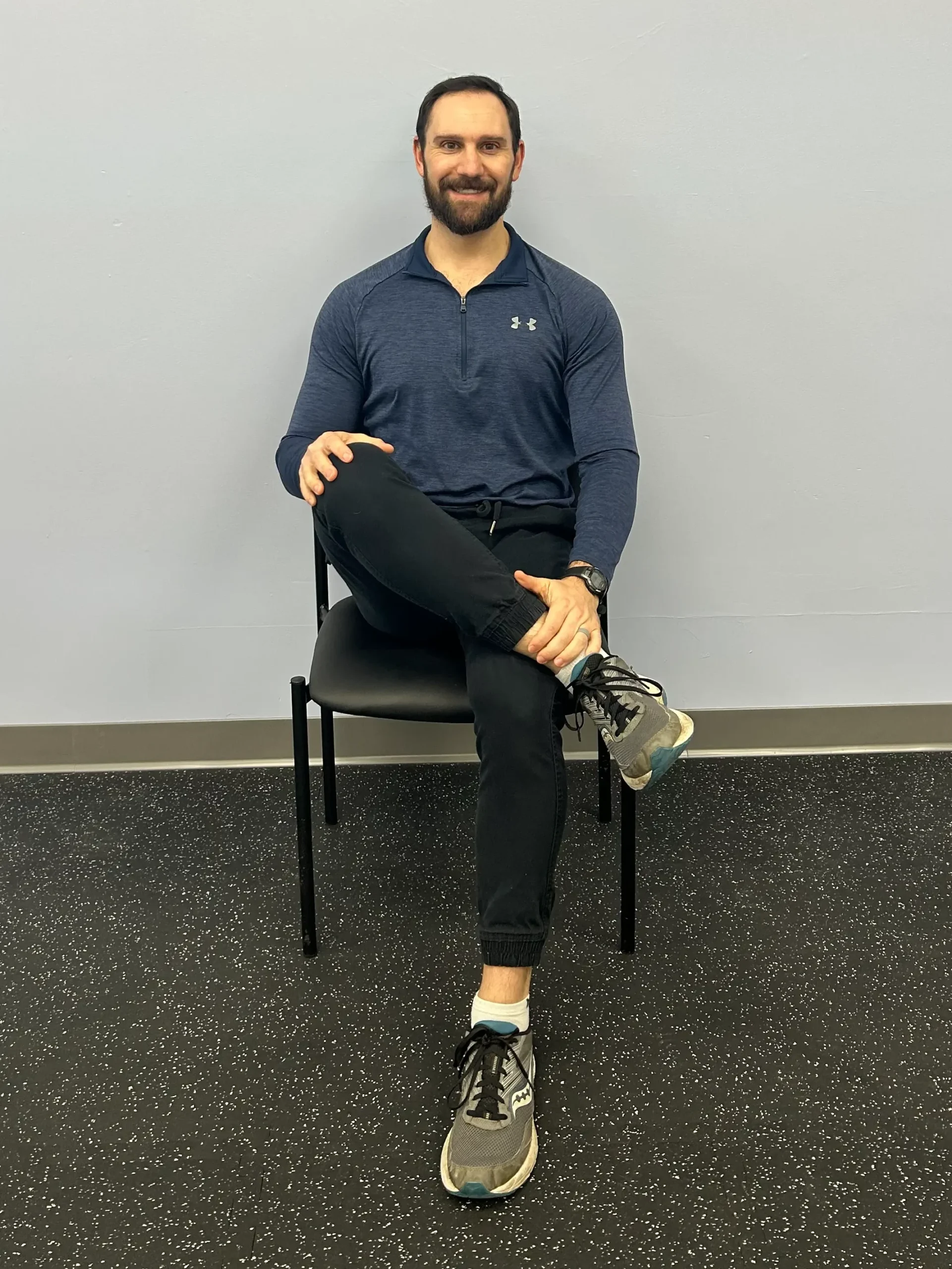
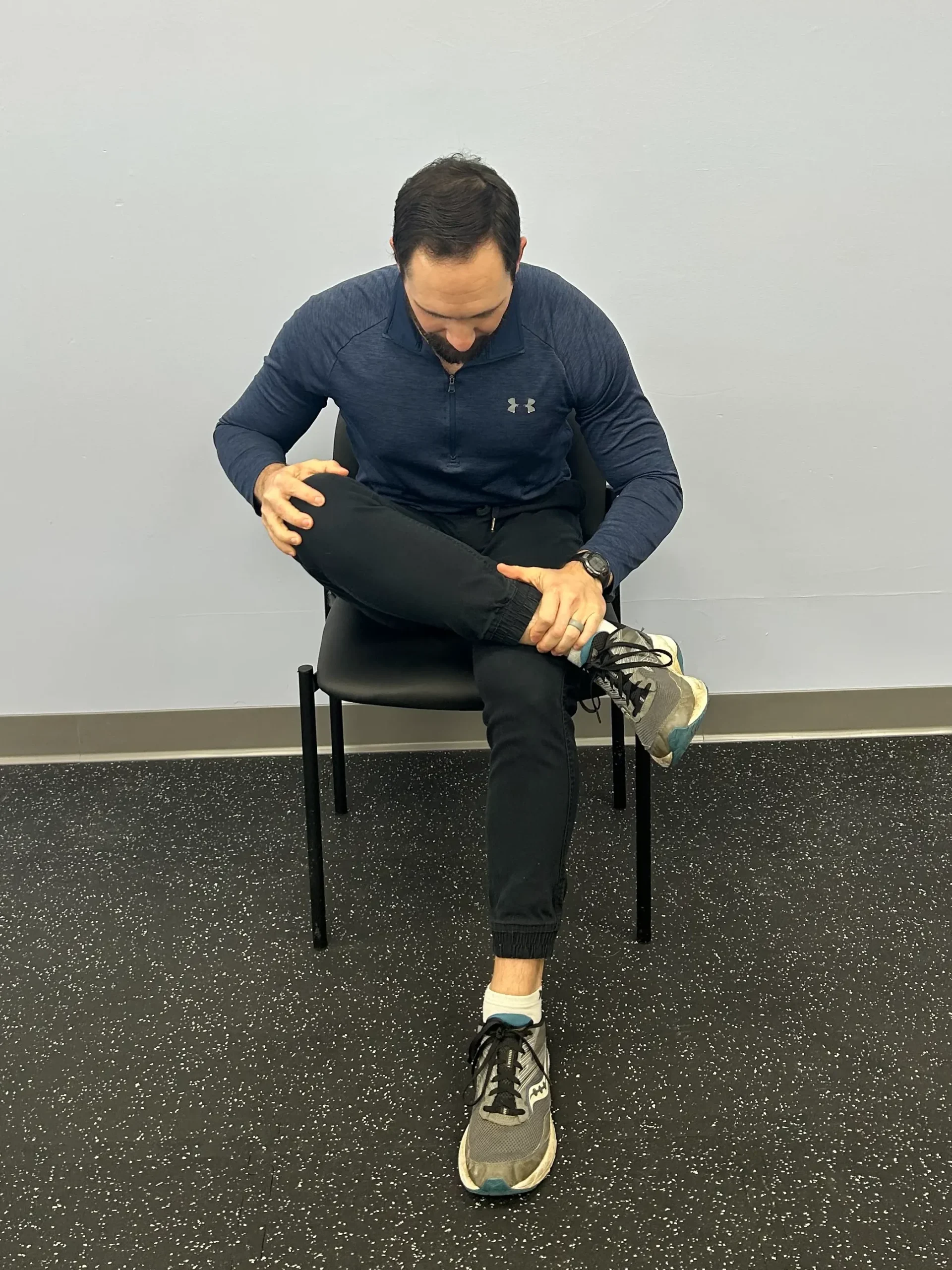
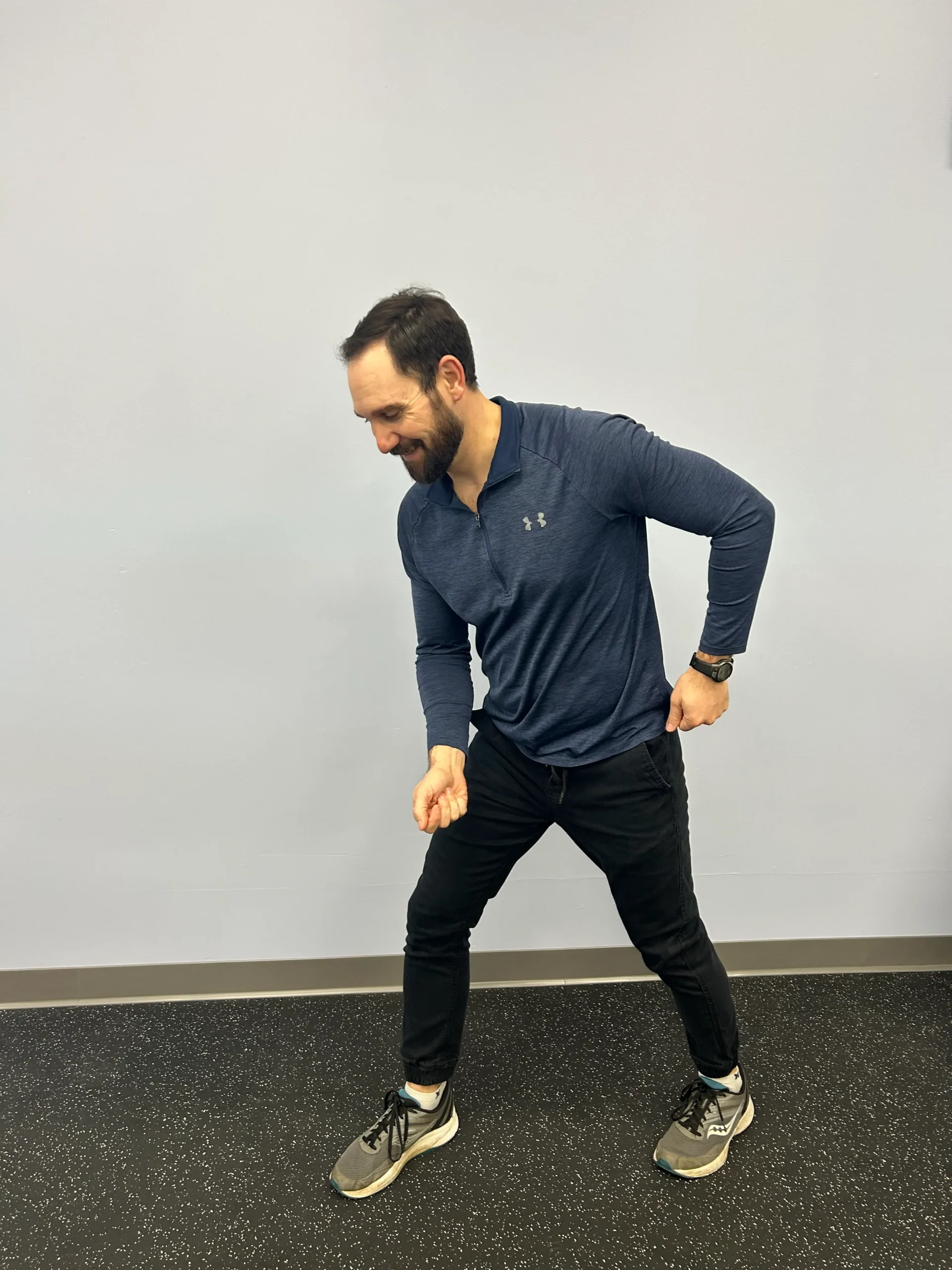
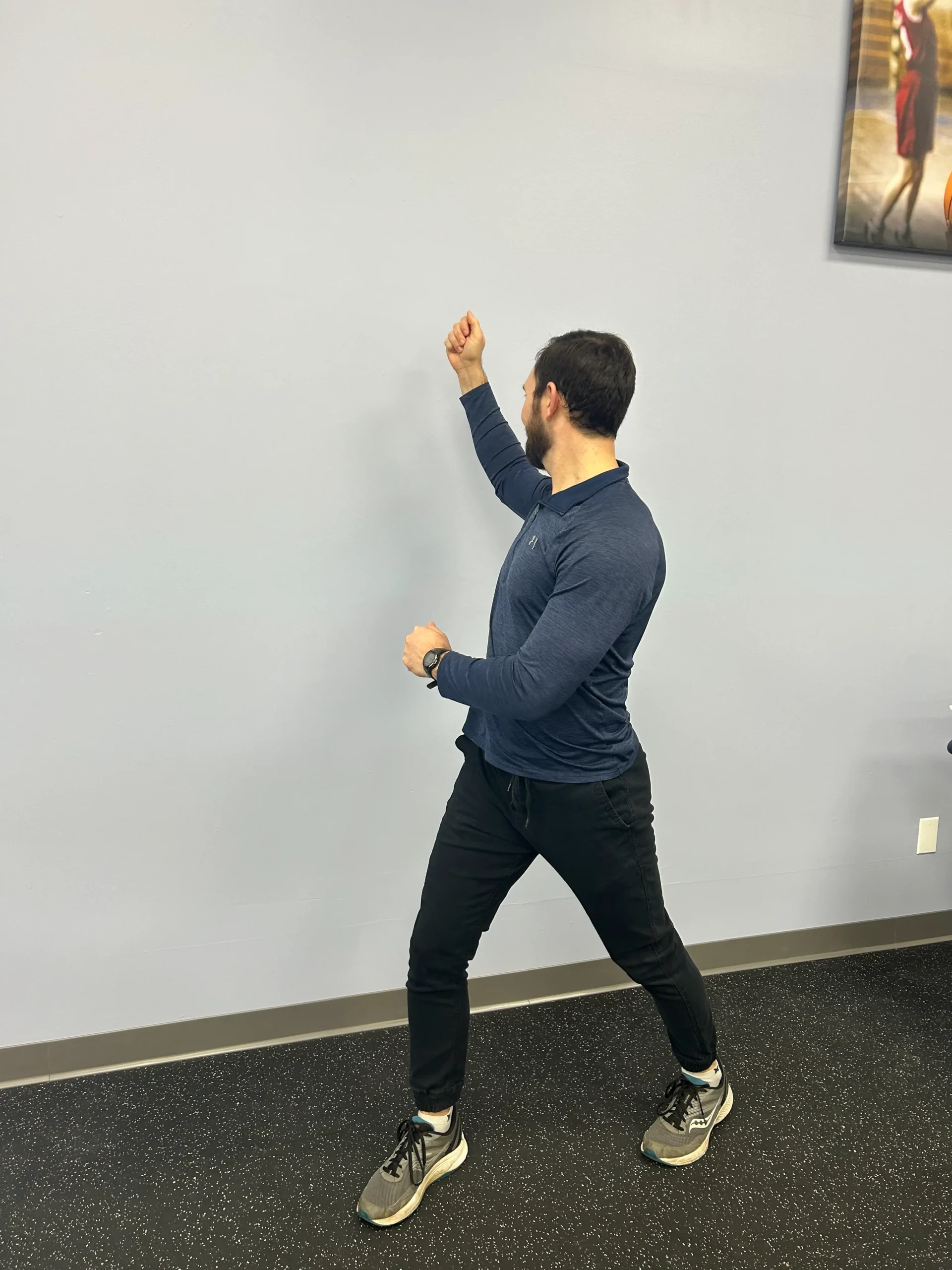
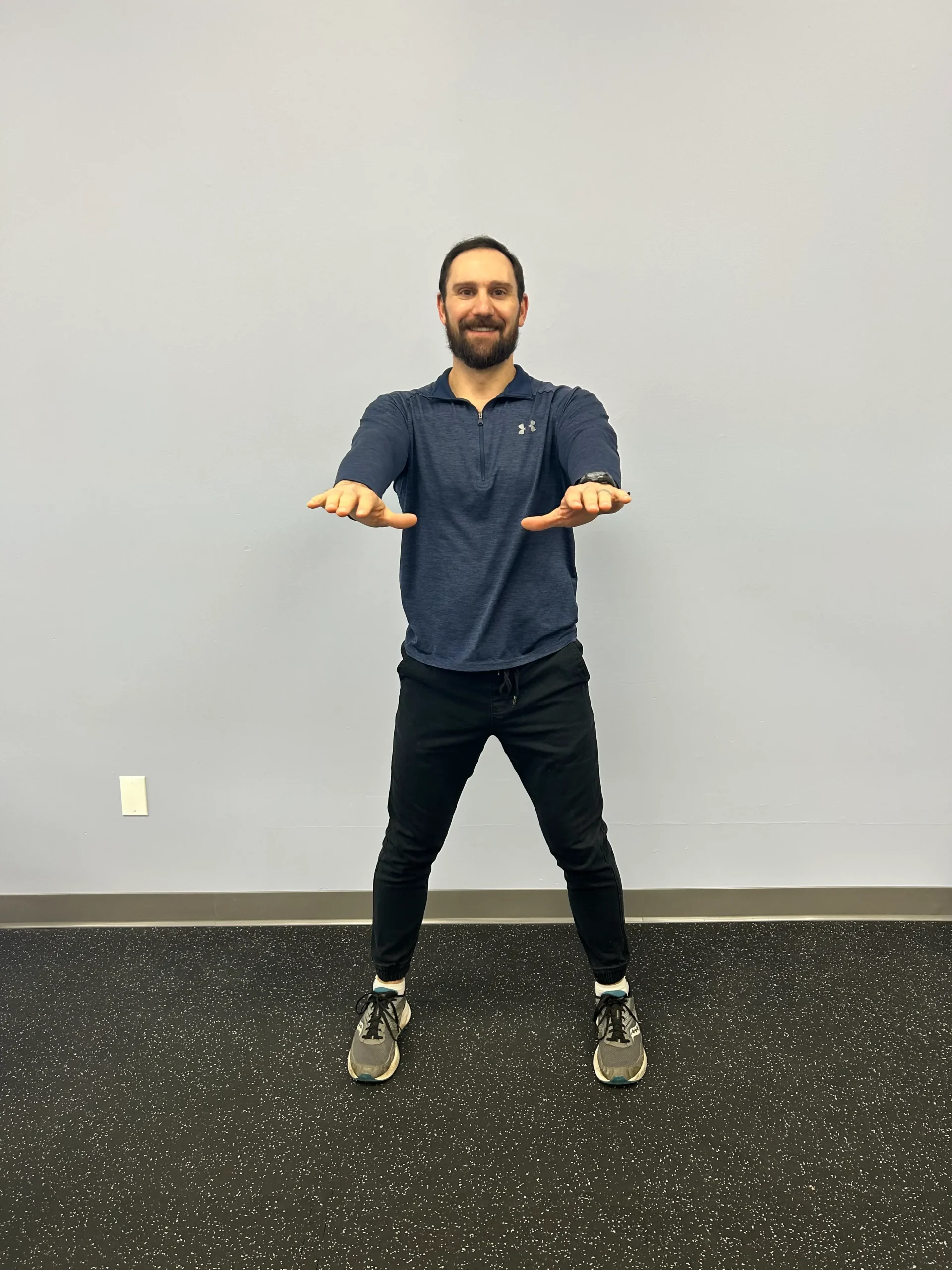
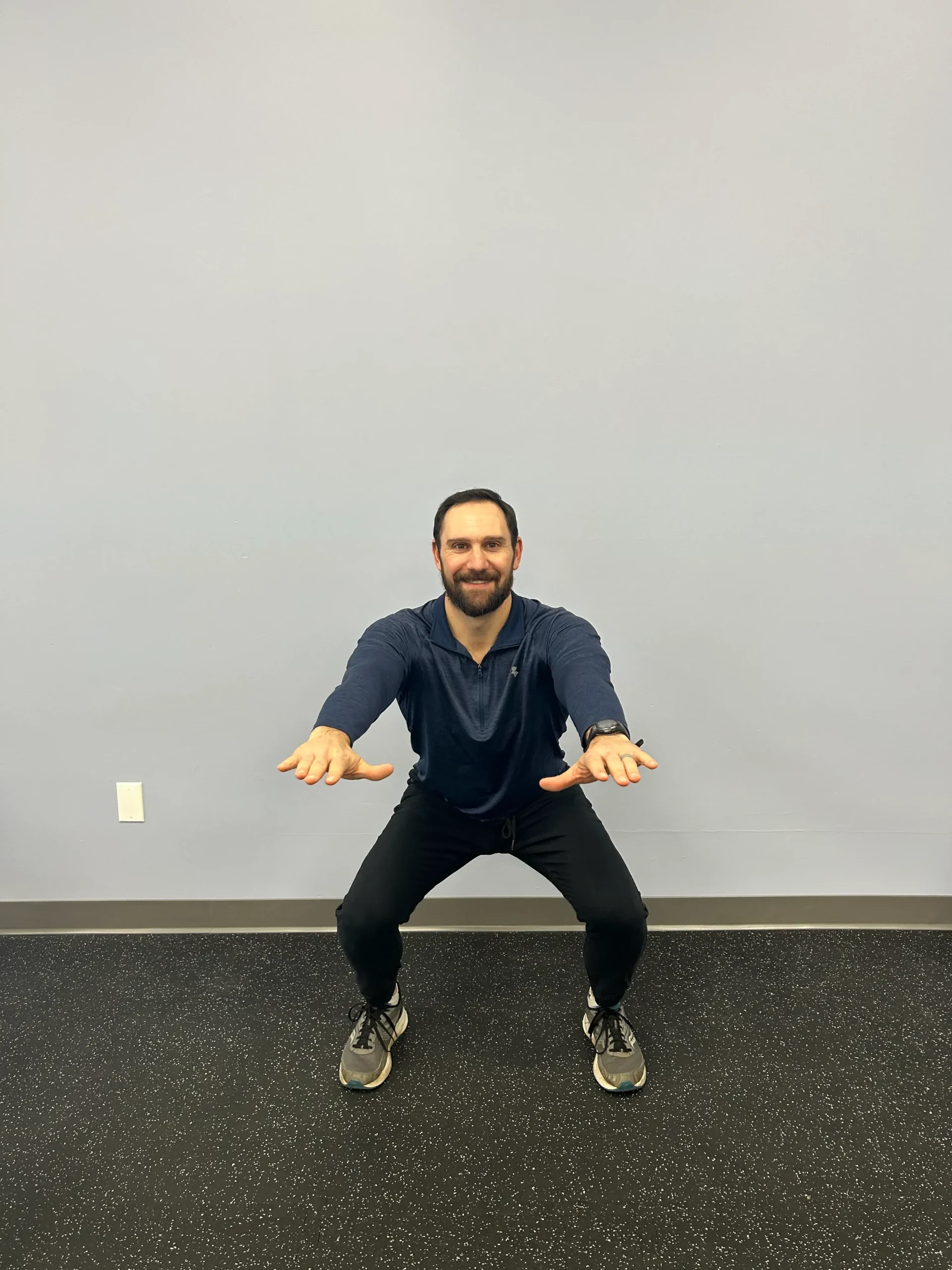
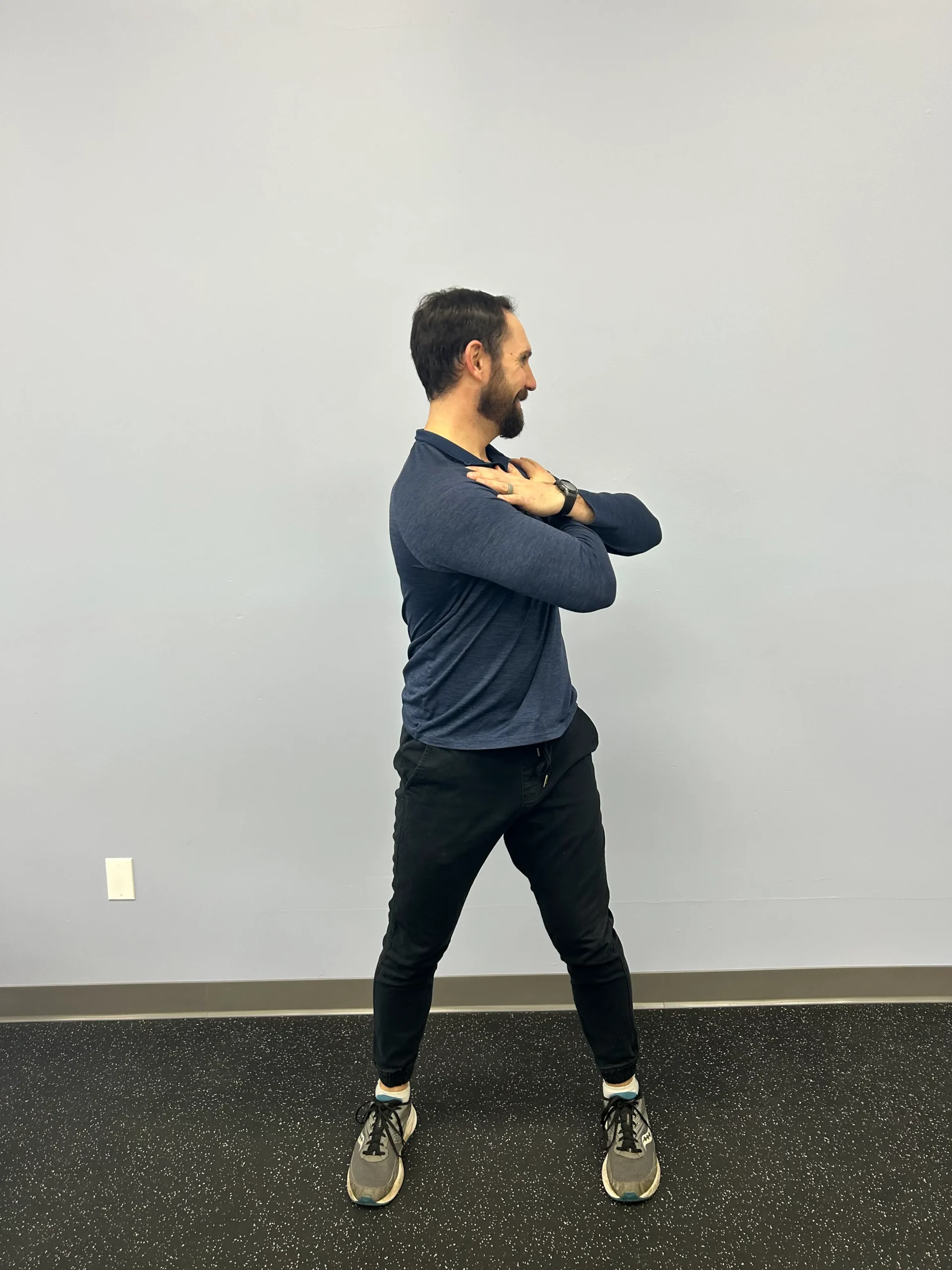
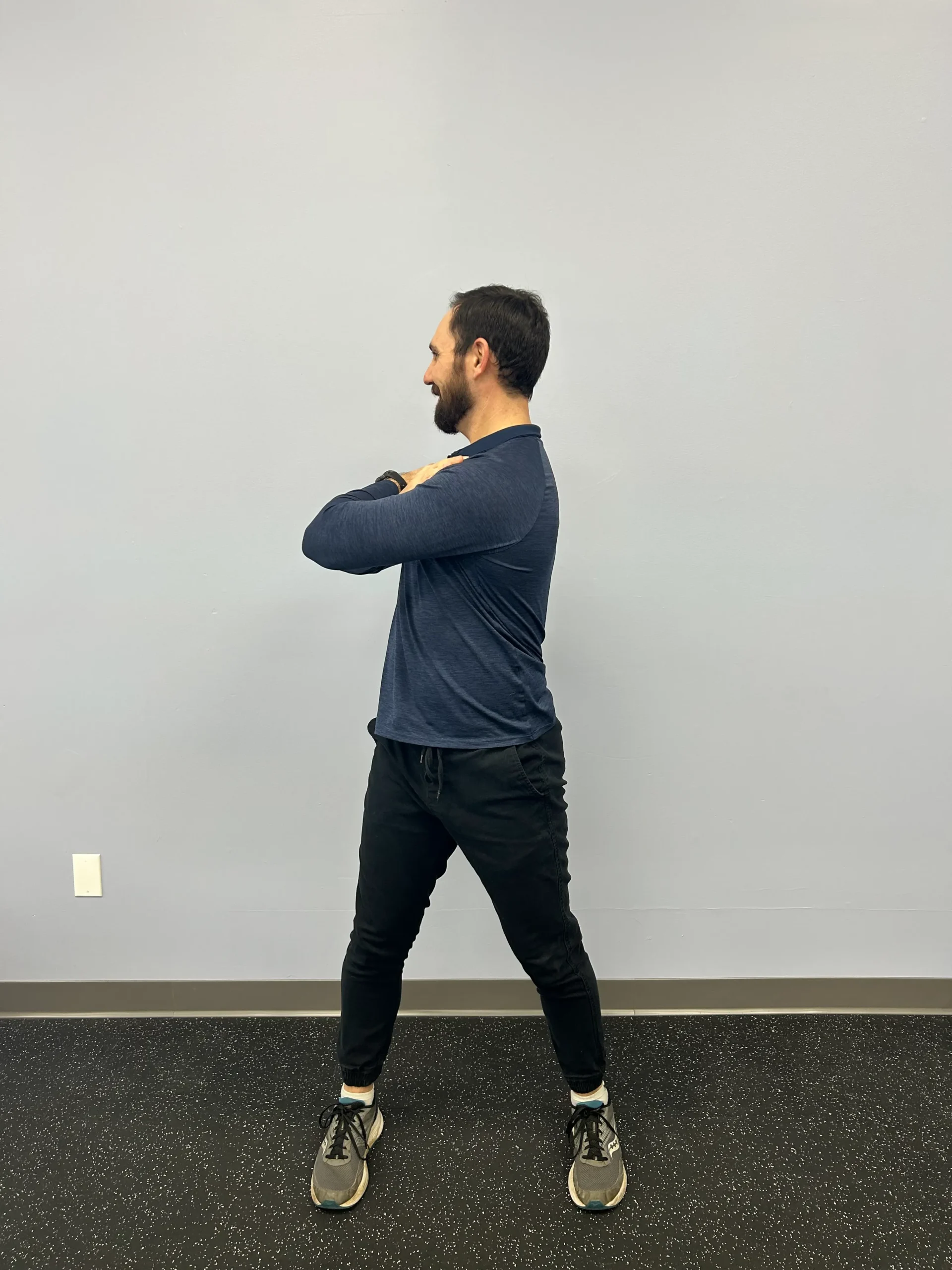
If you need help performing these stretches and exercises, please reach out to your nearest MVPT Physical Therapy clinic. If you’re experiencing any aches and pains, or you’re just looking for a partner to help you get moving again, don’t put off a visit to physical therapy—now’s the time to schedule an appointment. Call your nearest clinic or click the button below to schedule your evaluation.


When many people think of back pain, they think of just that—pain in the back. At first you ignore it, just to get through the day. Then, it makes traveling in the car a challenge, not to mention playing on the floor with your kids after work. Still, you continue to ignore it. Pretty soon you’re skipping your annual ski trip with friends because even the thought of it is too painful. It’s a slippery slope and avoiding the root cause of your pain can prolong the agony and slow your return to your normal level of activity.
Low back pain is very common. In fact, according to the American Association of Neurological Surgeons, 75-80% of Americans will experience back pain at some point during their lifetime. Of those people, 50% will have multiple back pain episodes within a year!
What else is common when dealing with back pain? Missing days of work, but many people still keep going to avoid falling behind. The impacts of the underlying pain can drastically affect productivity, as symptoms can often make concentrating nearly impossible. According to one survey, chronic back pain contributed to 16.7 minutes per day of work lost to pain. While that might not seem like much, it added up to $1.21 million in lost work for the company surveyed. In addition, chronic back pain can lead to sleep interruptions, decline in overall health, and make moving forward with your life a real challenge.

Non-invasive techniques, such as physical therapy, have been proven to reduce the symptoms of back pain. Based on the success seen in patients, The Agency for Healthcare Research and Quality has recommended that those suffering from low back pain pursue conservative forms of treatment before seeking surgical or medicinal intervention.
Physical therapy can give long-term relief from back pain by:
Your physical therapist is your partner in health and will work with you and your other medical providers to ensure you are getting the right services, at the right time during your care.
We know it can be intimidating to take the first step toward better health by coming in for a physical therapy appointment. So, to help ease your mind, here’s what you can expect!

To design a personalized treatment program, your physical therapist will:
No two people are the same, and neither are the treatment plans to help restore function. Your physical therapist will create a unique and customized plan of care that addresses your weaknesses, your preferred activities, and your baseline pain levels that caused your limitation to begin with. Your physical therapist is your partner in health, putting you at the center of your medical care.
Our goal is to empower you to actively contribute to your recovery. So, expect to be put to work early, which in turn will leave you well prepared to keep up your improved mobility once you ‘graduate’ from physical therapy. You will have all the tools needed to maintain your function well after discharge. Worried there will be setbacks along the way? Worry not! Your physical therapist is just a phone call away!

Factoring in what was discovered during your evaluation, your physical therapist will create a treatment plan tailored to your unique needs and goals. This can include:
Don’t suffer in silence—let MVPT Physical Therapy help! Using a personalized approach to your wellbeing, physical therapy can significantly improve your pain and function, enhance your body’s ability to heal itself naturally, and get you back to what you love. With locations across the northeast, you can find one of our clinics by visiting our website, or click here to request an appointment.


Physician offices and surgery centers are as busy as ever. So if you have orthopedic surgery scheduled, now is the time to start thinking about how to prepare for surgery. Physical therapy is an excellent way to ensure the best possible outcome for your planned procedure. From prehabilitation programs to advanced rehabilitation programs, MVPT Physical Therapy combines the latest medical expertise with collaborative knowledge to help you prepare for and recover from surgery.
Working with a physical therapist prior to your procedure is known as prehabilitation. There are numerous benefits to participating in ‘prehab’, including improvements in:
Prehabilitation has been shown to help patients prepare for and recover from surgery by accelerating post-operative recovery and reducing the length of time spent in the hospital after surgery.

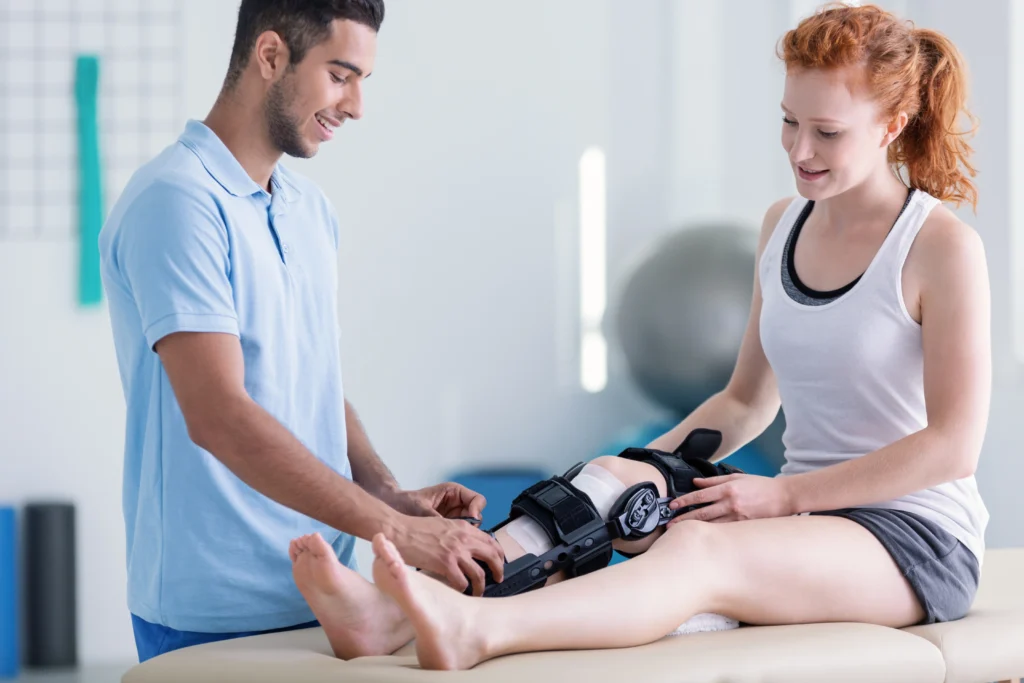
Physical therapy is one of the most effective forms of rehabilitation after surgery. Your physical therapist will work directly with your surgeon to understand the post-operative findings of your procedure. Together with you, they will establish a rehabilitation program that sets short- and long-term goals to help you return to optimal function.

Help Ensure Your Safety At Home
While the effects of the surgery still linger, daily activities can be difficult and even dangerous. Although activities like walking, showering, or getting dressed may seem easy, overconfidence in these areas could lead to setbacks in your recovery. Your physical therapist will teach you the safest ways to accomplish your activities to ensure safety.
Increase Mobility and Strength
Tightness and swelling following surgical procedures can be quite normal, however, if not addressed can lead to a lasting limit to your range of motion. Following the established rehabilitation protocol for your procedure, your physical therapist will help increase your function through innovative strength exercises, movement activities, and manual techniques.
Ease Pain and Avoid Opioids
Physical therapy is a proven method of reducing pain and is an excellent alternative to opioids prescribed after surgery. Although pain following a surgical procedure is common, the techniques utilized by your physical therapists can reduce your inflammation to allow enhanced mobility and reduced pain.
Prevent Secondary Issues
The side effects of your procedure could include secondary issues such as infections and blood clots. Understanding the nuances of your surgery and your own specific body, physical therapists will incorporate tailored movements into your recovery to prevent these dangerous side effects.

Avoid or Delay Surgery with Physical Therapy
Many conditions require surgery, but if you are dealing with pain or loss of function, ask your surgeon if you can try physical therapy first. During the evaluation process, your physical therapist will take a historical look at the origin of your pain. Taking into account your pain levels, function, and lifestyle, they will create a tailored approach to treating you. In many cases, physical therapy can successfully reduce your pain. In some cases can help you avoid surgery or at least delay your surgery to a time when it better suits your needs.
Any type of operation is a major undertaking, but you don’t have to put your life on hold. Working with your physical therapist can help you prepare for and recover from your procedure, accelerate healing, and get you back to what you love. Call your nearest MVPT office or click here to request an evaluation.