







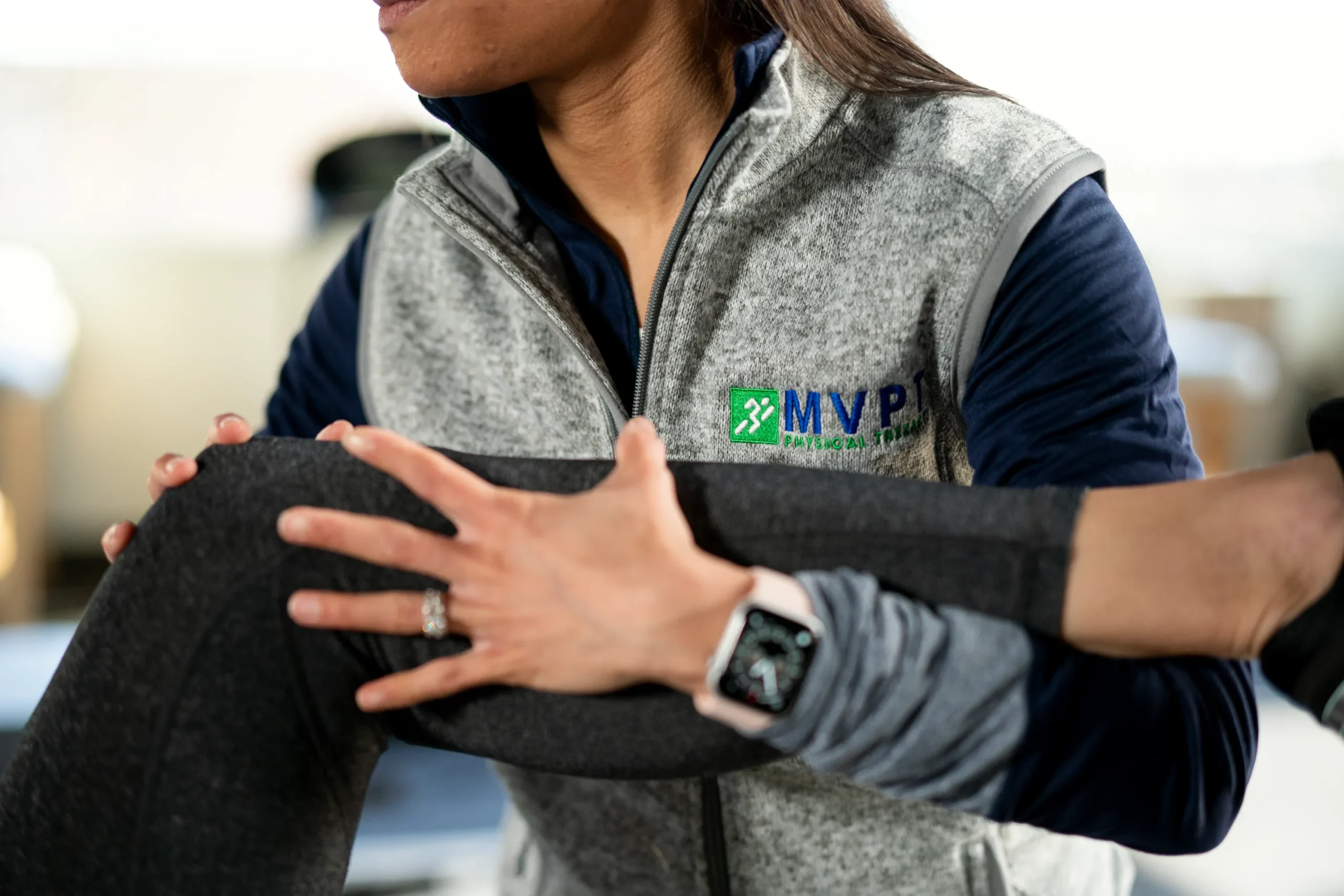
The unique challenges of long, cold winters in the Northeast can cause many people to delay routine healthcare and surgeries. For many, these surgeries are pushed to spring. In the midst of winter, now is the perfect time to chart your healthcare plan that tackles any outstanding aches and pains, especially if your future includes surgery.
While advancements in surgical procedures have improved the lives of millions of people around the world, surgery is still a massive undertaking and can come with significant side effects, financial burdens, and extensive recovery periods.
In some cases, physical therapy can be used to avoid surgery altogether. However, when surgery is necessary, working with a physical therapist before surgery can prepare your body for the upcoming procedure and contribute to a speedier recovery! And, when you plan ahead, you can also be certain you’ll have the access needed to start rehab after your surgery, so you can stay on-track with your recovery timelines.
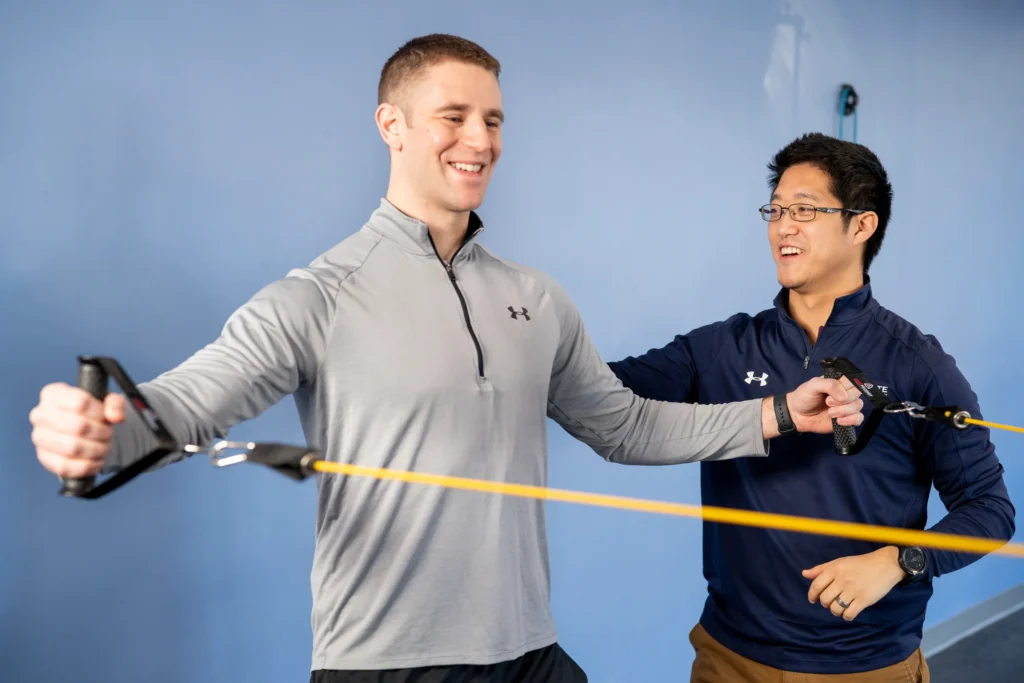
If you’re experiencing pain or considering surgery, we encourage you to talk to your medical provider about trying physical therapy first, or as we like to say “PT First.” Working with a physical therapist at the first sign of pain can reduce inflammation, pain, and reliance on pain medications while restoring function. Do you have surgery scheduled in the coming months? Early physical therapy may improve your symptoms now so you can delay the procedure to later in the calendar year when it may suit your schedule better. Enlisting the help of a physical therapist before surgery can also optimize your post-surgical outcomes!
Prehabilitation consists of a carefully crafted therapy program that prepares your entire body for surgery. Working with a physical therapist before surgery can be incredibly beneficial.
In the weeks or months before surgery, prehabilitation helps improve your:
With its significant effects on function, mobility, and strength, prehab has been shown to accelerate post-operative recovery and reduce time spent in the hospital after surgery. That’s a win for everyone!

When many people think of physical therapy, care after injury or surgery comes to mind. Physical therapy is one of the most effective forms of rehabilitation after surgery. Your physical therapist will work directly with your surgeon to understand the findings and outcome of your operation. Using this information, they’ll work collaboratively with you to establish a program that sets short- and long-term goals to help you return to optimal function and the activities you love.
During rehabilitation, physical therapy can:
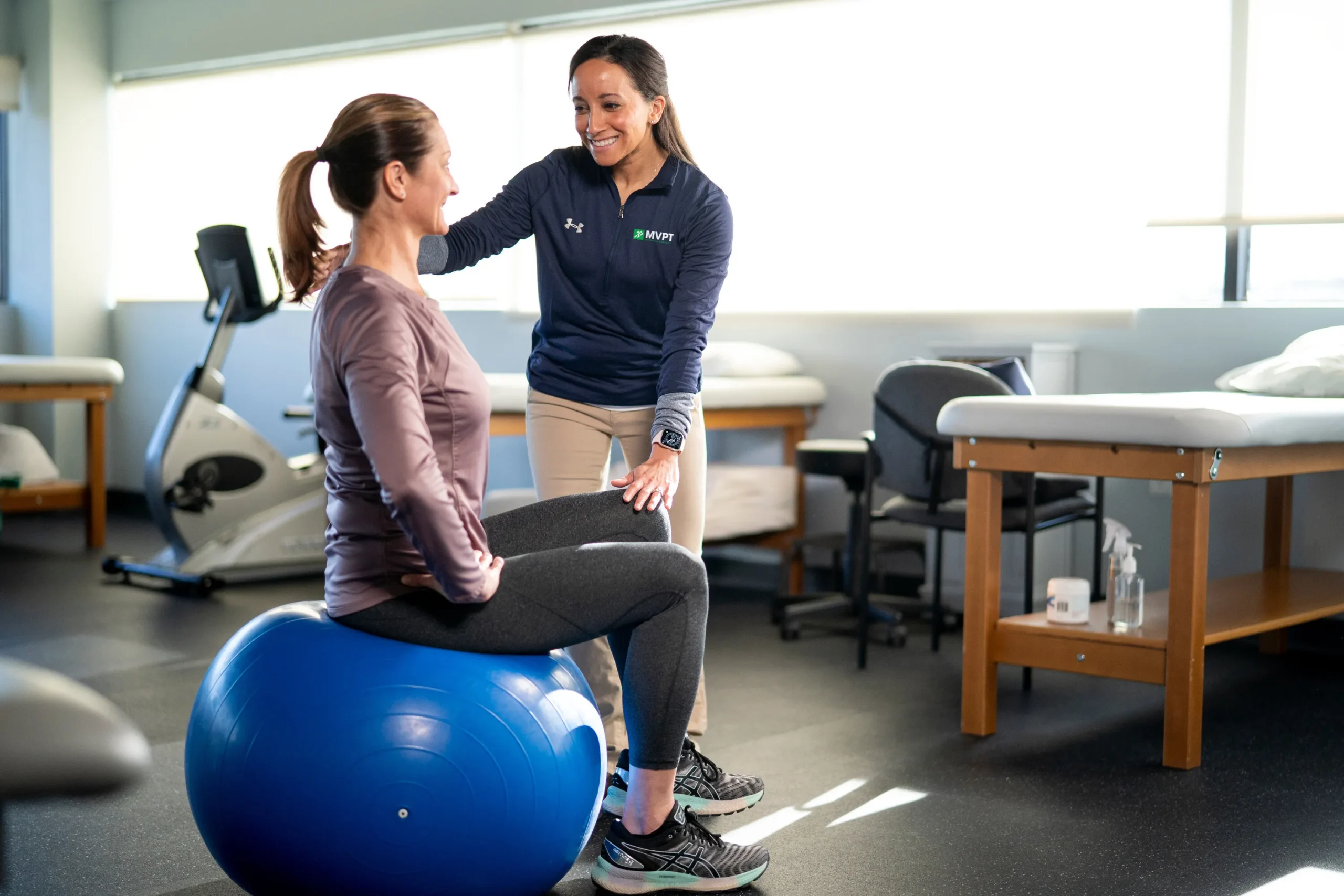
Many conditions require surgery, but if you’re dealing with pain or loss of function, ask your surgeon about physical therapy first. Pain relief through physical therapy is achieved through a variety of treatment techniques. When combined, these techniques:
As a member of your medical team, we can work with you and your physician to help manage your pain and lessen a reliance on pain medications. Opioids used to treat pain aren’t part of a long-term solution to address the problem. In contrast to opioids, physical therapy adopts a very different approach. Instead of merely numbing the pain like opioids do, physical therapy seeks to identify and address the underlying cause of the discomfort. Physical therapists are trained to assess movement patterns, muscle imbalances, postural issues, and other factors that contribute to pain. By targeting these root causes, physical therapy aims to promote healing, restore optimal function, and alleviate pain from its source.

The ability to move, be active, and maintain independence is crucial to your health and quality of life. For some individuals, pain makes movement challenging. In fact, the number one reason people seek healthcare is due to pain! Wherever you are in your healthcare journey, the MVPT Physical Therapy team will provide hands-on care and patient education to help you overcome pain, prepare you for what’s to come, and gain the freedom to live a full and motion-filled life. Call any MVPT Physical Therapy location to schedule an appointment or click the button below to submit an appointment request form.



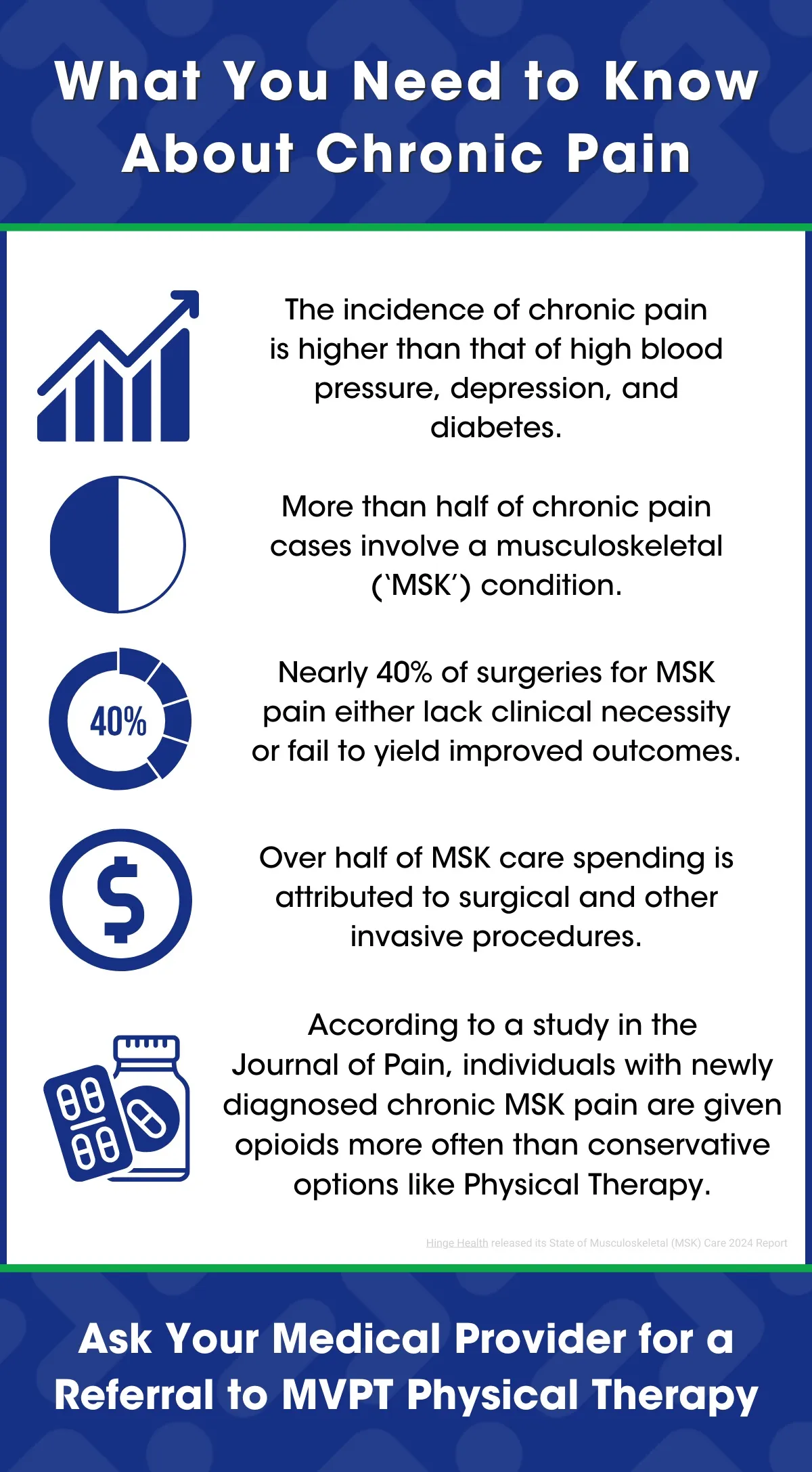
The National Spine & Pain Center describes chronic pain as “pain that outlasts what is considered a normal time course for healing.” More specifically, pain is considered “chronic” when symptoms persist beyond three to six months. While “acute” pain is the body’s initial response to an injury with symptoms that decline as the body heals, chronic pain follows a very different pattern. Much like that battery-powered bunny, pain keeps going and going, and can get worse over time if not treated accordingly.
Three of the most commonly reported chronic pain conditions in the United States are:
Chronic pain often originates in the musculoskeletal system, which includes muscles, joints, bones, and connective tissues. It can manifest as back pain, joint discomfort, nerve issues, or even recurring headaches. Below are some of the primary causes of chronic pain and how physical therapy can help:
Physical therapy provides a non-invasive, effective approach to addressing both acute and chronic pain. Whether you’re recovering from an injury, surgery, or managing a long-term condition, physical therapy can help you regain control, restore mobility, and enhance your quality of life.

No two individuals experience pain in exactly the same way. Chronic pain is complex, often stemming from various underlying causes, and it can evolve over time. Our experienced physical therapists take a personalized approach, helping you understand the root of your pain and how it has changed.
When chronic pain limits movement, it can trigger a cycle of inactivity that leads to further physical challenges. Muscles may weaken and shrink (a process known as atrophy), and joints can become stiff and difficult to move. Over time, these changes can make even small movements feel overwhelming, reinforcing the cycle of discomfort and inactivity.
Physical therapy plays a crucial role in breaking this cycle. By combining targeted exercises with expert guidance, physical therapy helps improve strength, mobility, and overall function without relying solely on medication. Your care plan may include:
Our goal is to help you regain control, improve your quality of life, and reintroduce the activities you love, one step at a time.
Physical therapy is a proven and trusted approach to pain management that stands apart from medication-based solutions. By identifying and targeting the underlying causes of symptoms and focusing on the body’s ability to heal itself, physical therapy empowers individuals to gain control over their pain and promotes healing.
Physical therapy can help reduce pain, improve movement and health, and reduce opioid usage. Here’s how:
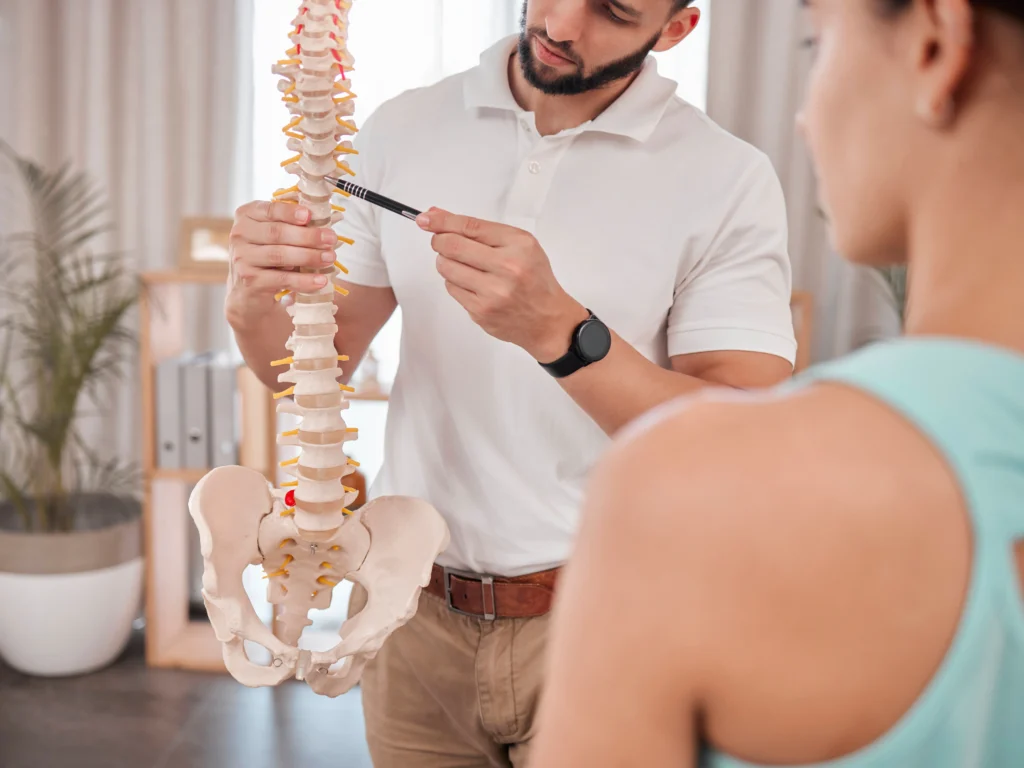
Physical therapy offers various techniques to address pain directly. Manual therapy, including joint mobilization, can help reduce pain and restore proper movement patterns. Therapeutic exercises, tailored to the individual’s specific needs, strengthen muscles and increase flexibility, which can alleviate chronic pain over time. Additionally, modalities like trigger point therapy, dry needling, and electrical stimulation (‘E-stim’) can temporarily relieve pain and inflammation, reducing the need for pain medications.
Pain often restricts movement and limits daily activities. Physical therapy focuses on restoring optimal movement and function through targeted exercises and interventions. Therapists utilize specialized techniques, such as stretching, strengthening exercises, and balance training, to help individuals regain strength, mobility, and coordination. By addressing movement impairments, physical therapy enables individuals to resume their daily routines and activities, promoting a healthier and more active lifestyle and further reducing the need for prescription medications to do so.
One of the most significant aspects of physical therapy is patient education. Physical therapists provide valuable knowledge about the body, pain management strategies, and self-care techniques. This highly personalized education empowers individuals to take an active role in their own recovery and make informed decisions about their health. By understanding the mechanisms behind their pain and learning how to manage it effectively, patients can avoid unnecessary reliance on opioids and use their newfound knowledge to promote long-term well-being.
Physical therapy takes a comprehensive approach to healing, focusing on the physical and mental aspects of health and well-being. Physical therapy aims to improve the patient’s overall quality of life by addressing the entire person rather than just their symptoms. PTs work closely with patients, considering their unique circumstances and goals, to develop a personalized treatment plan. This comprehensive approach ensures that patients receive the individualized care they need to achieve long-lasting pain relief and improved health.

Long-term use of OTC and prescription pain medications can have devastating effects, leaving individuals unable to break the cycle of pain. However, there is hope. Physical therapy offers a medication-free and holistic approach to pain management. By reducing pain, improving movement and function, and empowering patients through education, physical therapy is a compelling alternative to prescription pain medications.
If you are suffering in pain, it’s time to take control of your healthcare. Talk to your medical provider about the benefits of physical therapy to treat your pain. Working together, we can improve your health and well-being and build healthier communities along the way.
Call any MVPT Physical Therapy location to schedule an appointment or click the button below to submit an appointment request form.

In our fast-paced, technology-driven world, it’s easy to find ourselves hunched over screens for hours on end, leading to discomfort, tension, and a host of health challenges. Not only can neck pain affect our physical well-being, but it can also impact our mood, productivity, and overall quality of life. This month’s exercises focus on relieving neck pain and addressing poor posture.
Understanding that neck pain often stems from a variety of factors—be it poor ergonomics, muscle imbalances, or stress—is crucial. This is where physical therapy plays a pivotal role. Our trained professionals can help identify the root cause of your pain, providing hands-on care and tailored exercises and stretches to alleviate discomfort and restore function. By addressing these underlying issues, we empower you to take charge of your health.
This month, Eric B., PT, DPT, AT, MA, our Clinic Manager and Physical Therapist at Bay State Physical Therapy – North Providence, has curated a selection of exercises and stretches aimed at strengthening and stretching the muscles that support your neck. These exercises are designed to help you achieve better alignment and promote ease of movement.
Don’t let neck pain hold you back! Incorporating these exercises into your routine can pave the way for lasting change and rediscover the joy of movement. Let’s take this step together, building resilience and well-being, one stretch at a time. Your body will thank you!

Eric joined Bay State Physical Therapy – North Providence after three years with the New England Revolution organization as the Director of Sports Medicine & Head Athletic Trainer and later as the Director of Clinical Education at a PT clinic in Attleboro, MA. Eric has advanced certification as a Board-Certified Clinical Specialist in Sports Physical Therapy and has extensive experience treating injuries in athletes and non-athletes. Eric earned a master’s degree from UNC-Chapel Hill in Exercise & Sports Science and a Doctorate in Physical Therapy from Belmont University.
Eric was previously the Head Athletic Trainer and Director of Performing Arts Medicine at Appalachian State University in Boone, NC, where he worked with the varsity athletes, the Department of Theatre & Dance, the School of Music, and the local amusement park. Eric is a published author and has completed lectures locally and internationally across multiple topics.



Neck pain is more than just a nuisance—it can disrupt your daily life, making it difficult to drive, sleep, work, and care for your family. Yet, despite how common neck pain is, many people live with discomfort far longer than necessary. In fact, research shows that 30% of Americans experience neck pain each year, and for nearly half of them, the pain becomes chronic or returns frequently.
The good news? You don’t have to endure neck pain or let it limit your lifestyle. Physical therapy offers a safe, effective path to relief that targets the root cause of your pain and restores your ability to move and live well.

Neck pain can arise from a variety of issues. Common causes include:
While some neck pain may be mild and short-lived, it can also become severe or chronic. If you notice symptoms like numbness, stiffness, or headaches that persist, it’s time to take action.

When neck pain is left untreated, it can lead to:
Waiting for the pain to “go away on its own” may seem easier in the short term, but it can prolong your discomfort and limit your ability to enjoy life.

Physical therapy is a powerful solution for neck pain because it addresses the cause of your discomfort, not just the symptoms. Here’s how a personalized treatment plan can help:
A physical therapist uses techniques like manual therapy, including cupping, dry needling, and joint mobilization, to reduce muscle tension and improve movement. These methods provide relief without relying on pain medication.
A key part of your plan will include targeted exercises to strengthen the muscles that support your neck and increase your range of motion. This helps prevent future pain and injury.
Physical therapists teach strategies for improving posture and body mechanics. Whether it’s adjusting how you sit at your desk or sleep at night, these small changes make a big difference.
Every treatment plan is unique. Your physical therapist will work with you to set personal goals—whether that’s playing with your kids, getting back to your morning workouts, or simply feeling comfortable while driving.

If you’ve never seen a physical therapist before, here’s what you can look forward to:
Your first visit sets the foundation for long-term success. You’ll leave with confidence, knowing that your care team is dedicated to helping you feel your best.
Don’t let neck pain hold you back from the activities you love. With physical therapy, you can take charge of your recovery and improve your quality of life. Schedule your evaluation at MVPT Physical Therapy today and discover how our expert care can help you feel and move better.
Your path to pain relief starts now!