


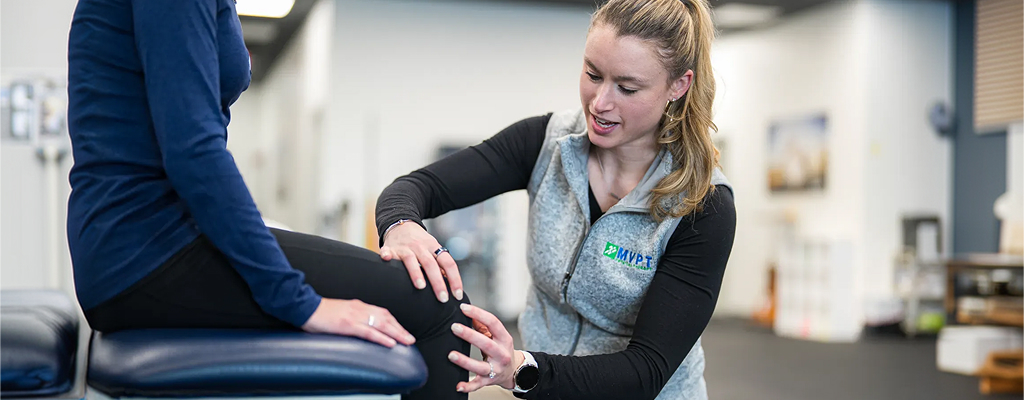





Joint pain is a common issue that can significantly impact your quality of life, especially as you age. In a recent national survey, about one-third of adults reported experiencing joint pain within the past 30 days. The most frequently reported areas of discomfort were knee, shoulder, and hip pain. While the pain may be tolerable initially, before you know it, you might find yourself sitting on the sidelines while your loved ones continue their adventures.
If you’ve started to feel like you’re missing out on what you need and want to be doing, it’s crucial to explore your healthcare options now. Proactive intervention is key when it comes to joint pain. While conservative treatments such as physical therapy and lifestyle modifications are often the first line of defense, they may not always provide long-term relief.

For many people, the right physical therapy program can make a world of difference—no surgery required. Even in the presence of arthritis, physical therapy can reduce pain, improve strength, and restore mobility, allowing you to stay active and independent. In fact, research shows that starting with physical therapy may delay or even eliminate the need for joint replacement surgery. It’s a safe, proven, and empowering first step in managing joint pain and getting back to the things you love.
Since joint pain can stem from several different sources, obtaining an accurate diagnosis is crucial. Physical therapists and orthopedic surgeons have the training and experience to investigate the cause of the pain and conduct thorough joint examinations to pinpoint the issue. Additional studies, such as X-rays and MRI scans, are often needed to differentiate soft tissue, cartilage, and bone problems.
If the pain is attributed to joint arthritis, physical therapy becomes an invaluable tool in managing joint discomfort. Physical therapy can aid in strengthening muscles and enhancing mobility, providing significant relief. However, it’s important to understand that it cannot reverse the effects of a degenerated joint. Factors contributing to joint issues, such as arthritis, osteonecrosis, and trauma, cannot be fully rectified by physical therapy alone. Additionally, factors like age, gender, and obesity can heighten the risk of joint damage.
When conservative treatments such as physical therapy fail to provide relief, joint replacement surgery may be a viable option to restore function, relieve pain, and allow you to live the active lifestyle you desire. As your partner in health, our MVPT Physical Therapy team is here to guide and educate you on your journey to improved mobility.

Joint replacement surgery becomes a consideration when joint pain and stiffness significantly impair your daily activities and quality of life. Common indicators that it may be time to consider surgery include:
If you’re experiencing these symptoms, consulting with your physical therapist about your next steps is an ideal choice. With their extensive knowledge of your medical history and their pulse on the most recent advancements in orthopedic care, your physical therapist is perfectly qualified to help guide you toward an orthopedic surgeon who can help you determine if joint replacement surgery is the right option for you.

With physician offices and surgery centers as busy as ever, it’s time to make a plan. Physical therapy is an excellent way to ensure the best possible outcome for your planned procedure. From prehabilitation programs to advanced rehabilitation programs, physical therapy combines the latest medical expertise with collaborative knowledge of your unique needs to help you prepare for and recover from surgery.
Prehabilitation consists of a carefully crafted therapy program that prepares your entire body for surgery. Working with a physical therapist before surgery can be incredibly beneficial. In the weeks or months before surgery, prehabilitation can:
With its significant effects on function, mobility, and strength, prehab can accelerate post-operative recovery and reduce time spent in the hospital after surgery. That’s a win for everyone!
Physical therapy following orthopedic surgery is crucial for the best possible surgical outcomes. During your post-surgical care, your physical therapist will:
Your physical therapist will work directly with your surgeon to understand the findings and outcome of your operation. Using this information, they’ll work with you to establish a program that sets short- and long-term goals to help you return to optimal function and the activities you love.

INSIDER TIP: To ensure you can stay on target for your recovery timeline, schedule your physical therapy evaluation and follow-up care well in advance.

Joint pain can significantly impact daily life, affecting mobility and overall well-being. When conservative treatments fail to provide relief, joint replacement surgery becomes a viable option to restore function and relieve discomfort. For those experiencing joint pain, seeking guidance from your physical therapist and exploring treatment options is key to regaining mobility and enhancing quality of life.
Whether through conservative measures or joint replacement surgery, taking proactive steps toward better joint health is essential for maintaining and enjoying life to the fullest.
Contact your nearest MVPT Physical Therapy location or click here to schedule your evaluation.


Whether you’re an ace on the court or you’ve never picked up a racquet in your life, your elbow pain may be lateral epicondylitis (aka, tennis elbow).
Tennis elbow is a painful overuse condition of the muscles that allow your wrist and elbow to extend. These muscles attach to the outside (lateral) portion of your elbow on the rounded, bony prominence (epicondyles). These muscles control movement at the wrist and elbow and are also involved in gripping activities and rotational movements of the forearm.

Tennis elbow is a form of tendinitis, a medical term to describe inflammation or irritation of a tendon. Tendons are connective tissues that attach muscle to bone. When tendons are used repeatedly in the same motion, they become inflamed and painful at the point where they attach to the bone. Tendinitis can occur at any tendon/bone connection in the body, with some of the most common areas of tendinitis occurring at the knee, hip, shoulder, and elbow.
Tennis elbow can be caused by recreational activities, such as tennis or gardening, or from occupations with repetitive motions, such as painting, automotive mechanics, or assembly line work.
The pain often feels sharp and burning near the elbow and can radiate down into your forearm and wrist. With severe tennis elbow, symptoms can make it difficult to hold objects, even those as light as a cup of water!
Other symptoms can include:
Tennis elbow is a very common condition that physical therapists treat, reducing pain and improving function through a variety of methods. During a thorough evaluation, your therapist will ask you questions about when your pain/symptoms first started. With your long-term goals in mind, they’ll create a customized care plan to reduce your pain through services such as:

Both tennis elbow and golfer’s elbow can cause severe discomfort when you grasp items with your hand and when you lift or twist objects. They also have similar causes and respond to very similar treatment plans that your physical therapist will create. The difference is where you feel your pain- either the inner area or the outer area of your elbow.
Either condition involves injuries to your forearm’s tendons after overuse or trauma. The tendons attach your forearm muscles to your elbow bone. They work as you grip, lift or twist objects. A weakened tendon means greater stress and can cause pain. The result can be tennis elbow or golfer’s elbow.
Tennis Elbow vs. Golfer’s Elbow: Lateral Epicondylitis vs. Medial Epicondylitis
While the medical term for tennis elbow is ‘lateral epicondylitis’, the term for golfer’s elbow is ‘medical epicondylitis’. It’s simple enough to decode these technical terms. “Lateral” is a medical word for “outer,” while “medial” is a medical word for “inner.” In the simplest of terms, the tennis elbow is inflammation on the end of the outer elbow, and a golfer’s elbow is inflammation on the end of the inner elbow.
Your physical therapist is an expert in the musculoskeletal system and will help you understand your unique symptoms based on your diagnosis. Don’t let a short-term injury turn chronic in nature. Choose physical therapy today to help you get back on the court or course with less pain and improved function.
Physical therapists are experts in injury prevention and tissue healing. As you progress through your care and prepare for discharge, the main focus of your sessions will be discussing the movements and activities that can aggravate your condition. Your physical therapist will educate you on activity modifications to assist with your daily tasks.
Tennis elbow is a pesky problem that can make work and play a challenge. While you may be able to manage the pain initially, ignoring symptoms can lead to prolonged pain. With your trusted physical therapist on your team, you’ll be back on the court before you know it. If elbow pain limits you, contact your nearest MVPT Physical Therapy location or click the button below to schedule your evaluation.



Got an aching back? You’re not alone. In fact, you’re among the 85% of people, at any given point, who are going to have some degree of back pain annually. And you can’t simply chalk it up to age. Our sedentary way of life—with prolonged sitting at school, work, or during long car trips—can easily result in back pain. So, what can you do?
Adding trunk stability exercises and stretches can have a big effect on improving your comfort by strengthening abdominal and back muscles and improving your flexibility and balance. To help you make the most of summer, Cathy Sullivan, PT, MSPT, our Bay State Physical Therapy, Plymouth Clinic Manager, has provided a few strength and flexibility exercises for your low back and trunk.

Physical Therapist and Clinic Manager at Bay State PT – Plymouth
This month’s featured exercises for Lumbar Spine & Trunk Mobility are brought to you by Cathy S., PT, MSPT, Clinic Director at Bay State Physical Therapy – Plymouth. With more than 25 years of experience and a deep passion for helping people move with confidence, Cathy brings unmatched energy and expertise to every session. Known for her thoughtful, hands-on approach, Cathy specializes in spine care, post-surgical rehab, and empowering her patients to stay strong and mobile at every age. Her go-to exercises this month are all about unlocking flexibility and restoring motion, so you can keep doing what you love without skipping a beat!
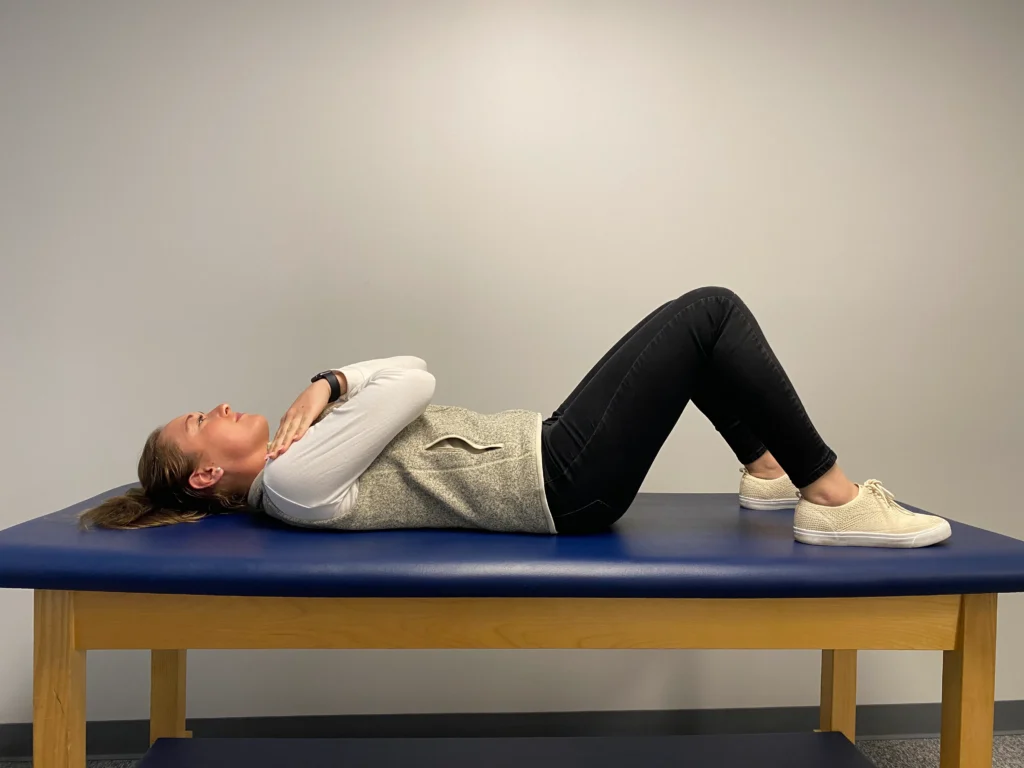
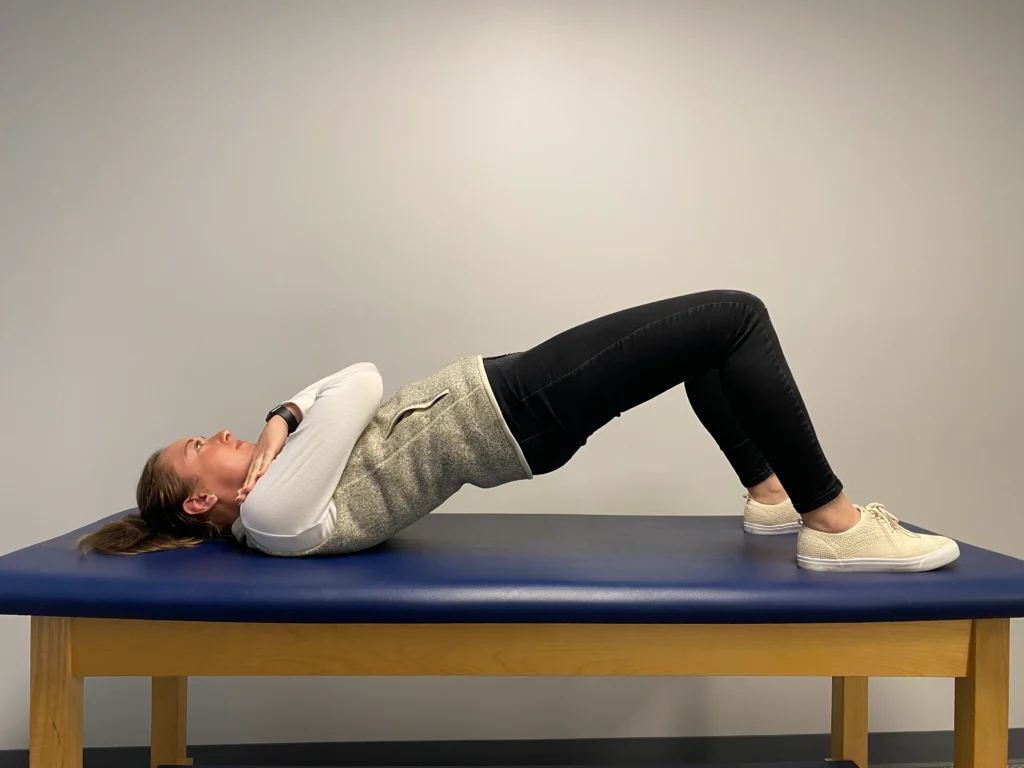
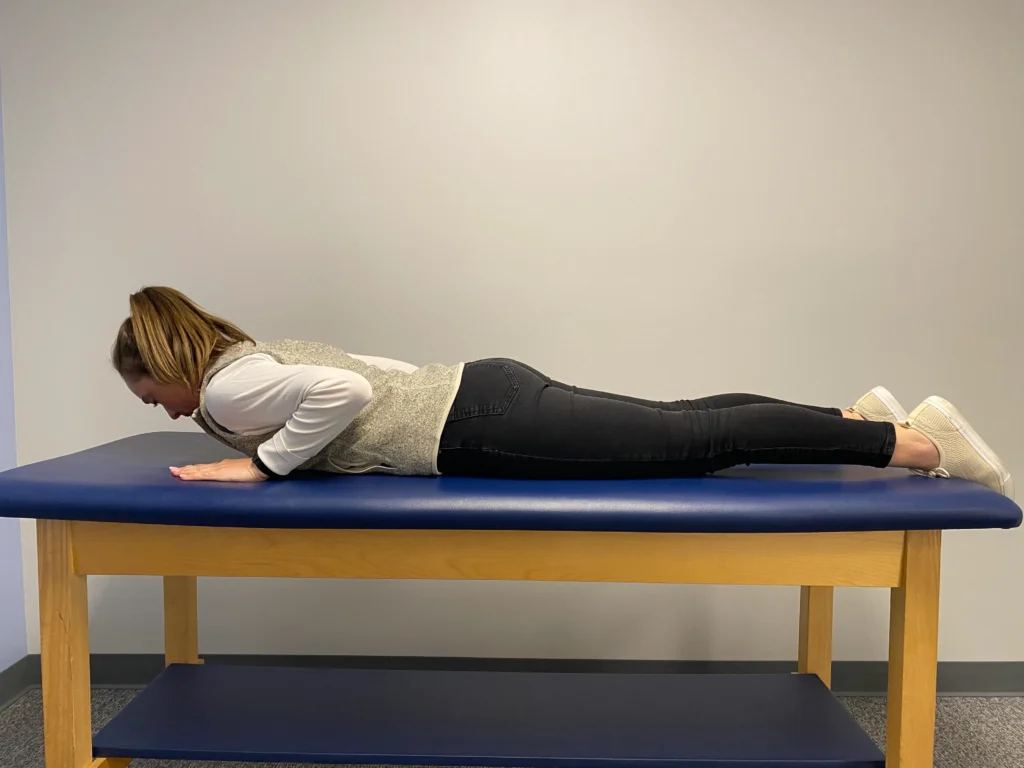
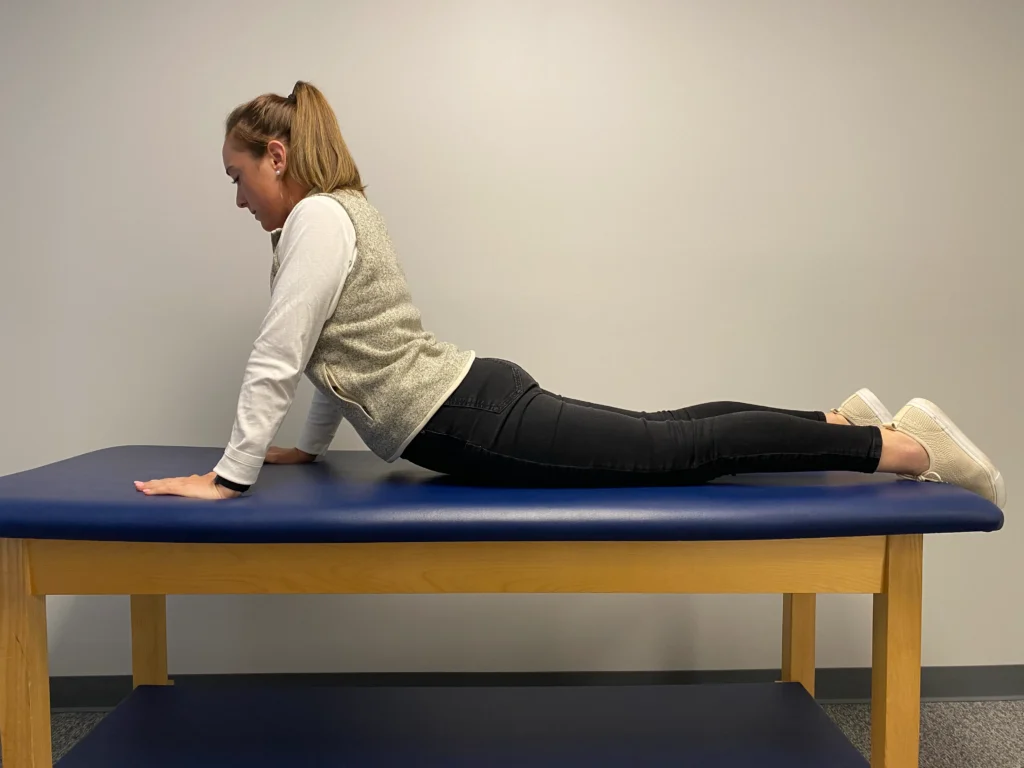
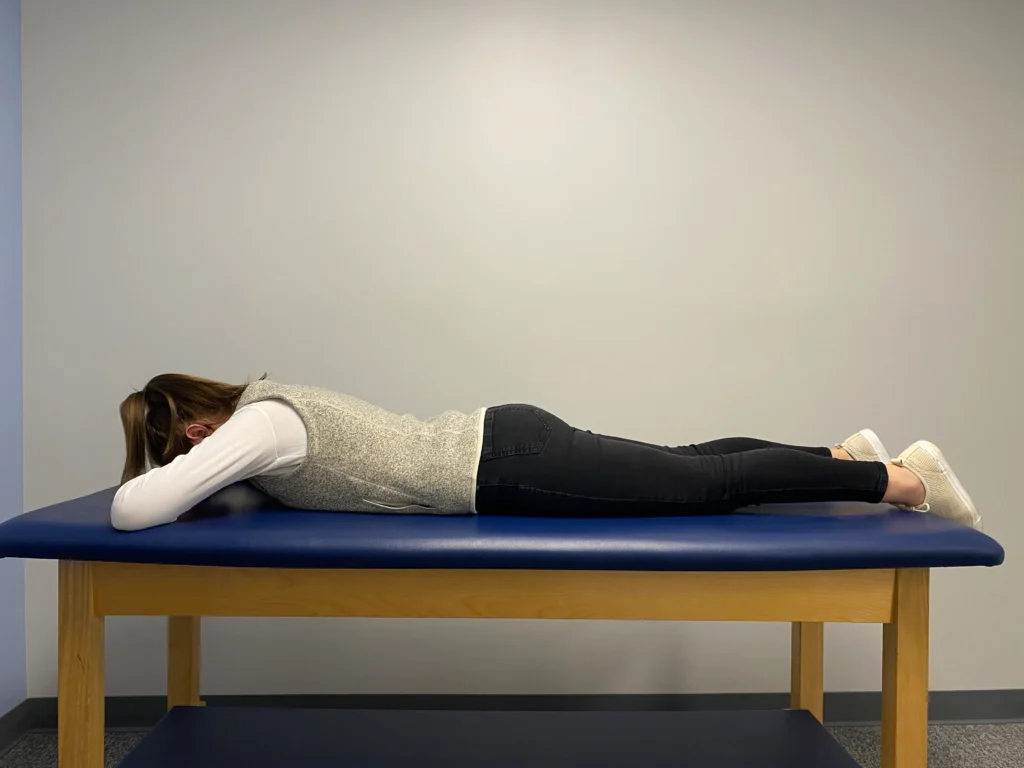
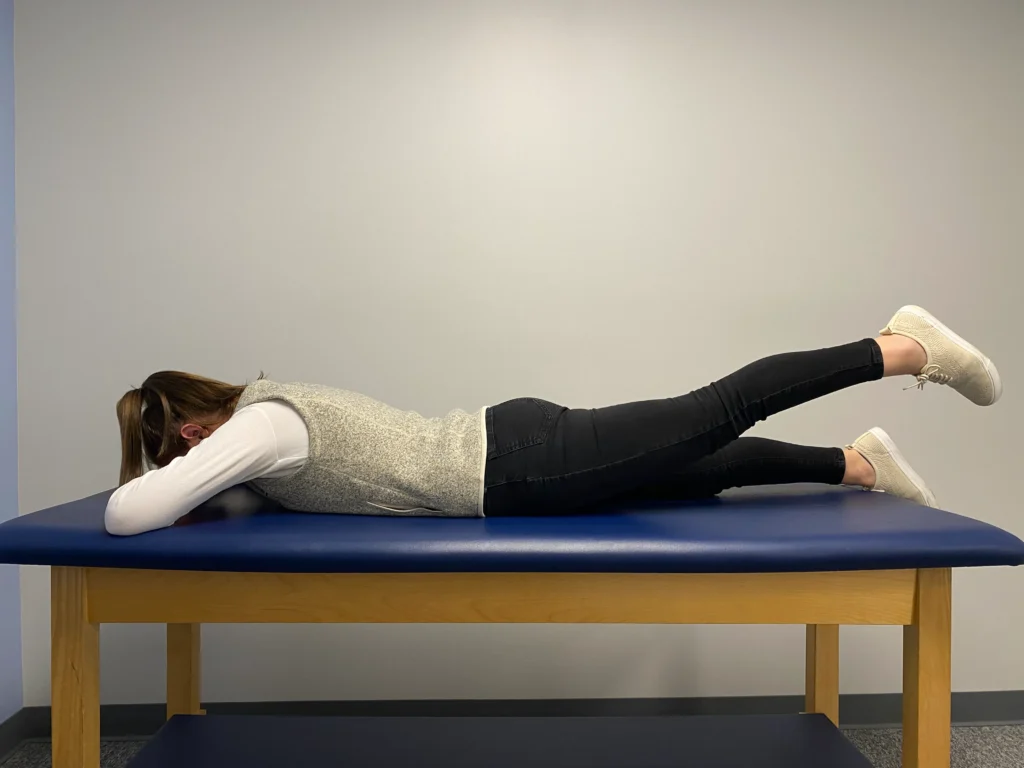
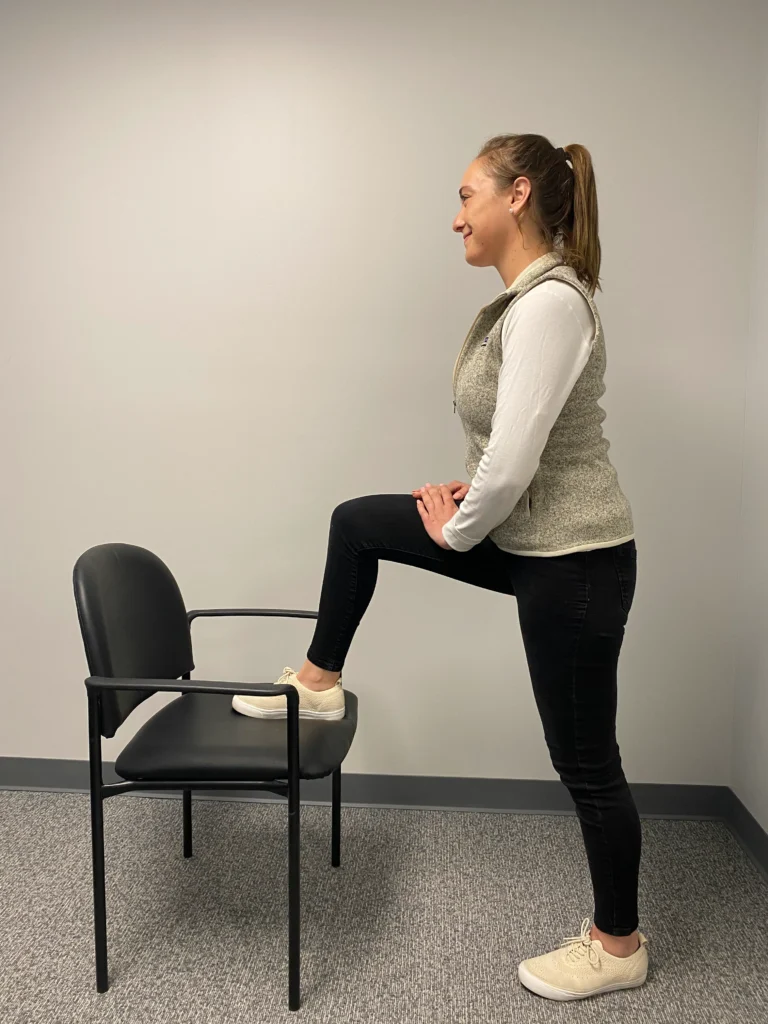
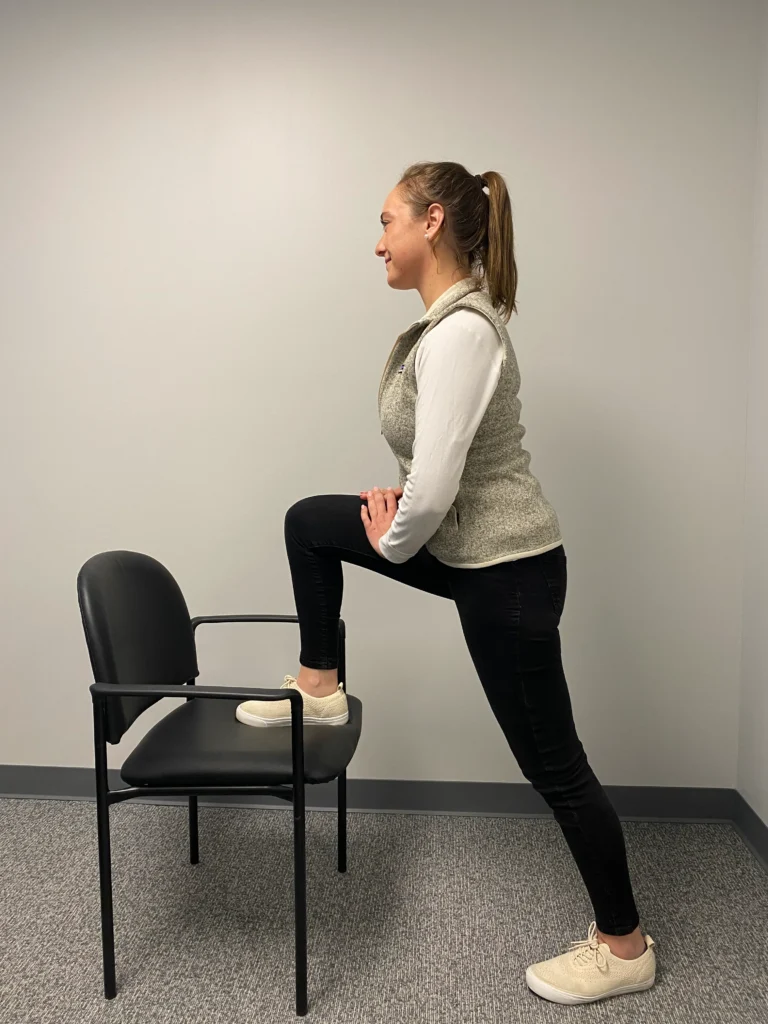
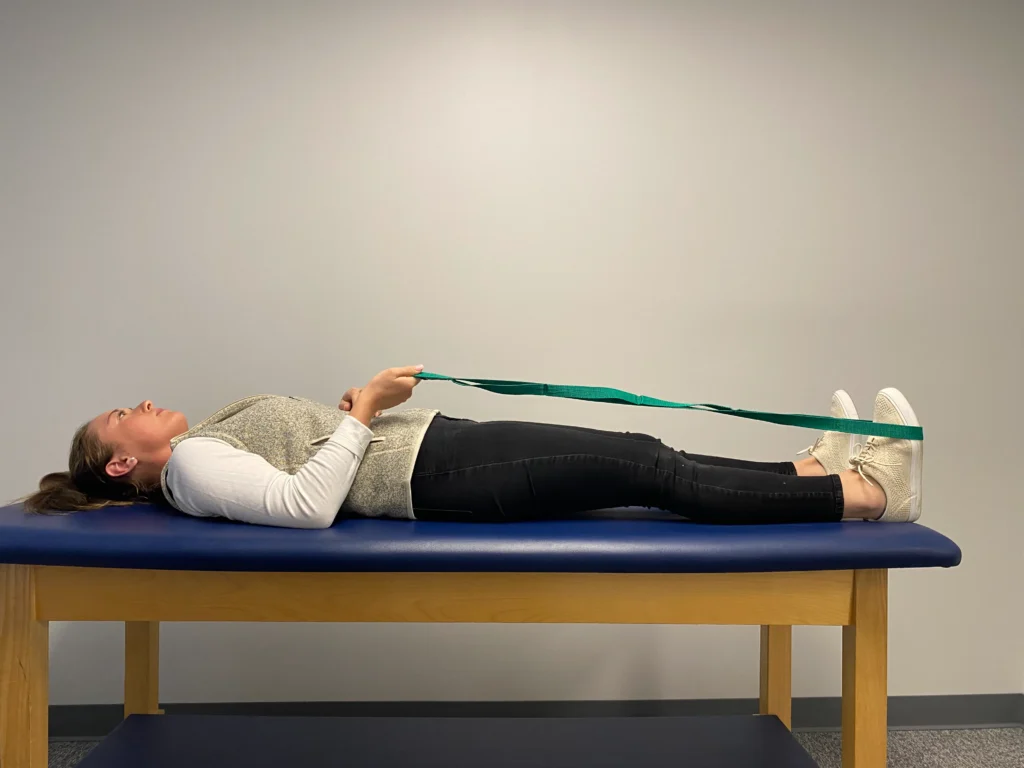
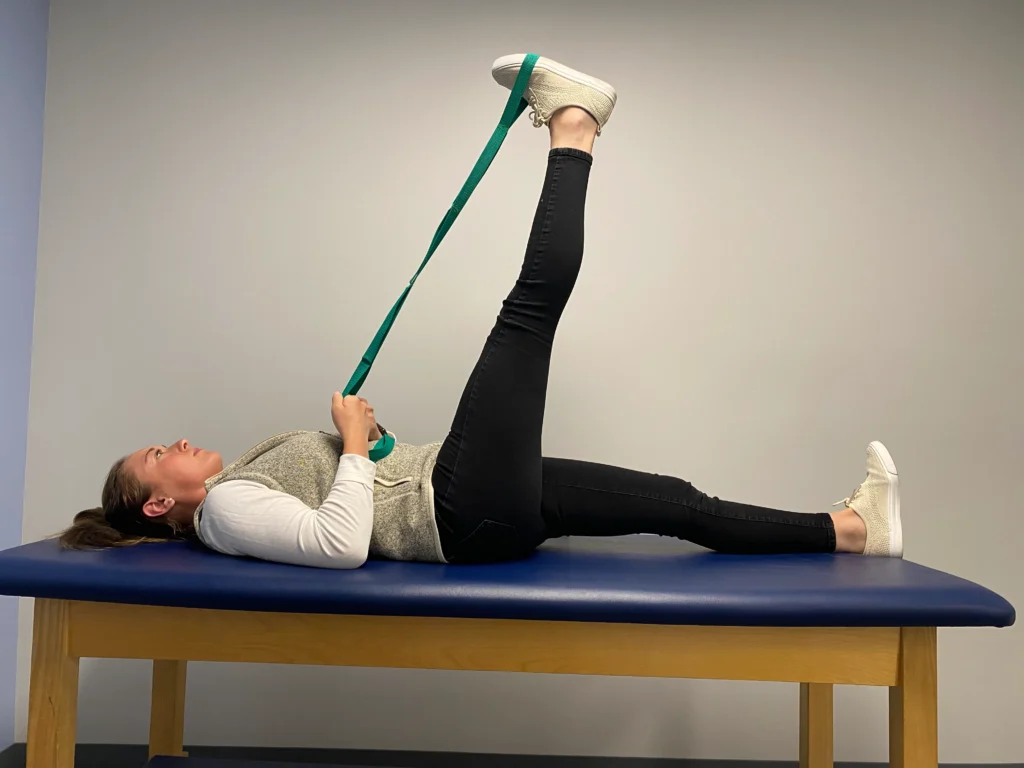
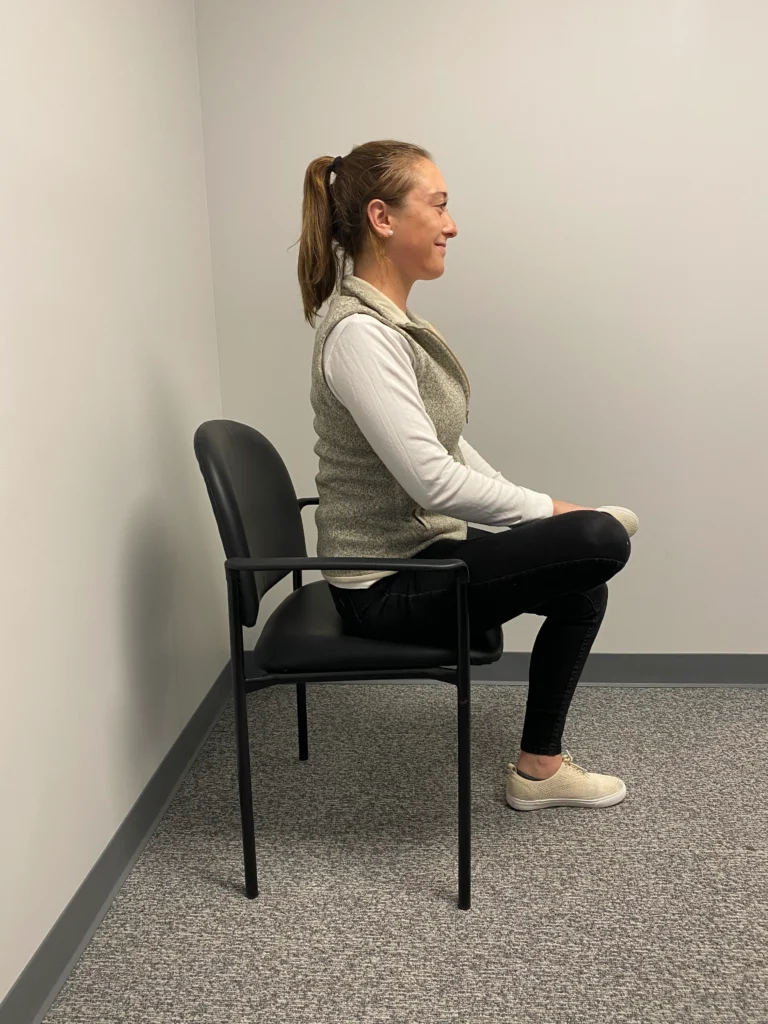
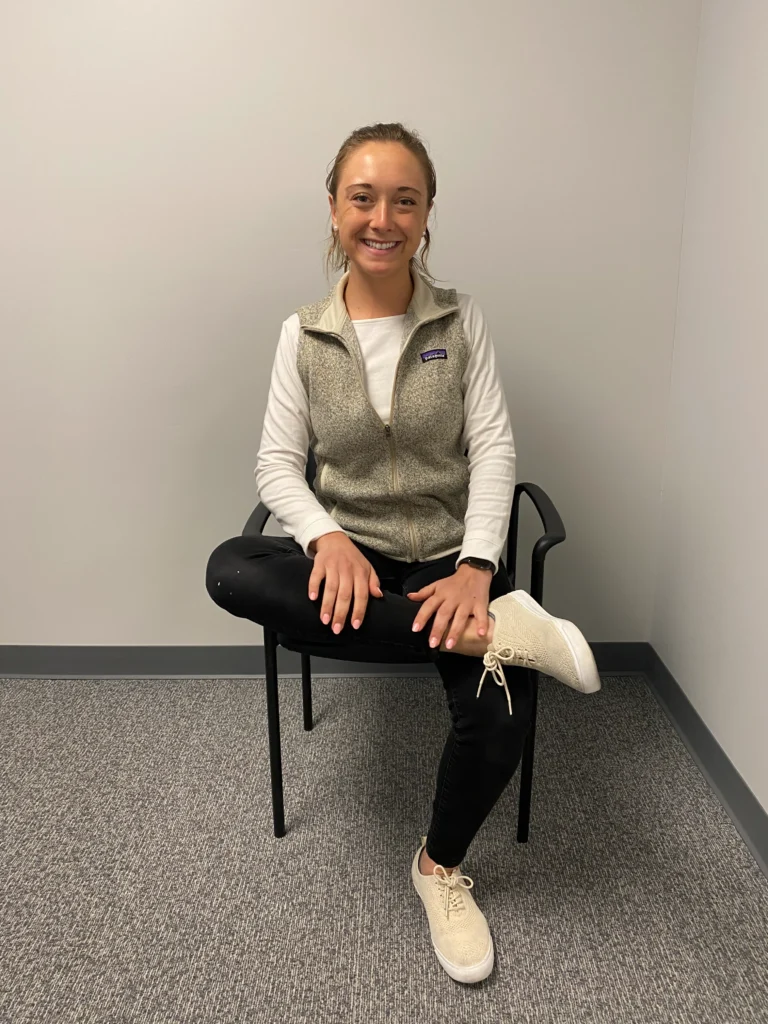
If you’re unable to be as active as you’d like due to back pain, you don’t have to accept sitting out on life. Back pain may not be life-threatening, but it doesn’t have to threaten the life you want to live. As your partner in health, our team is just a call or click away. Contact your nearest MVPT Physical Therapy location or click the button below to request an appointment.


When the final whistle blows on another exciting sports season, young athletes enter a crucial phase: the off-season. This pause from high-stakes games and weekly practices is more than just downtime; it’s an opportunity to focus on recovery. If you’re looking for ways to make the most of the time ahead, this article is for you!

While the allure of year-round play may be strong, the off-season provides a crucial window to focus on injury prevention and foundational skills. Unlike the grueling demands of competitive play, the off-season should prioritize sharpening skills and targeting overall strength and conditioning. This focus reduces the risk of injury and enhances athleticism, setting the stage for peak performance when the season resumes.
One of the most crucial aspects of the off-season is rest and recovery. After months of pushing their bodies to the limit, athletes (especially those with growing bodies) need this time to recharge and rejuvenate. However, rest does not mean complete inactivity. Instead, it’s about finding a balance between relaxation and low-impact training. This could include activities like yoga, swimming, or even learning a new sport—anything that is fun and keeps the body moving without adding excessive physical or emotional strain.
Strength is the backbone of athletic performance, and the off-season is the perfect time to build it. By challenging muscles with resistance, athletes can build a solid foundation of strength that not only prevents injuries but also translates into improved performance on the field. Bodyweight exercises like squats, lunges, and push-ups are excellent starting points for young athletes. The focus should be on mastering movement patterns rather than isolating specific muscles.

Here are five tips to help you create a game plan for off-season success:
As the Official Injury-Prevention Partner of the Massachusetts Youth Soccer Association, MVPT Physical Therapy is always here when you need us. Download our Injury Prevention Guide.
By approaching the off-season with intention and purpose, young athletes can set themselves up for success in the seasons to come. Whether it’s focusing on recovery, incorporating strength training, or exploring new activities, the off-season is a valuable time for growth and development.
Regardless of the preferred sport, by recognizing the importance of off-season training in preventing injuries and unnecessary sports burnout, you will be on your road to long-term athletic success. Need guidance? Call your nearest MVPT location or click the button below to request an evaluation.