




We all aspire to live active and healthy lives. Yet injuries or chronic discomfort can interfere with our ability to move freely. When pain strikes, it’s common to turn to prescription medications for relief. Unfortunately, many medications only mask symptoms, and in the case of opioids, they can carry serious risks.
As the opioid crisis continues to affect families and communities across the country, there is an urgent need to embrace safer, more sustainable solutions. Physical therapy offers a clinically supported, medication-free path to relief. By addressing the root causes of pain and supporting the body’s natural healing abilities, physical therapy helps people of all ages reclaim their health and return to the activities they love.
Opioid dependency can affect anyone, regardless of age or background. Many people are first introduced to opioids through a legitimate prescription for injury-related pain, but over time, reliance can build, often without realizing it.
Physical therapy offers an alternative. Rather than simply managing pain, physical therapists aim to resolve the underlying physical issue that is causing it. This shift—from masking pain to correcting its source—can reduce reliance on medications and support long-term recovery.

Physical therapy provides personalized care that adapts to your condition, lifestyle, and goals. Here’s how it works:
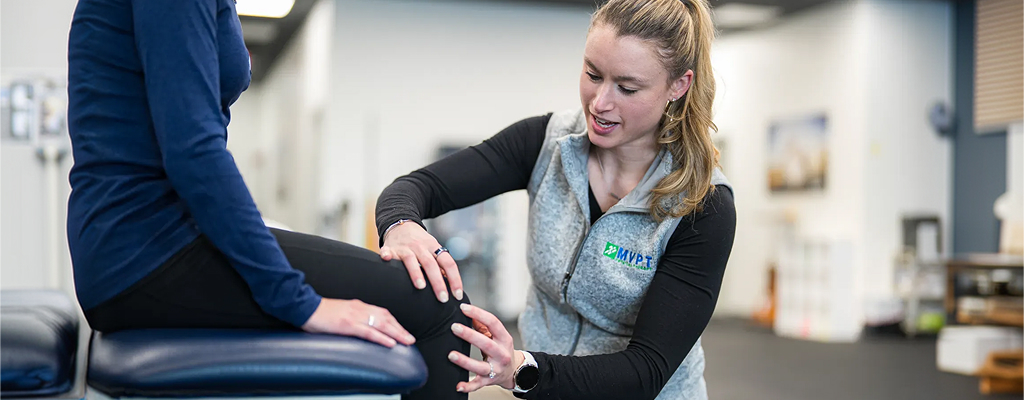
Physical therapists don’t just treat where it hurts. They examine how your body moves, identify biomechanical imbalances, and pinpoint the contributing factors that may be causing pain. This includes assessing posture, range of motion, strength, flexibility, and gait. For example, back pain may stem from weak core muscles, limited hip mobility, or poor posture – factors you may not realize connect to the pain itself.
Therapists use a variety of techniques to relieve pain directly, including:
These tools are tailored to each patient’s needs and are designed to improve comfort while supporting long-term change.
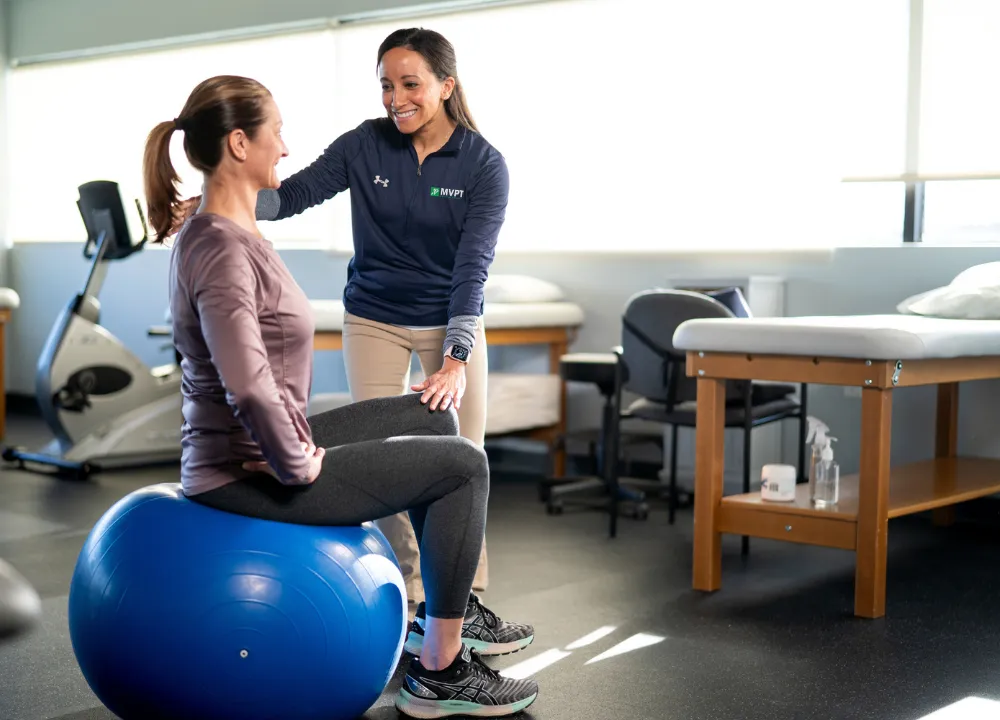
Pain often limits mobility. Whether you’re a parent trying to keep up with your kids or an older adult struggling with stairs, physical therapy helps restore confidence in movement. Stretching, balance work, strength training, and education allow patients to regain control over their bodies without having to rely on medication.
A major benefit of PT is learning how to care for your body. You’ll understand what’s causing your symptoms, how to manage them independently, and how to prevent future issues. This knowledge puts you in charge of your recovery, not a pill bottle.
Physical therapists take time to understand your history, your habits, and your goals. By designing treatment around the whole person, physical therapy promotes healing not just from pain, but toward better overall health.
Physical therapists are highly trained movement specialists.
Before treating their first patient, they complete years of rigorous education and hands-on clinical experience. This preparation equips them to evaluate, treat, and partner with individuals of all ages, abilities, and conditions.
Many physical therapists also pursue board certifications in areas such as orthopedics, sports, neurology, or geriatrics. Even after graduation, they continue learning through hands-on training and continuing education.
When you work with a physical therapist, you’re partnering with a medical professional who’s trained to evaluate complex movement issues and guide you safely through recovery.
Pain doesn’t discriminate by age, and neither does physical therapy.
Whether your goal is to return to work, stay active with your kids, or maintain your independence as you age, physical therapy provides tools to help you move forward.
Ignoring pain may seem harmless at first, but delays in treatment often lead to worsening symptoms and reduced function. Early intervention through physical therapy can:
Don’t wait until the pain becomes severe or chronic. If something doesn’t feel right, a physical therapist can help you understand what’s going on and create a plan that works for your life.
Physical therapy is more than injury recovery—it’s a pathway to better health. If you’re experiencing pain, talk to your doctor about physical therapy, or reach out to your nearest MVPT Physical Therapy clinic.
It’s time to move beyond temporary fixes and take control of your well-being. Schedule your evaluation today!


Whether you’re recovering from an injury, getting stronger after surgery, or just working to stay active as you age, regular exercise can be a game-changer. But did you know that what you eat after your workout session can make a big difference in your recovery?
Understanding post-exercise nutrition can help reduce soreness, rebuild muscle, and keep energy levels steady. Let’s break down how to fuel your body after exercise, so you get the most from all your hard work.
Right after a workout, your muscles are hungry for energy. In the first 30 to 45 minutes following your session, your body is in a prime state to replenish glycogen—the stored energy in your muscles and liver that gets used during exercise. This is where carbohydrates come in.
These are simple, portable options that you can toss in your bag or keep in the car so you’re ready to refuel right after your session.
Carbs + Protein: The Recovery Power Combo
To truly support muscle repair and growth, you need protein—but it works best when paired with carbohydrates. This combo helps your body increase muscle protein synthesis, the process of rebuilding and strengthening muscle tissue.
Aim to have one of these within an hour of your workout session to give your body the fuel it needs to rebuild stronger muscles.

Once you’re home (or back to your day), try to eat a full meal within 2 hours of your session. This meal should focus on:
Here are a few meal ideas that tick all the boxes:

Eating to support recovery isn’t about being perfect—it’s about giving your body what it needs when it needs it most. With a few smart snacks and meal choices, you can maximize the benefits of exercise, feel more energized, and keep moving forward in your wellness journey.
So next time you finish a session, grab that banana, sip that chocolate milk, and know you’re doing something great for your body.


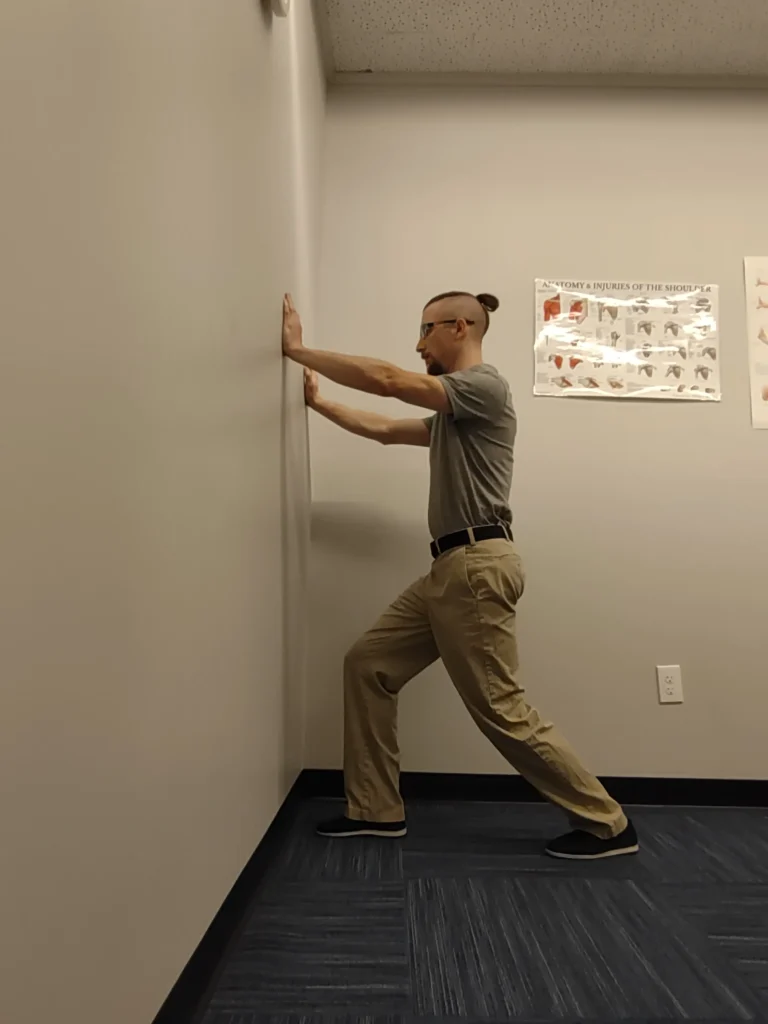
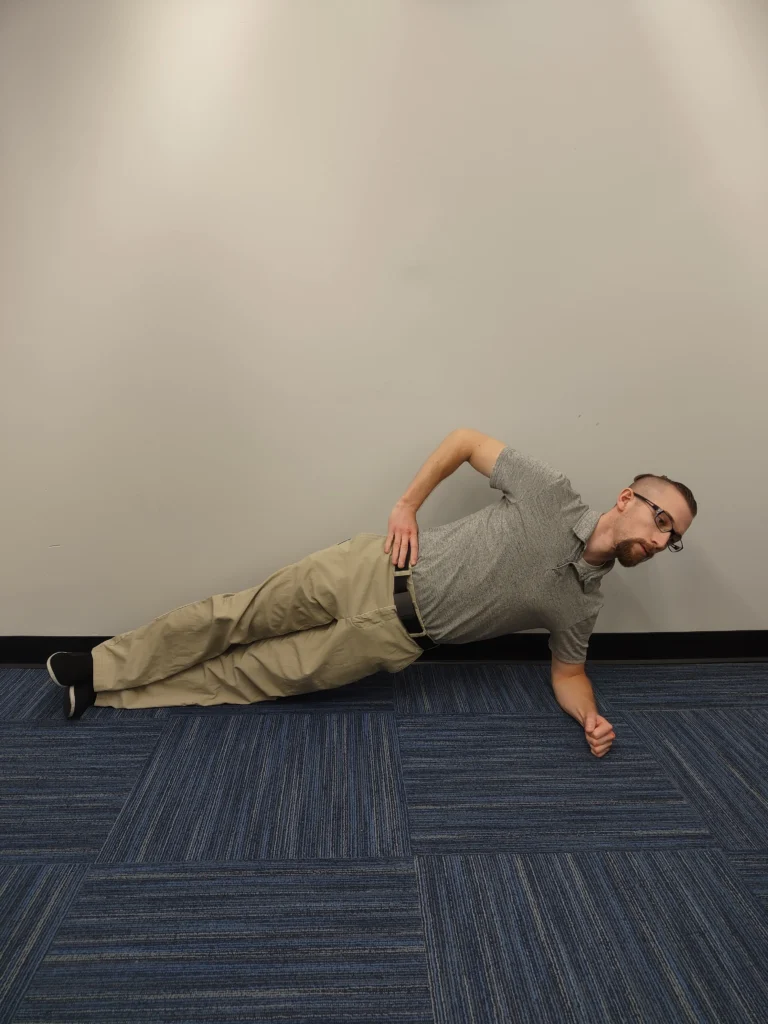
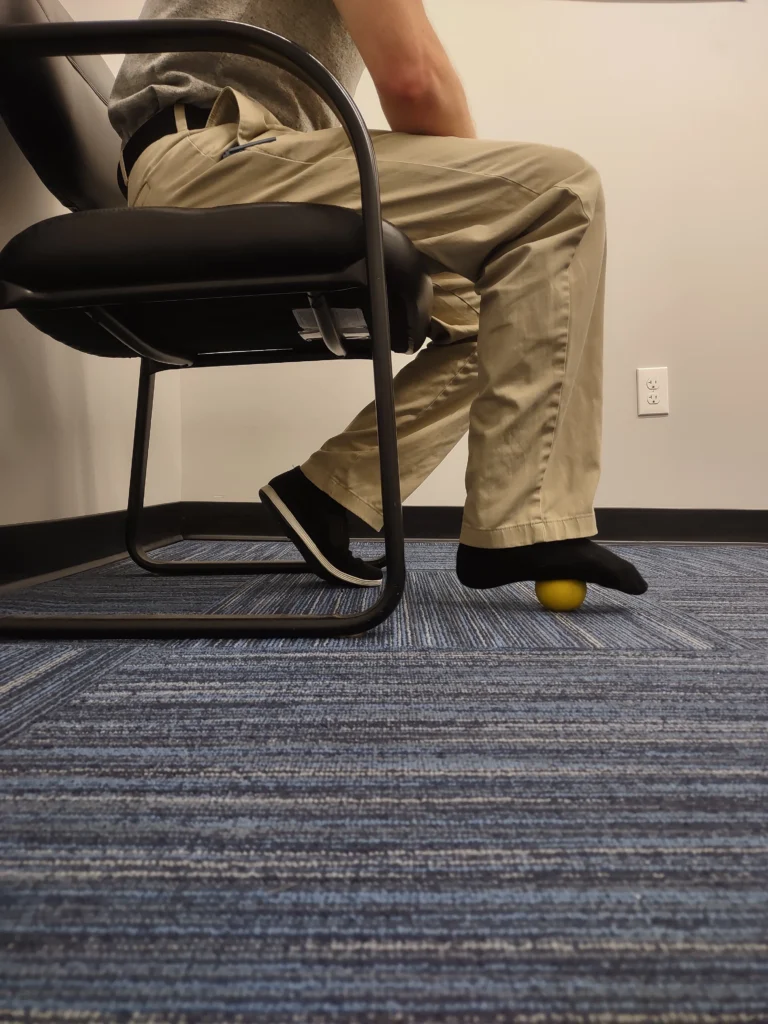
With the summer heat behind us and winter soon to come, fall is the perfect time to get outside. Whether you like a leisurely walk around the neighborhood or prefer to register for weekend running events, prevention is key to keep you moving. With the many health advantages that walking and running offers, there’s one common thing that many enthusiasts prefer to ignore: injury prevention is crucial! According to some sources, nearly 50% of all recreational runners get hurt each year! The primary cause of injury: overuse!
Although not always preventable, working with a medical partner like Bay State Physical Therapy can help you avoid overuse injuries by providing:
If pain or injury keeps you from being as active as you’d like, contact your nearest MVPT Physical Therapy clinic or click here to request an evaluation!
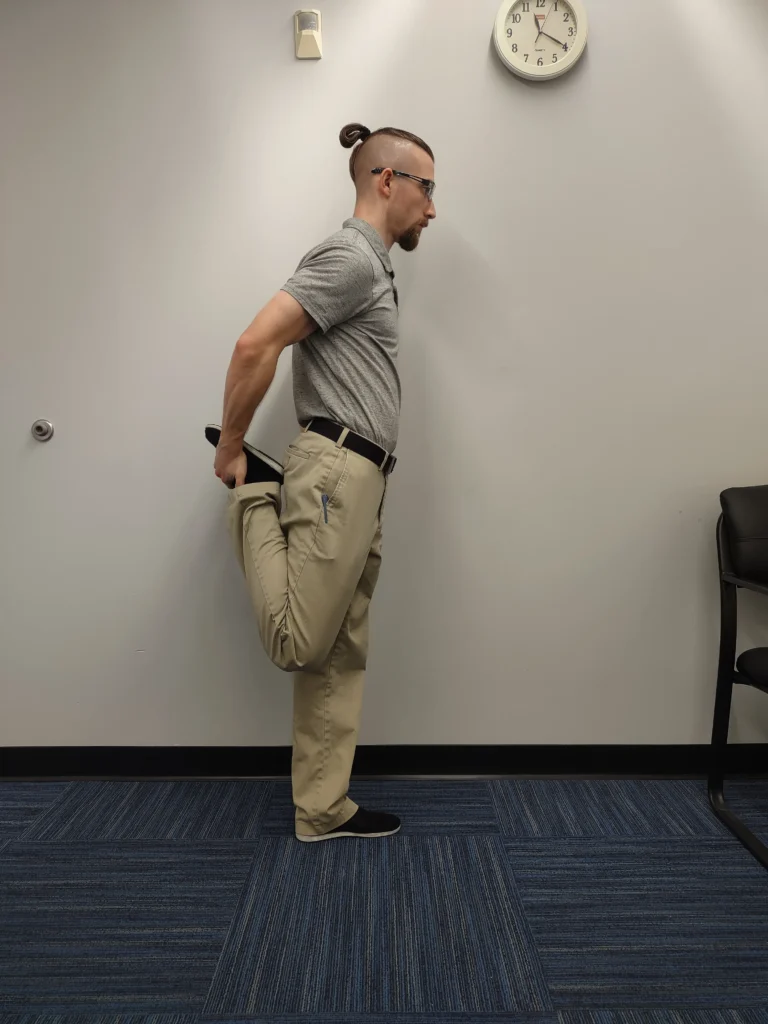
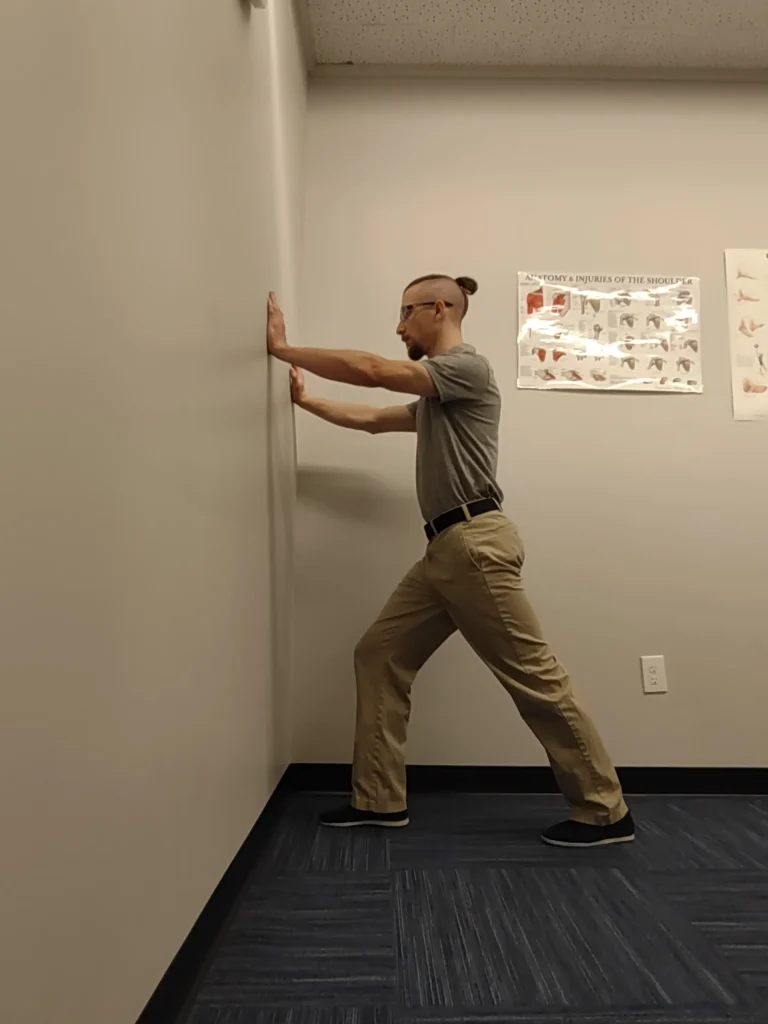

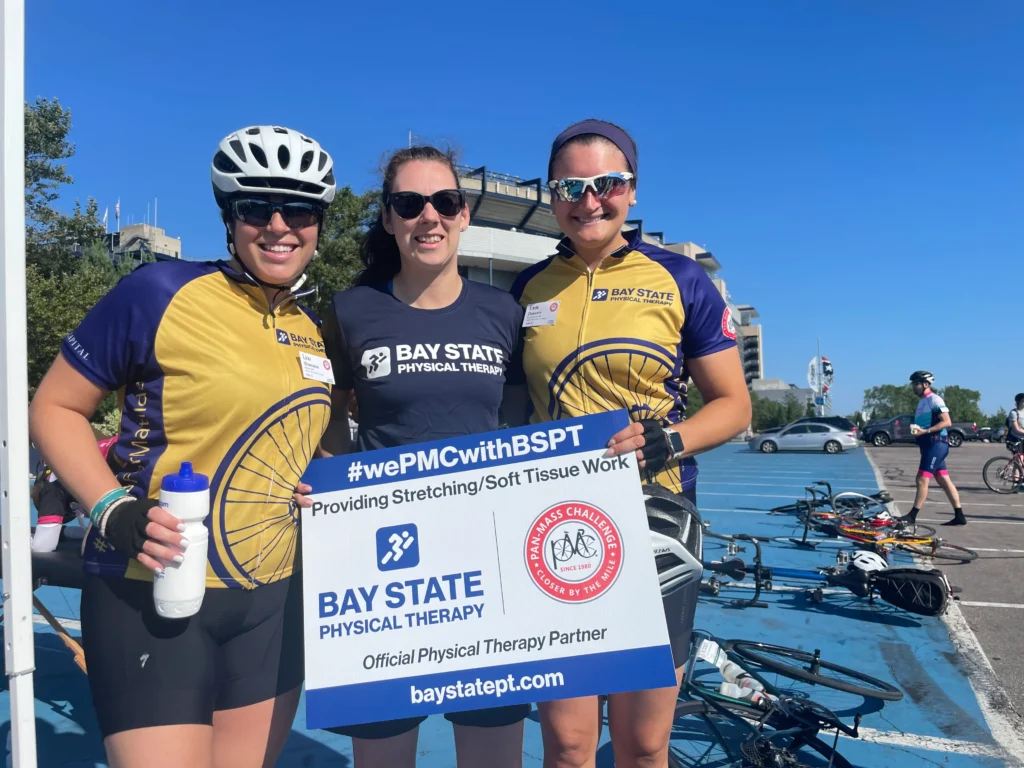
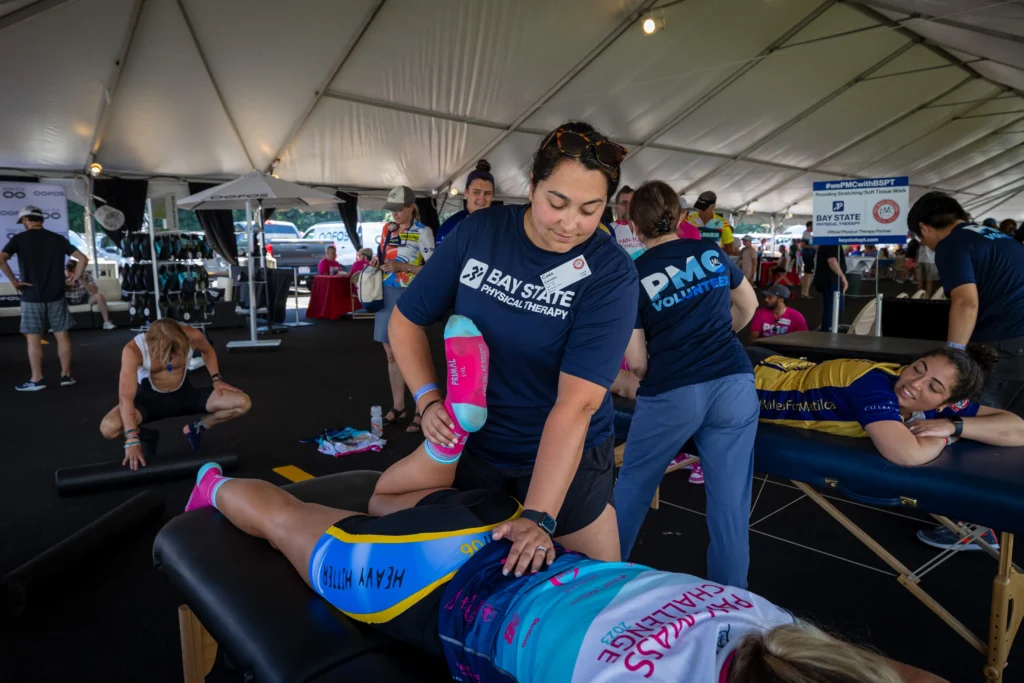
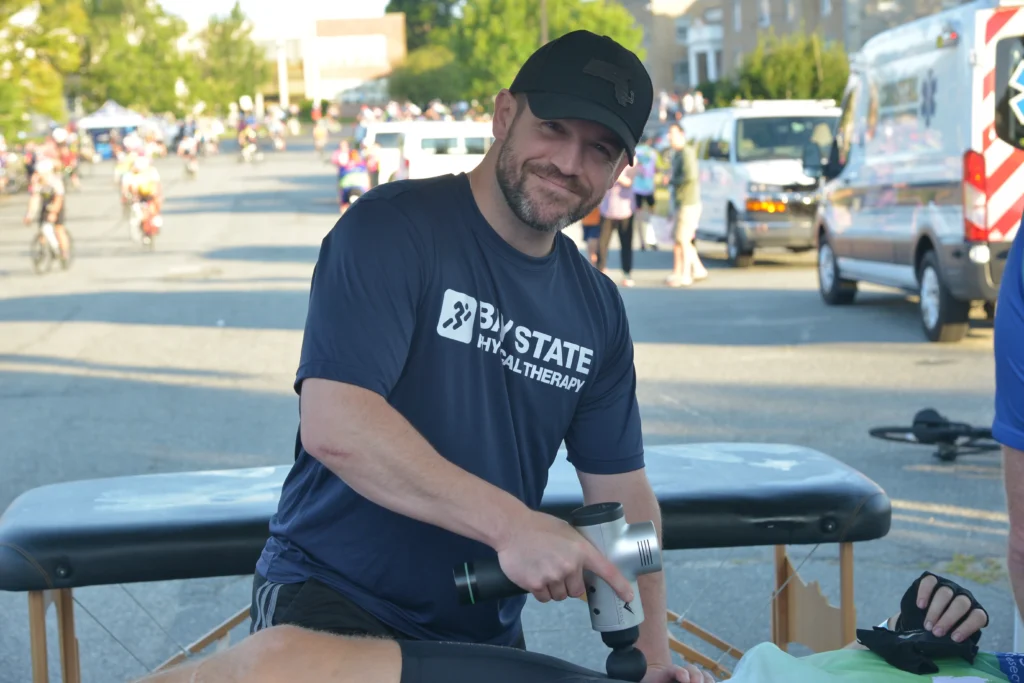
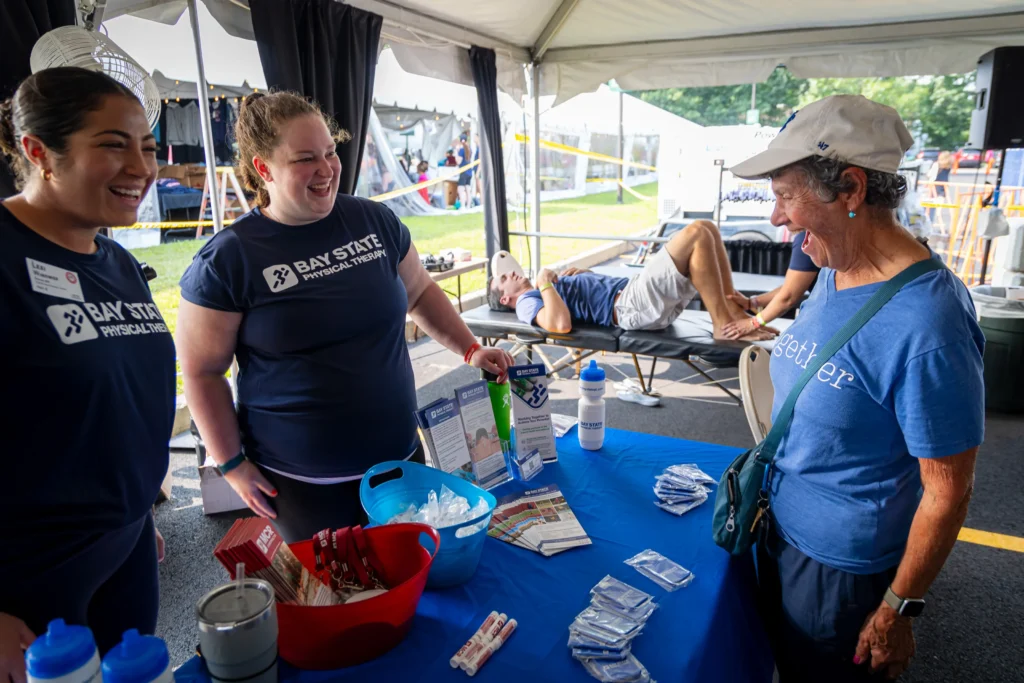
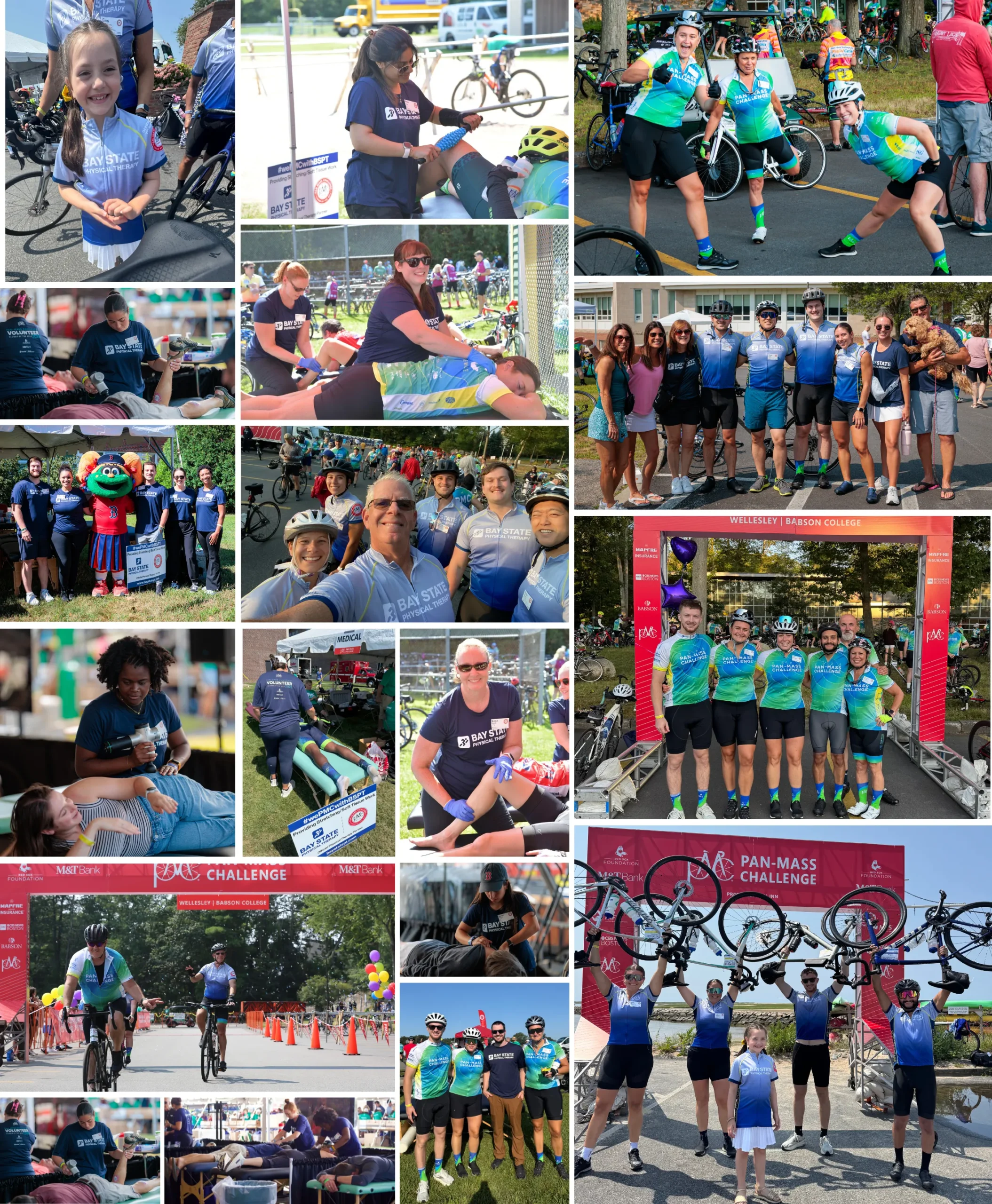
The 46th Pan-Mass Challenge (‘PMC’) weekend has come to an end. What an epic weekend for the thousands of riders, volunteers, and the many communities throughout Massachusetts that came together to support the Dana-Farber Cancer Institute. As the Official Physical Therapy Partner of the PMC, we are incredibly thankful for the opportunity to assist riders, ensuring they can achieve their efforts to ride and raise funds for this worthy cause!
A very special thank you to all the volunteers, but especially the 40+ team members from Bay State Physical Therapy who supported this fantastic event. You are a shining example of the dedication and compassion we aspire to exhibit. Thank you for being so committed to supporting our effort to build healthier communities.

To our PMC Pedal Partner, Celia (pictured below), thank you for being such an inspiration to us all and cheering on our riding team throughout the weekend. We’d also like to recognize and thank our corporate sponsors, including Calera Capital, Core Medical Group, McGuire Woods, Alera Group, and Raintree, for supporting our fundraising efforts and standing with us in the fight against cancer.
Huge congratulations to our own Bay State PT PMC Riding Team, who crushed their fundraising goal! We’d like to once again recognize our Corporate Sponsors, whose support of our efforts is greatly appreciated!
Thank you to all who have donated to our fundraising efforts. If you haven’t had the chance to donate to the Pan-Mass Challenge, there is still time as fundraising continues until October 1st! Click the button below to donate today!