
Cupping
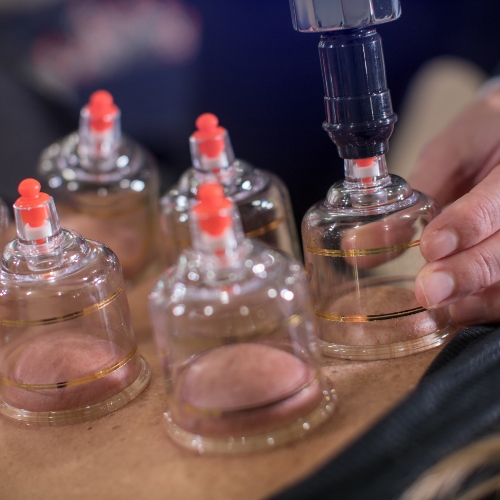
Cupping therapy may be the “in” thing right now, but it is not anything new. It was used by the ancient Middle Eastern, Chinese and Egyptian cultures. Cupping is an ancient form of alternative medicine where cups are put on the skin to create suction. Today, it is used to help with relaxation, blood flow, pain, and inflammation. Some think of it as a deep-tissue massage.
How it is Done
A physical therapist utilizes a rubber pump to create a vacuum. It causes the skin to rise and the blood vessels to expand. Sometimes, silicone cups are used to create a massage effect. This creates the same effect as the familiar use of cupping by placing a flammable substance like herbs or alcohol in a cup.
Why Cupping Therapy Is Done
Physical therapists may sometimes use it as a technique of tissue distraction release. The cups are glided across different areas to lift and separate tissue. It enhances the release of the interfaces between the neural tissues, fascia, skin, ligaments, muscles, and tendons. Some patients with myofascial pain report resolution of pain after just one session. There is also some evidence to suggest that cupping techniques are effective for chronic neck pain, low back pain and fibromyalgia. It has also been shown to relax muscles, release trigger points, improve lymphatic flow, increase local circulation and release scar tissue adhesion.
The three cupping techniques are longitudinal, cross fiber and circular. The longitudinal technique is the most common, and the cup is glided longitudinally across the muscle fibers. The cross fiber technique is used when it is believed that the tissue is scarred. The circular technique is used at the end of the session to ensure that all areas were covered.
This therapy is popular among athletes. Numerous athletes from the Olympics in Rio 2016 used cupping. An athlete with a history of chronic iliotibial band (ITB) pain reported instant relief following a three-minute session of cupping. The technique was repeated a week later. Following only two cupping sessions, he was symptom-free and returned to his usual running. What can we learn? It may potentially be more effective than techniques that focus on further compressing down on soft-tissues that are hypothesized to be tight.
There is real science behind cupping therapy. By creating suction with negative pressure, it can increase hydration and blood to body tissues, ease up adhesions, rid excess fluids and eliminate connective tissues. Cupping is a versatile treatment and can be modified from deep tissue release to lymphatic drainage.
It should not be performed on skin sites with wounds, infection, burns or active inflammation. Sometimes, it can create bruises on the skin that can last up to two weeks. Bruises typically resolve themselves with time.
Frequently Asked Questions About Cupping
Your MVPT physical therapist may use cupping to help with temporary soft tissue discomfort or mobility limitations. Your expert at MVPT Physical Therapy will first determine whether the technique fits your condition, health history, and goals. When appropriate, cupping can complement an individualized plan of care that includes active treatment to build strength, mobility, and physical capacity.
Those changes may create an opportunity to work on movement or exercise, but cupping cannot independently rebuild function. Your expert MVPT physical therapist will also address relevant strength, mobility, balance, or activity-tolerance limitations. Your care plan includes cupping only when the technique helps support progress toward your individual goals.
which can create marks that resemble bruises. Their color and duration vary from person to person. Cupping does not “detox” your tissues, and darker circles do not mean that more toxins were removed or that treatment was more successful. Your physical therapy expert can explain the expected skin response before treatment so you know what to expect and can decide whether cupping fits your preferences and care plan.
You may experience temporary tenderness or skin discoloration afterward. Your MVPT Physical Therapy expert will consider how your body responds rather than assuming stronger suction produces better results. Cupping should support your ability to participate in your plan of care rather than create unnecessary soreness.
The reason your muscle feels tight still matters. Weakness, repetitive activity, limited joint mobility, or changes in physical demands may contribute. Cupping cannot strengthen a muscle or address every cause of tightness. Your MVPT physical therapist can combine the technique with exercises that address the physical abilities you need to regain.
Tell your expert physical therapist at MVPT Physical Therapy about your health history and medications before treatment. Your physical therapist at MVPT Physical Therapy can determine whether cupping is a safe and useful part of your individual plan of care. If it is not appropriate, your physical therapy partner at MVPT Physical Therapy can select another evidence-based approach that supports the same goals.
Other Benefits of Cupping
It can boost skin health, help with respiratory issues and improve digestion. This technique has been used to speed up recovery from the flu and common colds by improving immunity. It also reduces symptoms from disorders like irritable bowel syndrome (IBS).
Would you like to know more about cupping? Find a location below that provides cupping therapy. Our skilled physical therapists will do a full assessment of your condition and determine whether or not you are a good candidate for cupping therapy.