Physical therapists have many tools and services that they incorporate into their patient’s care to help them overcome pain and restore function. While many of the techniques physical therapists use are related to the most recent updates in the medical industry to promote strengthening and realigning the joints, some services, like cupping, have deep roots in eastern medicine.
What is Cupping and How Does it Work?
According to WebMD, cupping therapy dates back to ancient Egyptian, Chinese, and Middle Eastern cultures. In fact, one of the oldest known medical textbooks described cupping therapy in 1550 B.C. Chinese medicine has been using it for thousands of years to treat pain, muscle stiffness, and even some respiratory issues.
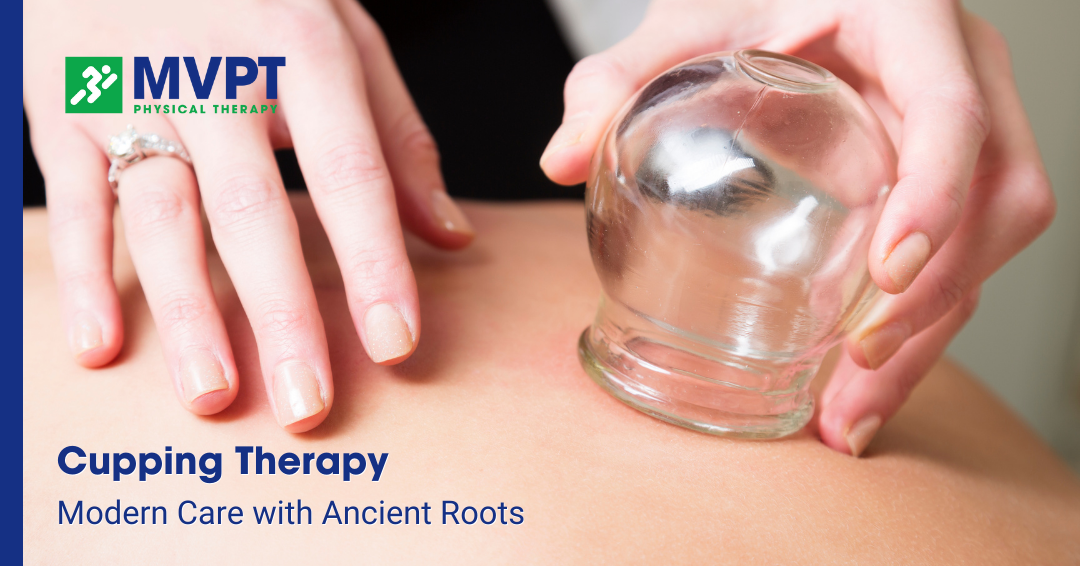
Cupping therapy is a treatment modality that physical therapists use for treating painful musculoskeletal conditions. Cupping utilizes specialized cups, with a small pump, to create suction between the cup and the patient’s skin. As the suction/vacuum effect pulls gently on the skin as the internal pressure of the cup draws fluid to the area and promotes healing.
What is the Science Behind Cupping?
There is real science behind this type of therapy. By creating suction with negative pressure, cupping can increase hydration and blood to body tissues, ease up adhesions, rid excess fluids and eliminate connective tissues. Cupping is a versatile treatment and can be modified from deep tissue release to lymphatic drainage. It has also been shown to relax muscles, release trigger points, improve lymphatic flow, increase local circulation and release scar tissue adhesion.
Physical therapists may sometimes use cupping as a technique of tissue distraction release. In this case, the cups are glided across the surface of the skin to lift the layers of tissue below the skin. It enhances the release of fascia (connective tissue of the body), neural tissues, skin, tendons, and muscles. Some patients diagnosed with a form of pain called ‘myofascial pain’ report improvement in their symptoms following just one session.
What are the Health Benefits of Cupping?
When included in a physical therapy plan of care, some of the common health benefits of cupping include:
- Improved metabolism and healing
- Increased blood flow and lymphatic drainage
- Stimulation of sensory nerves
- Short-term reduction in pain and inflammation
- Improved mobility of myofascial (connective) tissue
What Diagnoses Can Cupping Help?
Cupping is a drug-free way to reduce pain and promote healing. Here is a list of some common conditions that cupping can treat:
- Arthritis and chronic pain
- Low back pain and hip pain
- Headaches and migraines
- Knee and leg pain
- Neck, upper back, and shoulder pain
Because the amount of suction created with cupping can be adjusted by the physical therapist, cupping can be uniquely personalized for people of varying ages and pain tolerances.
Get the Answers about Cupping
Will cupping alone help?
Best clinical outcomes are found when cupping is used in conjunction with other physical therapy interventions, such as therapeutic exercise for strengthening and flexibility.
What will happen during cupping therapy?
Depending on the goal of cupping therapy, your physical therapist may leave the cup in place for 5-10 minutes or move the cup across your skin for a massage-like effect.
What does it feel like?
You will feel moderate pressure at the cup location, but this should not be unbearable. Your physical therapist can make adjustments to the pressure, so you should let them know how it feels. Once the pressure has been released the cup can be removed.
How should I expect after my cupping session?
Depending on the mouth of suction that you and your therapist use, some people may see a circular ring of redness, where the cups were placed. Some people will have no redness at all. However, if you do, the discoloration is not typically painful and should go away within a few days.
Ask Your Physical Therapist About Cupping
If you are dealing with pain or injury, your physical therapist may recommend cupping as a part of your plan of care. To request an appointment, call any MVPT Physical Therapy location to schedule or complete the form below.
Resources: