





Summer is the season for backyard BBQs, beach days, golf rounds, and weekend getaways. But when back pain strikes, it can turn your favorite moments into missed opportunities. Don’t let pain sideline you, especially when there are simple ways to stay active and strong all season long.
Back pain is incredibly common. Nearly 85% of people experience it each year, but that doesn’t mean it’s inevitable. Whether you’ve been lifting more while gardening, sitting too long during road trips, or just feeling more sore after long walks or a round of golf, small movements can have a big impact. Understanding the causes of back pain and knowing when to act can help you get ahead of the pain and back to doing what you love.
When we think of back injuries, we often imagine “throwing out our back” while performing strenuous tasks like lifting heavy objects. Other causes of back pain can include:
Have you ever thought, “Why does my back hurt- I haven’t done anything physical to cause an injury?” Surprisingly, back pain can arise from small, everyday activities, especially those that involve bending forward.
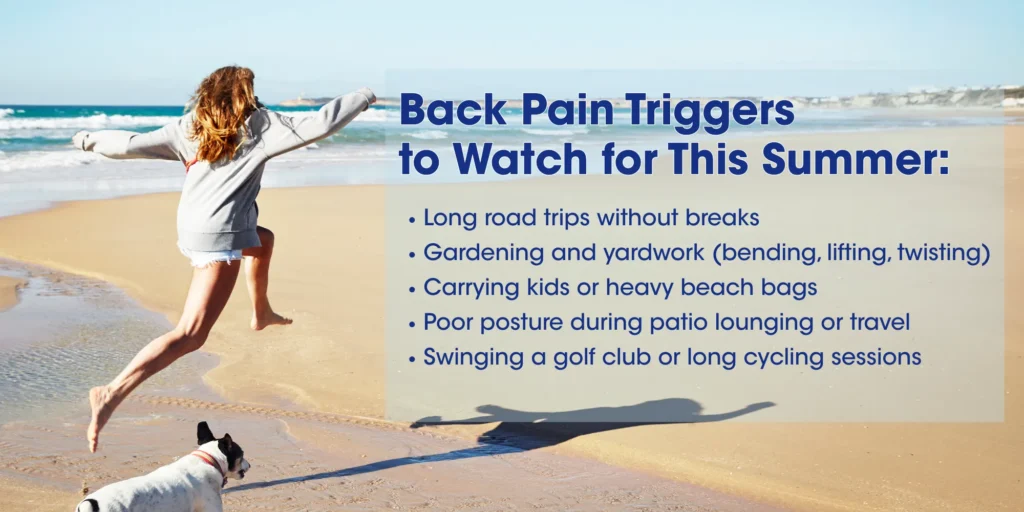
And during the summer, many of us are doing just that. We’re hauling beach gear, bending over garden beds, playing with grandkids, or logging hours behind the wheel for a weekend road trip. Even activities that seem harmless, like cycling or swinging a golf club, involve repetitive motions that can strain the spine and the many muscles that support it.

Most people associate back pain with heavy lifting or big injuries, but sometimes it’s the small, repeated movements that do the most damage. One of the biggest culprits? Spending too much time in a bent-forward position, known as “flexion.”
When you sit, drive, garden, work at a computer, or lean over your phone, your spine stays in a flexed position. This posture places continuous pressure on the muscles, ligaments, and discs in your lower back. Over time, this stress can lead to tiny, cumulative injuries, called microtrauma, even if there wasn’t a single moment you remember getting hurt.
In contrast, “extension” (leaning slightly backward) helps restore the natural curve of your spine. Our bodies are built to move between both positions, but most of us spend far more time in flexion than extension. That imbalance can cause stiffness, poor posture, and a higher risk of discomfort.
The longer you stay in one position, especially while sitting, the more strain builds up. Even relaxing in a recliner for extended periods can leave you stiff or sore. That’s why movement, variety, and posture awareness are key to protecting your spine and maintaining overall back health.
 Talk to your medical provider about a referral to MVPT Physical Therapy!
Simple tasks like picking up groceries, washing dishes, or lifting with poor mechanics can cause significant discomfort. If you ignore your pain, it can become worse and chronic in nature. And just because it might go away doesn’t mean the coast is clear. Even in the absence of pain, your body can experience stress.
The consequences of back pain don’t stop there. What starts as a minor twinge during a long drive or a backyard project can escalate if left untreated. Other risks include headaches, digestive issues, depression, anxiety, fatigue, and immune system dysfunction. The outcome can be inflammation, illness, or a body that is more susceptible to injury.
So, how can you find long-term relief? Ask your medical provider for a referral to physical therapy!

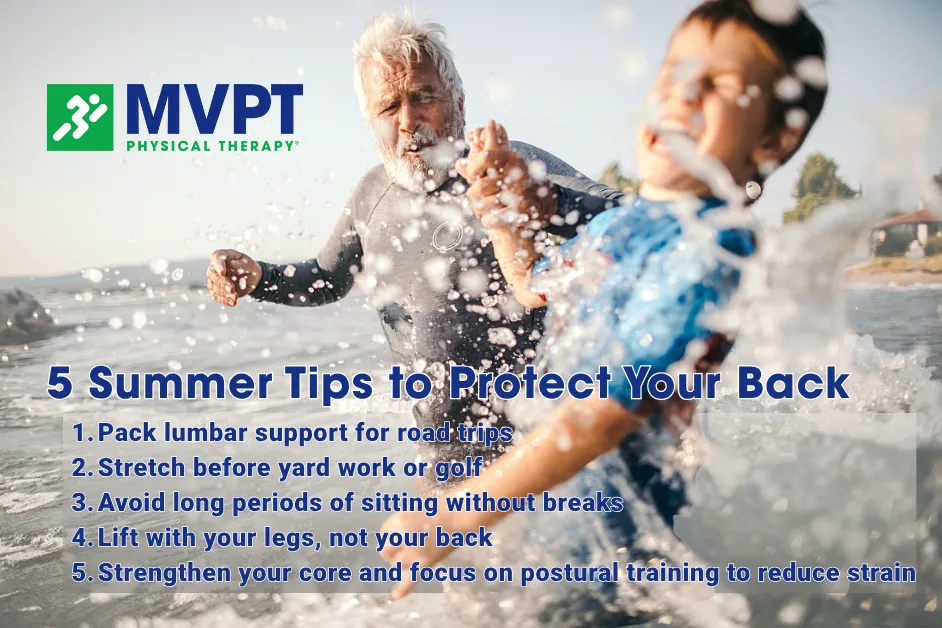
While physical therapy is one of the most effective ways to address back discomfort, there are also simple strategies you can use to stay active and mobile throughout the summer. With a few small adjustments to your daily routine (especially when sitting, traveling, or lifting) you can reduce strain on your spine and support your long-term health.

Starting physical therapy early (within a few days of your symptoms) to treat back pain has been shown to lower the chances of pain becoming chronic. Additionally, research indicates that early physical therapy intervention reduces the need for pain specialists, emergency room visits, advanced imaging tests like MRI scans, and injected pain medication into the spine. These interventions can be costly, with adults suffering from back pain spending $1,440 on average in healthcare expenses each year—2.5 times higher than those without back pain. However, there’s a better way.
Research has shown that those who engaged in physical therapy early were up to 57% less likely to:
By opting for physical therapy as the first stop on your road to health and wellness, you can avoid the frustrations of waiting, costly (and potentially avoidable) procedures, long recovery times, and side effects of pain medications.
Physical therapy addresses the root causes of your pain, whether from small movements, poor posture, strenuous activities, or injuries. Your physical therapist will develop a personalized treatment plan for you, which may include:
Through non-invasive techniques, your physical therapist can help you heal your back pain, prevent it from becoming chronic or worsening, and save you valuable time and money. Get back to the activities you love with the help of MVPT Physical Therapy!
Call your nearest MVPT Physical Therapy location or click the button below to request an appointment.

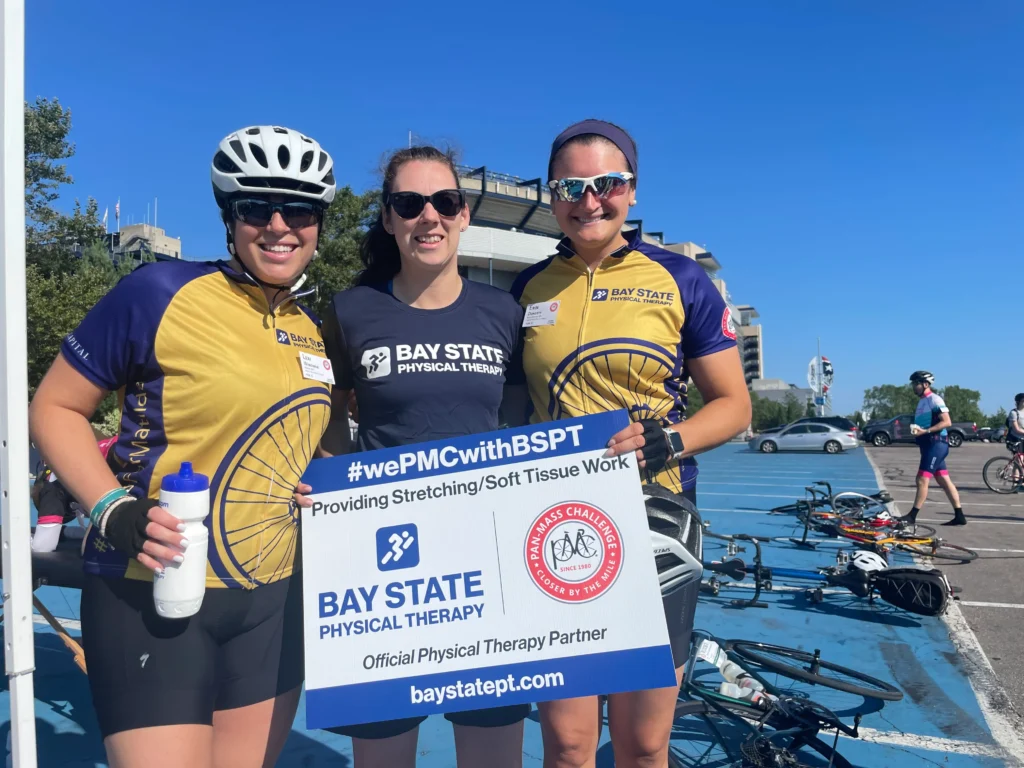
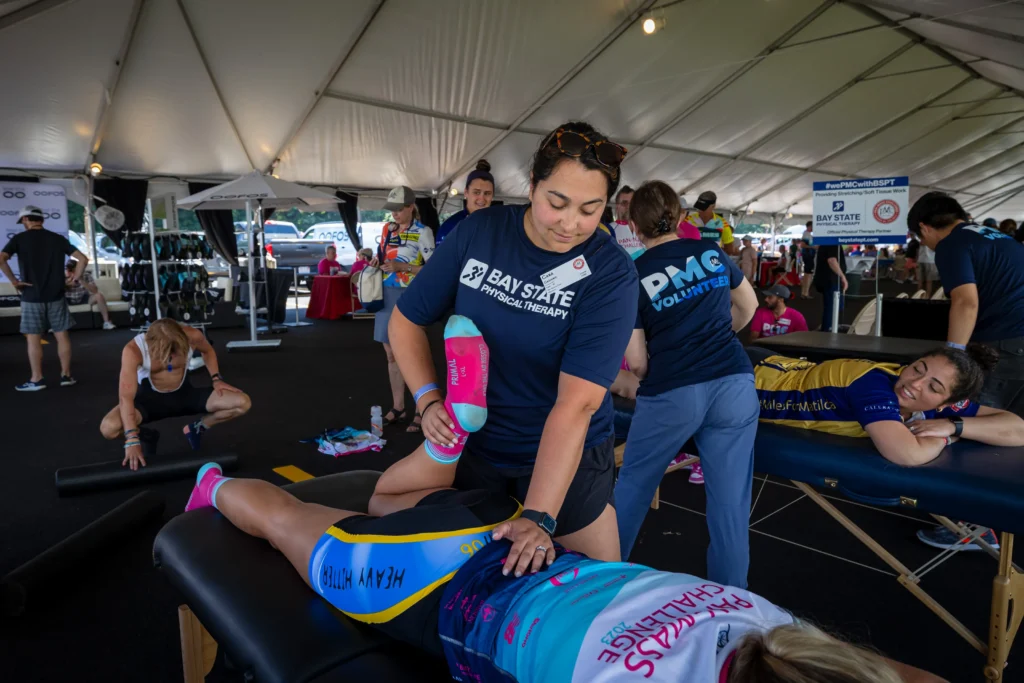
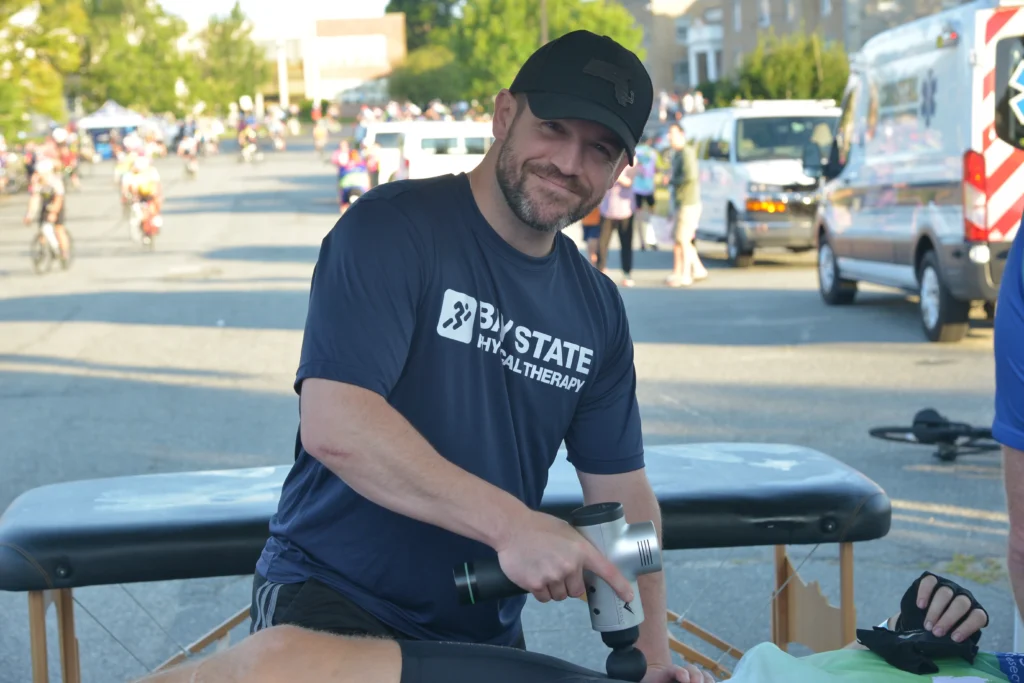
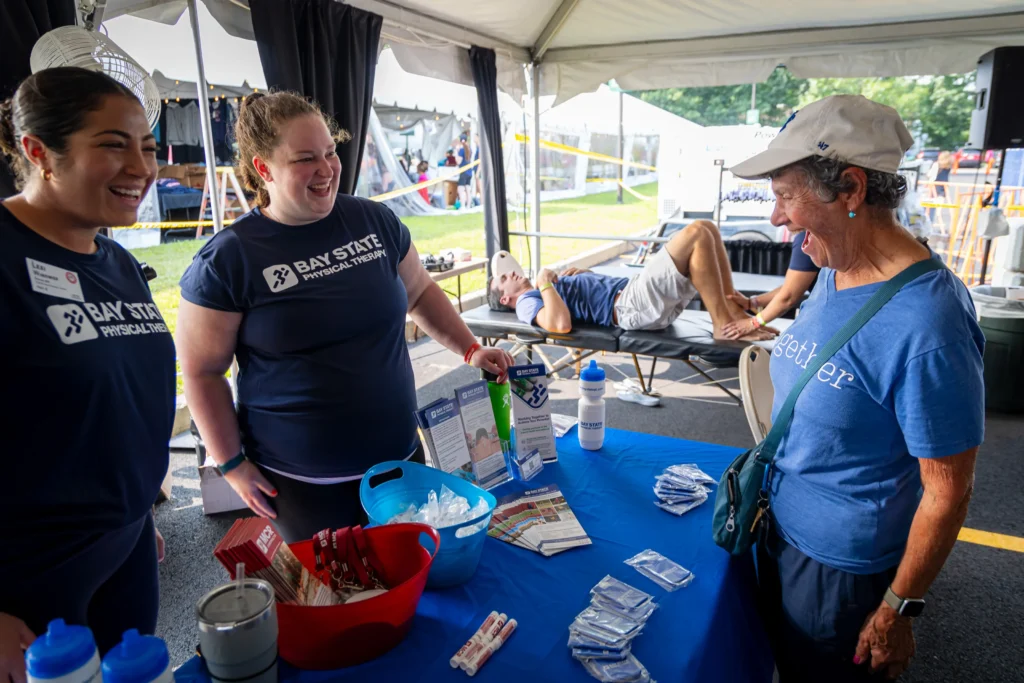
Our 2025 Bay State Physical Therapy Pan-Mass Challenge (‘PMC’) Riding Team consists of a mixture of new and returning individuals who will saddle up on the weekend of August 2nd to ride in honor and memory of friends, family, coworkers, and patients.

“Each year, our Pan-Mass Challenge team grows stronger, not just in numbers, but in heart. The 2025 Bay State Physical Therapy PMC Riding Team represents the very best of who we are: committed professionals, compassionate caregivers, and proud community members riding for a cause that touches us all. I’m inspired by their dedication, and I’m honored that our organization continues to support Dana-Farber and the Jimmy Fund in the fight against cancer.
But this ride isn’t just about the miles, it’s about the people. I want to thank all the incredible volunteers and especially recognize those from our clinics and corporate team. Thank you for donating your time, energy, and expertise to support riders and cheer on this mission. Your efforts are essential to our success and deeply appreciated.
I must also thank our corporate sponsors, including Calera Capital, Core Medical Group, McGuire Woods, Alera Group, and Raintree, for supporting our fundraising efforts and standing with us in the fight against cancer. Together, with every rider, volunteer, and supporter, we move closer to a world without cancer.”


Erin Doherty: Senior Marketing Manager at Cypress Health Partners Corporate Resource Center
“I’ve been with Cypress Health Partners for over eight years and have had the privilege of supporting our PMC efforts since the beginning—first through volunteer coordination, and for the past six years as a rider and co-captain. This will be my fifth year riding, and I’m especially excited to finish in Provincetown with our largest team yet. I ride to give back and to raise critical funds for Dana-Farber. Our biggest ‘why’ as a team is our pedal partner, Celia—she’s in remission and doing incredibly well, and she reminds us all why this ride matters.”

Lexi Windwer, PT, DPT: Managing Partner and Physical Therapist at Bay State Physical Therapy – Braintree
“I’ve been a physical therapist for six years and this will be my sixth Pan-Mass Challenge. One of the most rewarding parts of my job is helping patients return to the activities they love. I’ve been honored to treat our pedal partner, Celia, who was diagnosed with cancer at a young age and is now doing incredibly well. I ride for Celia and others like her affected by cancer. I ride because I believe we can make a difference! I’m proud to be part of the PMC mission!”

Nick Rajotte, PT, DPT: Physical Therapist at Bay State Physical Therapy – Braintree
“I ride for our pedal partner Celia! I’ve had the pleasure of working with Celia for many years, and the progress she has made is a constant reminder about how important PMC is in helping children, like her, grow up to live happy and healthy lives. This is my third year riding the PMC, and each year reminds me how powerful connection can be. As a physical therapist, I build strong relationships with my patients, and the PMC community is no different. From inspiring stories to unexpected moments of connection, this ride changes lives in more ways than one.”

Taylor Hubert, Second year rider on the Bay State Physical Therapy PMC Riding Team
“This will be my second year riding in the Pan-Mass Challenge on the Bay State PT Riding Team alongside my boyfriend, Nick! I’m dedicating my ride to everyone impacted by cancer, especially my Uncle Tommy, who passed away at just 22 from leukemia. My mom, who runs marathons in his memory, once told me: ‘The pain he endured will never come close to the temporary pain you’ll feel during the ride.’ That’s stayed with me. I’m honored to ride in his memory and to support a cause that brings hope to so many.”
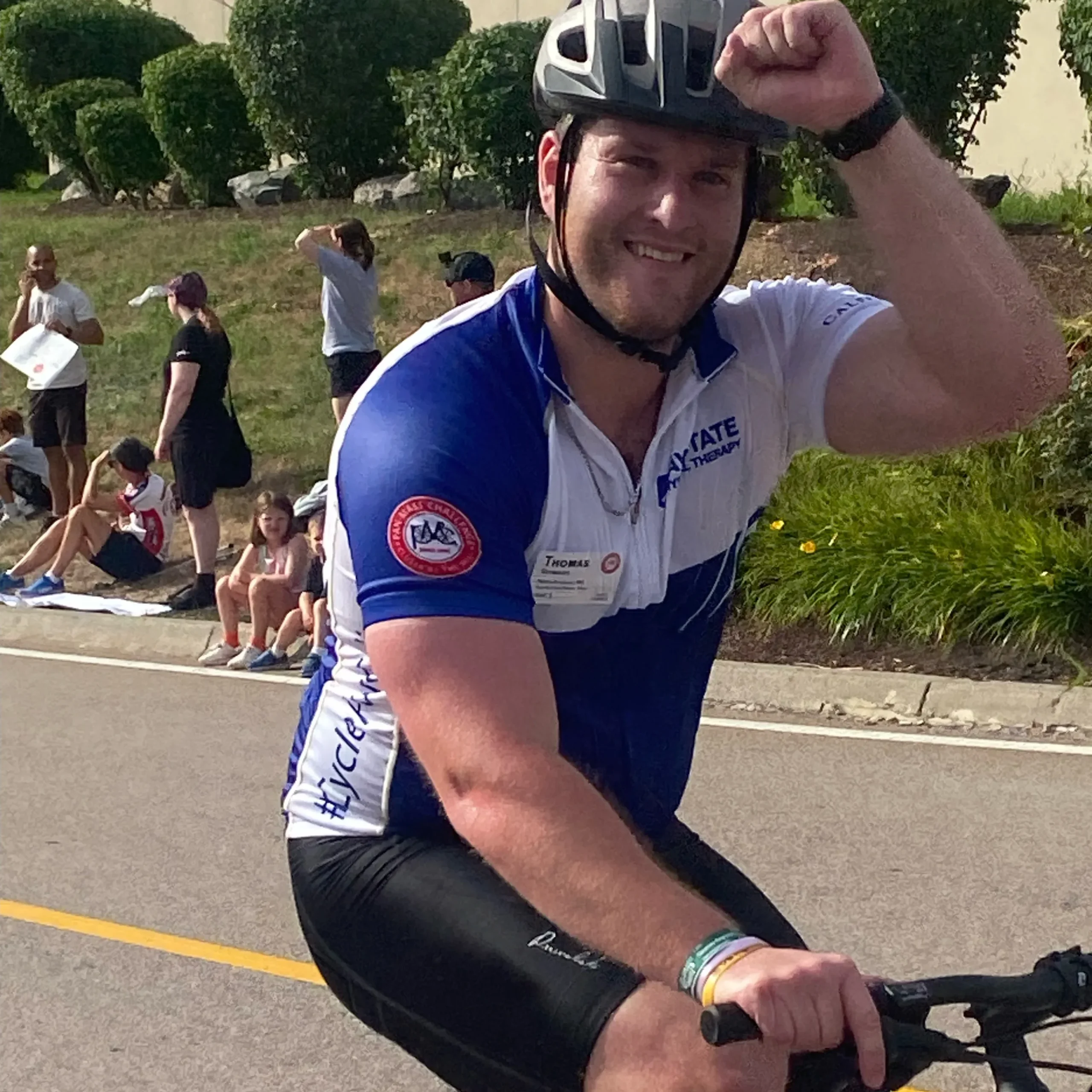
Thomas Reynolds, PT, DPT: Physical Therapist at Bay State Physical Therapy – Stoughton – Washington St.
“I’m a senior physical therapist at our Stoughton – Washington Street clinic, and this is my second year riding with the PMC team. My journey with the company started as a rehab aide before becoming a PT, and riding the PMC is deeply personal for me. I have firsthand experience with Dana-Farber and have seen the incredible work they do every day. This ride is my way of giving back for those who can’t, and for those who will need support in the future.”

Steve Windwer, DC, PT: Founder & Executive Chairman of Bay State Physical Therapy
“I founded Bay State Physical Therapy and MVPT Physical Therapy nearly 35 years ago with a passion for helping people live healthier lives without relying on surgery or medication. That same belief drives me every day—and it’s a big part of why I’m proud to join the PMC riding team this year. This will be my first time riding, and while 50 miles feels daunting, I’m excited to take on the challenge. A very close friend of mine was recently diagnosed with multiple myeloma, and this ride is a small way I can support him and contribute to something bigger. I’m inspired by our incredible team and grateful to be part of this cause.”

Peter Zhao, PTA: Physical Therapist Assistant at Bay State Physical Therapy – Newton
“I’ve been with the company since 2017 and have volunteered for the Pan-Mass Challenge since 2019, but this is my first year riding. Over the years, I’ve seen just how personal cancer is. Whether it’s a family member, friend, coworker, or even yourself, cancer touches us all. I’m proud to be part of this incredible community fighting back.”
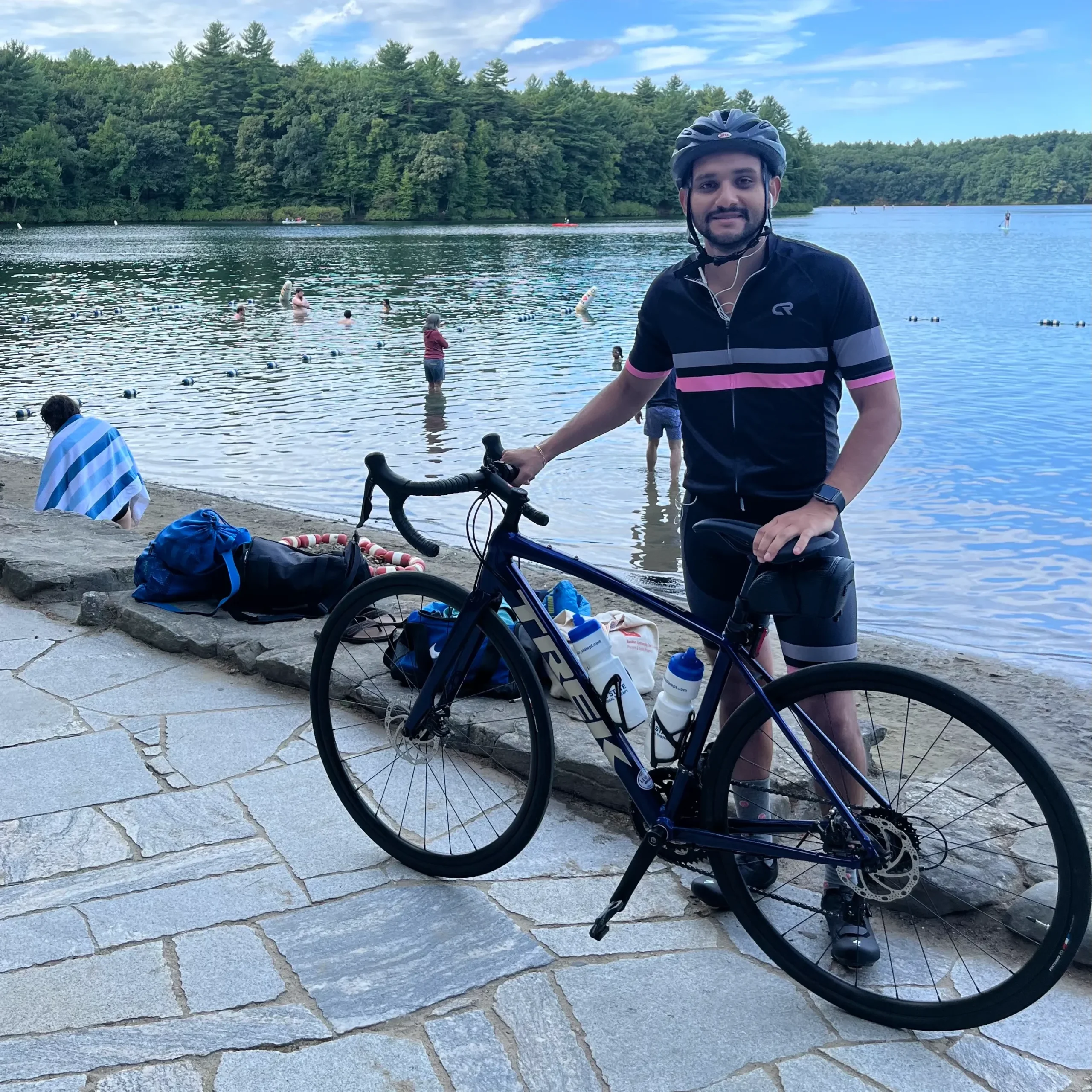
Nestor Canenguez Soto, PT, DPT: Lead Physical Therapist at Bay State PT – Cambridge -Central Square
“One of the most rewarding parts of being a physical therapist is helping patients return to the activities they love. There’s nothing better than hearing someone say, ‘I never thought I’d be able to do that again.’ This year, I’m proud to take on my very first Pan-Mass Challenge. The cause is deeply personal to me—my mom is a cancer survivor, and her journey was made possible by the advancements in cancer research and treatment supported by fundraising efforts like the PMC. I’m honored to ride in support of this mission and to do my part in the fight for a cure.”
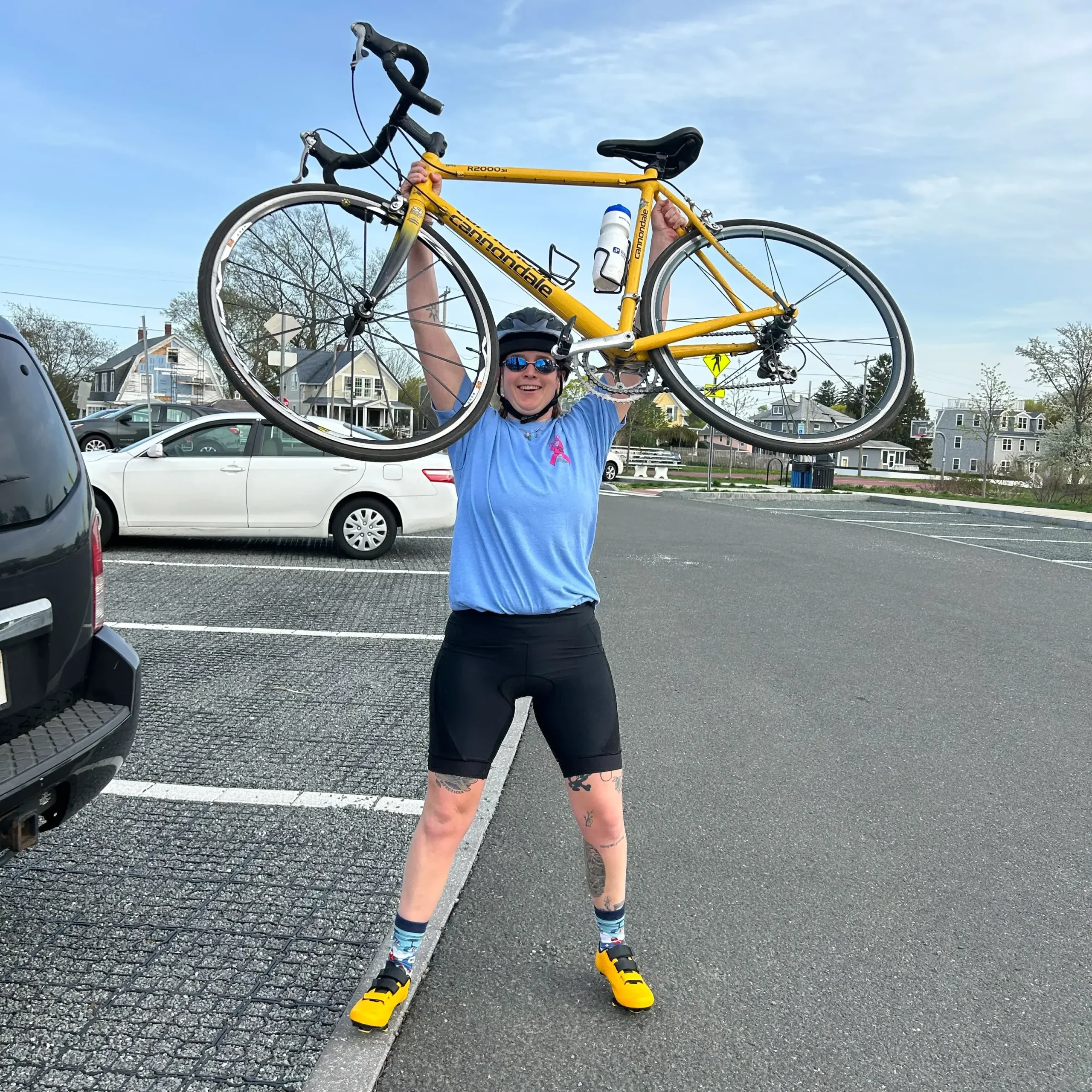
Emily Stephenson OTR/L, MSOT, Occupational Therapist at Bay State Physical Therapy – Swampscott
“I have been with Bay State Physical Therapy for almost a year and this is my first time participating in the PMC! I am riding for my mother who has fought and beat cancer twice, as well as many other loved ones who have both won and lost their battles. I also ride for all others who have been impacted by this disease and hope to progress research, treatment advancement and eventually a cure so that we no longer have to endure this illness or lose the ones we love.”
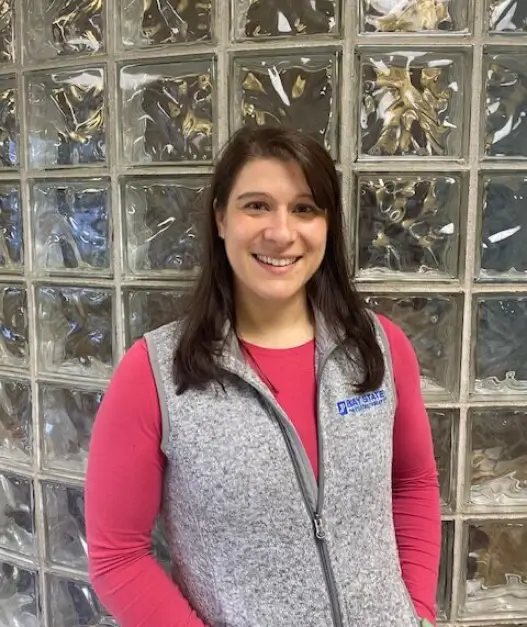
Kristen Paul, PT, DPT: Clinic Manager at Bay State Physical Therapy – North Attleboro
“This is my first time riding in the Pan-Mass Challenge, and my first bike ride of any kind! I’m inspired by the strength of the human body and spirit, and I’ve seen firsthand how people can rebuild after hitting their lowest point. That resilience is what drives me as a physical therapist, and it’s what I’m carrying with me as I ride for my family, friends, and everyone facing a battle of their own. The miles may be tough, but they’re nothing compared to the fight so many people are in every day.”

Justine O’Hara, PT, DPT: Senior Physical Therapist at Bay State Physical Therapy – Taunton -Dean St.
“I am riding the Pan-Mass Challenge to combine my passion for cycling with a mission that matters – supporting those battling cancer. This is my first year riding, and I am excited to be part of an incredible community. I ride for the camaraderie, the cause and the hope that together, we can make a difference.”

Mark Marvel, First Year Rider and Spouse of Justine O’Hara
“My wife and I have been riding together for years. Justine has been with Bay State for 1 year, and we felt like this would be a great opportunity to help raise money for patients with cancer and cancer research. I have had a few good friends lose their lives to cancer, and I’m riding for them.”



Summer is the season when many of us hit the golf course and discover that our golf clubs aren’t the only thing that worked better last year. For all its leisurely hype, golf is still a very athletic activity. It doesn’t take much more than a bucket of golf balls to cause a sharp twinge of pain in our backs. It also quickly reminds us of the forgotten off-season conditioning program we promised to begin when the last golf season ended.
Whether you’re an avid golfer or someone who’d be better served to stick to putt-putt, optimal health and mobility can improve your performance and limit the likelihood of injury. You may be surprised to learn that a physical therapist can help you strike the ball at your best.
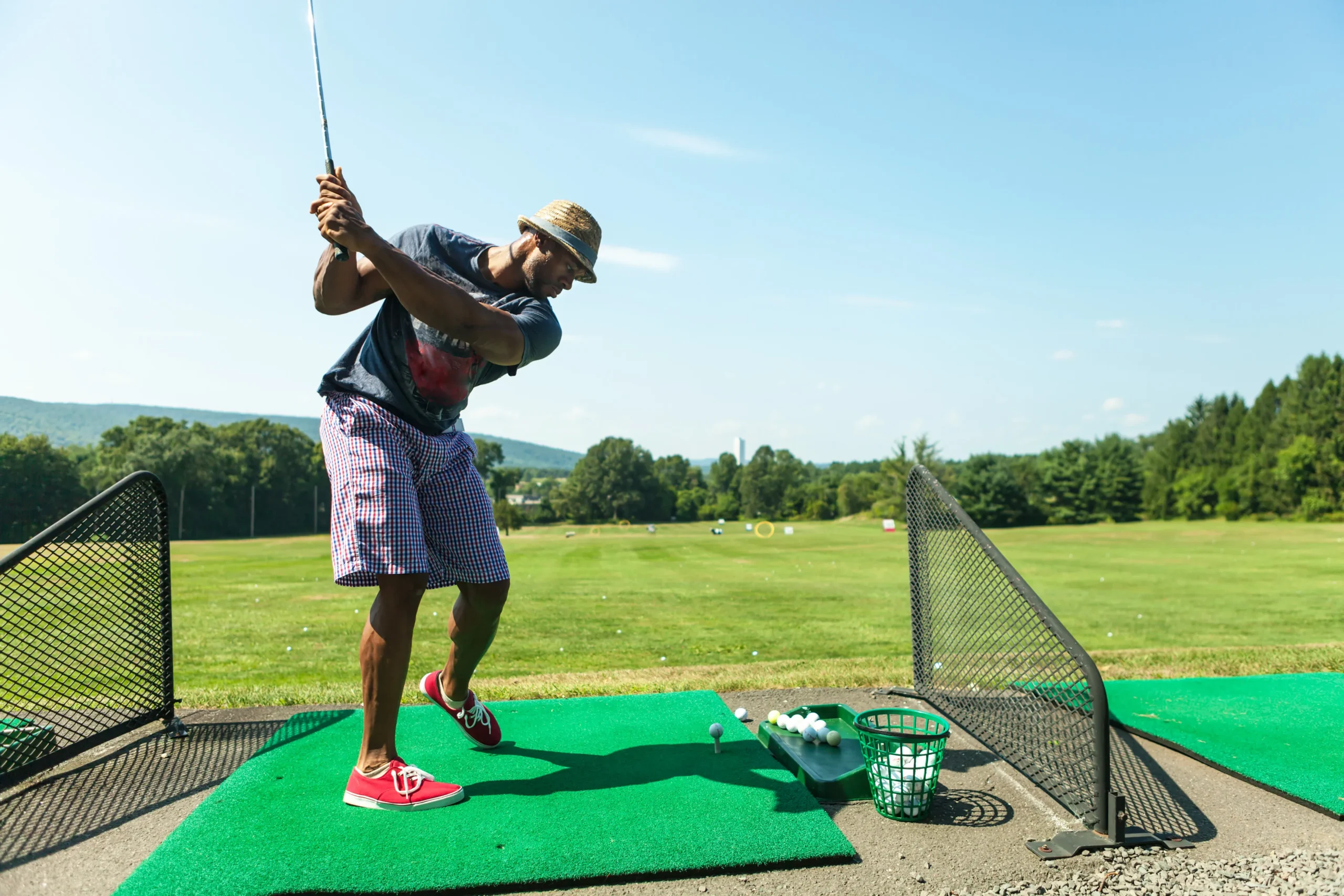
We work with golfers of all ages and abilities. With our expertise in the musculoskeletal system, we understand the unique stresses on the body and the mechanics needed for a successful swing. As experts in injury prevention, we can assess each golfer’s mobility to help them perform at a high level while avoiding injuries and pain.
Here are some tips to lower your risk of injury this golf season:
Warm-Up: Golf requires a rotational swing that generates club-head speed. The muscle contractions that create this swing culminate in the ideal ball strike and trajectory off the club. Limitations in joint mobility can negatively impact swing mechanics, shot distance, and accuracy. Lack of flexibility can also lead to muscle injury. Always take at least 10 to 15 minutes to prepare your body for golf with minor exercises such as jogging, ab exercises, or light stretching.
Address Your Aches & Pains: According to research, nearly 7 in 10 amateur golfers and 9 in 10 professional golfers will suffer a golf-related injury at least once in their lifetime. That means you should prioritize your health and address those nagging pains quickly. The longer you wait, the longer the recovery can last. If you’re experiencing any aches or pains, seek treatment from your physical therapist.

Walk the Golf Course: Walking the golf course offers many health benefits. It allows you to stay warmed up and the physical demands of walking can help you build and maintain strength and endurance, which benefits your heart health. Fun fact: The distance walked for 18 holes is usually five to seven miles!
Footwear Matters: You invest in your clubs and have your favorite brand of ball, but what about those golf shoes? You won’t find a professional golfer wearing ill-fitting, slippery shoes, so why would you? Your feet are the foundation of your swing, so choose a quality golf shoe that provides grip, traction, alignment, and stability. Since we’ve already talked about the benefits of walking, be sure they’re comfortable and offer good arch support too!
Equipment is Key: Improperly fitted equipment can lead to poor performance, posture, and mechanics. Whether you’re thinking of playing golf for the first time or are a seasoned professional, choosing the right clubs is key to performance and safety. Based on your height, body type, and physical strength, a professional fitting might be right for you.
Don’t Have a Pull Cart? Carry Your Bag Properly: The average golf bag loaded with golf balls, clubs, and rain gear weighs approximately 30 pounds. So, if you’re carrying that bag for 18 holes, take the time and effort to carry it correctly by following these tips:
A professional physical therapist, that is! Working with a professional who understands the physical demands of the sport as well as your limitations and previous injuries makes perfect sense! Many golfers wouldn’t hesitate to work with a golf pro, so why not work with a physical therapist to prepare your body for the perfect game?
Golf requires a lot of time, effort, skill, and physical endurance. The explosive nature of the swing can put a tremendous amount of stress on your muscles and joints. You don’t have to be a professional to experience some of the most common injuries in golf. With help from your physical therapist, many of these injuries can be prevented.

Titleist Performance Institute Certified, Level 1
Physical Therapist and Managing Partner at Bay State Physical Therapy – West Warwick (RI)
“As a golfer myself, I cannot stress enough the importance of prioritizing an adequate warm-up at the range or the first tee box before you hit that first drive. No matter how long your commute to the course takes, you’re typically sitting (in a car, for example) leading up to hitting your first tee shot. For this reason, it is essential to perform a few specific movements to get your body ready to play golf. This routine is not just a formality but a crucial step in preparing your body for the physical demands of golf.
No matter your skill level, when you are on the course, you are an athlete who needs this as much as any PGA or LPGA superstar! As a physical therapist who is also Titleist Performance Institute (TPI) Level 1 certified, my message is not to ignore pain. Do not let your painful “whispers” become “SCREAMS.” If you are feeling any aches or pains before, during, or after you play golf, seek treatment from a physical therapist.
As your physical therapist, I can be as invaluable as your golf pro. Physical therapists are medical professionals who understand the physical demands of golf and can help tailor your plan of care to maximize your strength, stability, and mobility. Working together, we can improve your function and performance on the golf course.”
Getting started is a click away. Contact your nearest MVPT Physical Therapy office to schedule your evaluation!

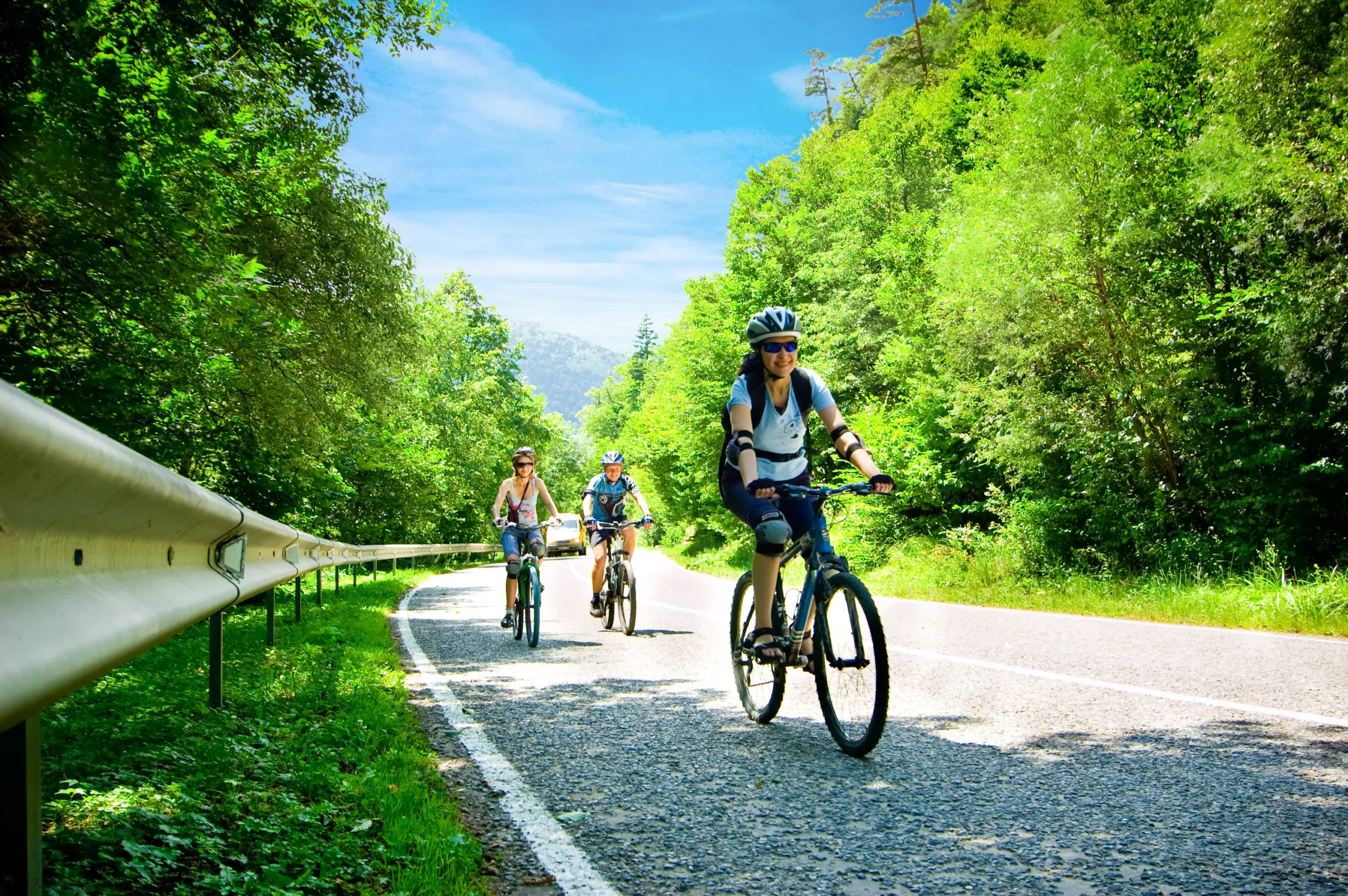

As we roll through these summer months, it’s more important than ever to achieve ideal health. One way to do that is by increasing your aerobic activity level with one of America’s favorite means of transportation and exercise—biking! Whether you’re cruising on a nearby path or climbing hills on the stationary bike, we must consider how to best prepare our bodies for the activity ahead. Some of the most common cycling injuries include knee, neck, or back pain, and wrist and forearm pain or numbness. To make sure we’re ready for the fun-filled months ahead, our bike tips are easy to incorporate into your daily training regimen to keep you riding off into the summer sunset.

Bay State Physical Therapy – Braintree
We’re thrilled to introduce you to Nick Rajotte, PT, DPT of our Bay State Physical Therapy, Braintree office and a member of our Bay State PT PMC Riding Team. 2025 marks Nick’s third year riding in the Pan-Mass Challenge! When asked what he enjoys most about training and being on our PMC riding team, Nick shared, “It’s amazing to see our Bay State Physical Therapy employees come together as riders, volunteers, and supporters of this great cause. Everyone on the team is so passionate and devoted to raising money for such an amazing cause. I truly enjoy being a part of the team, and the support we are shown by colleagues, patients, and community members is amazing. It’s especially nice to meet so many nice people that normally I wouldn’t cross paths with.” What is Nick most looking forward to during the PMC weekend? “I am looking forward to meeting other riders, hearing their stories, and sharing the road to help each other accomplish a bike ride that is much bigger than the time and energy required to cross the finish line.” To support Nick on his fundraising efforts, click here.
We recommend trying these bike tips in a safe and comfortable setting. Check with your physical therapist if you have any questions or concerns when performing these exercises.


While riding your bike, it’s extremely important to keep an eye on the road ahead. Aside from an improper handlebar position, posture is often a culprit of neck pain. As we fatigue on the bike and lose awareness of our posture, our head falls into an excessively extended position. Maintaining this position over time leads to increased muscle tension and joint stiffness through our cervical spine. Below is an exercise to address the strength of our deep neck flexors (the muscles responsible for maintaining a neutral cervical spine). Lie on your back and face the ceiling, then:
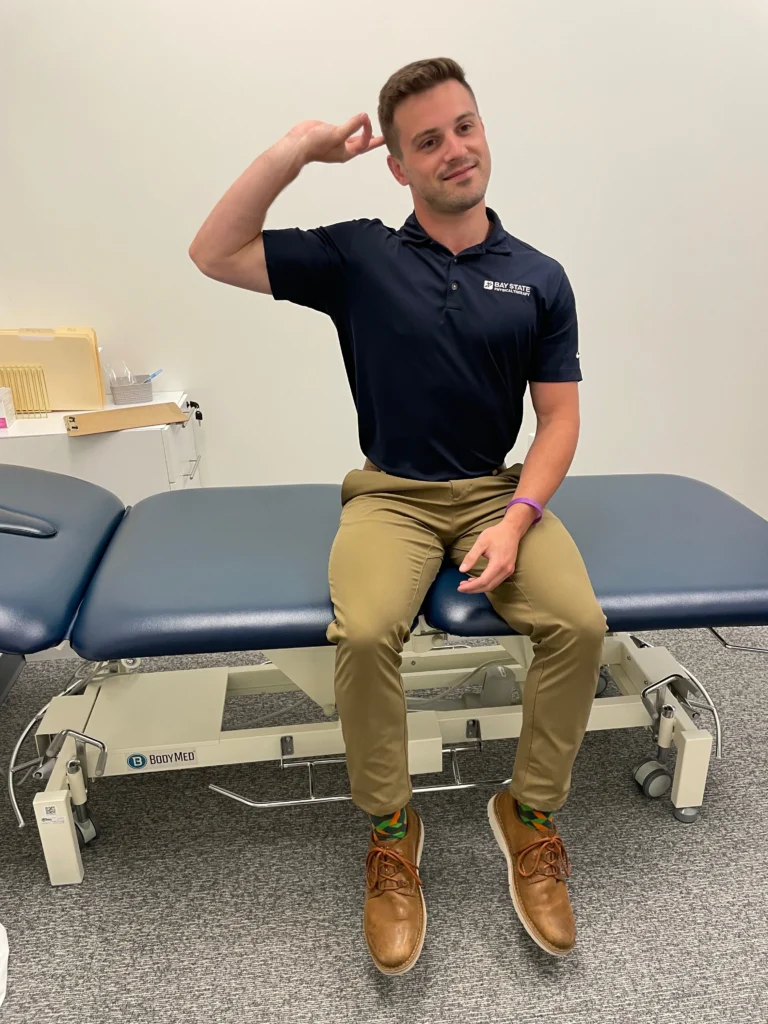
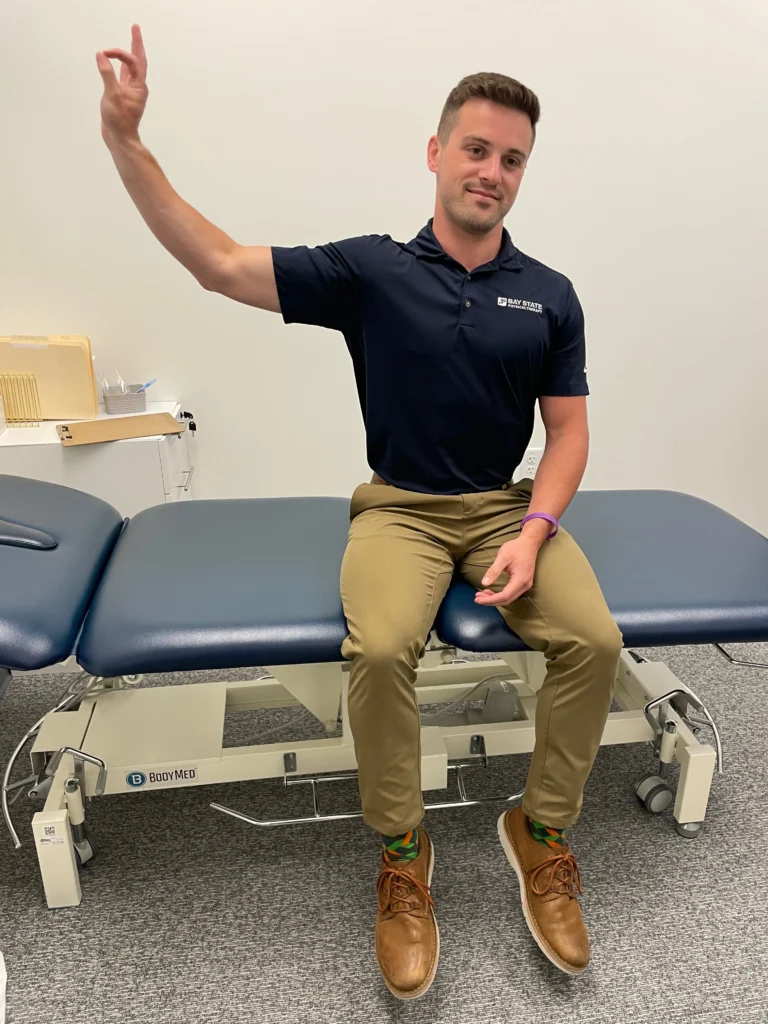
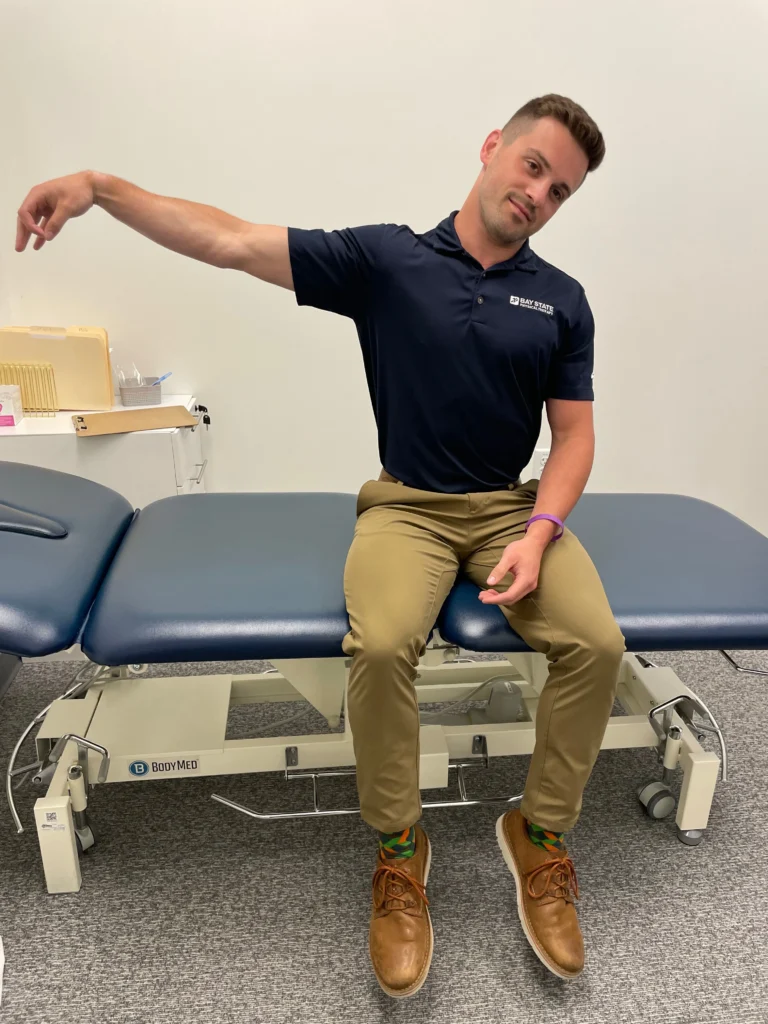
With the proper setup of the bike, riders should be positioned with the elbows slightly bent and wrists in a neutral position. The elbows are particularly important for absorbing force through the handlebars. For those riders who experience wrist pain or numbness, it’s critical to position your bike correctly. With our biking posture and hand position, our ulnar nerve is at particular risk of irritation, because it passes from our neck down to our pinky and ring fingers. To avoid injury in this area, perform the nerve-glide stretch listed below. This stretch is designed to provide moderate tension through the forearm and fingertips but shouldn’t be painful at any time. Reduce the intensity of the stretch if painful.
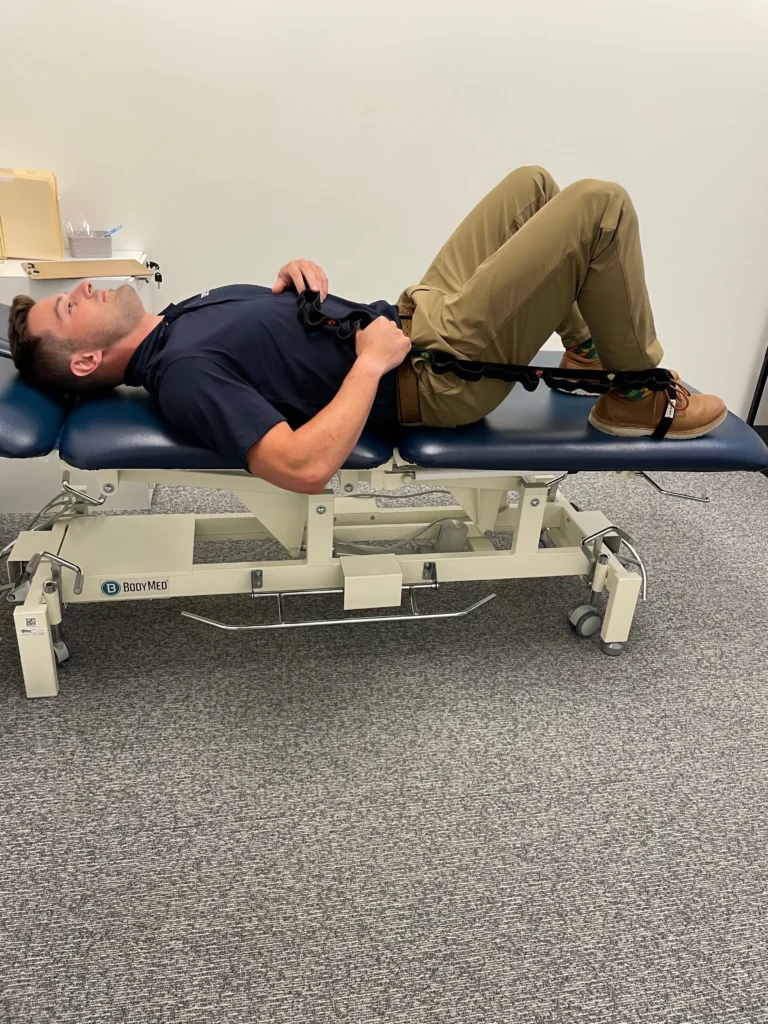
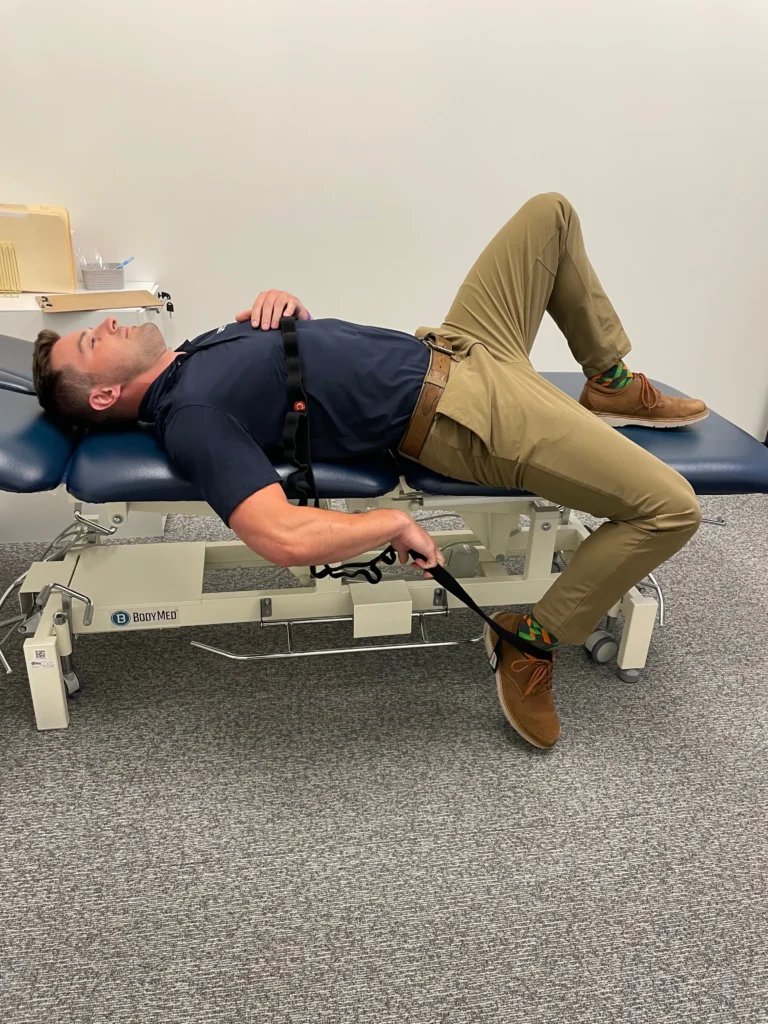
The knee is the most common site for overuse injuries in cyclists. Because of the repetitive nature of biking, our knees can become an area of concern. To maximize our knee health, we must consider an appropriate seat height. Proper seat height includes having roughly a 25-35° knee bend while at the bottom of a pedal stroke. Often, knee pain related to biking is caused by muscular tightness as the muscles are stressed. Being in a seated position leads to increased hip flexor and quadriceps tightness, which can cause abnormal stress through the knee joint.
Although these bike tips are designed to reduce risk of injuries related to cycling, it’s important to consult with your physical therapist to develop a comprehensive plan of care. Physical therapists are professionally qualified to address musculoskeletal concerns while optimizing a patient’s ability to return to their favorite activities.
If pain or injury limits your ability to achieve your optimal health, call your nearest MVPT Physical Therapy location to schedule an evaluation!